
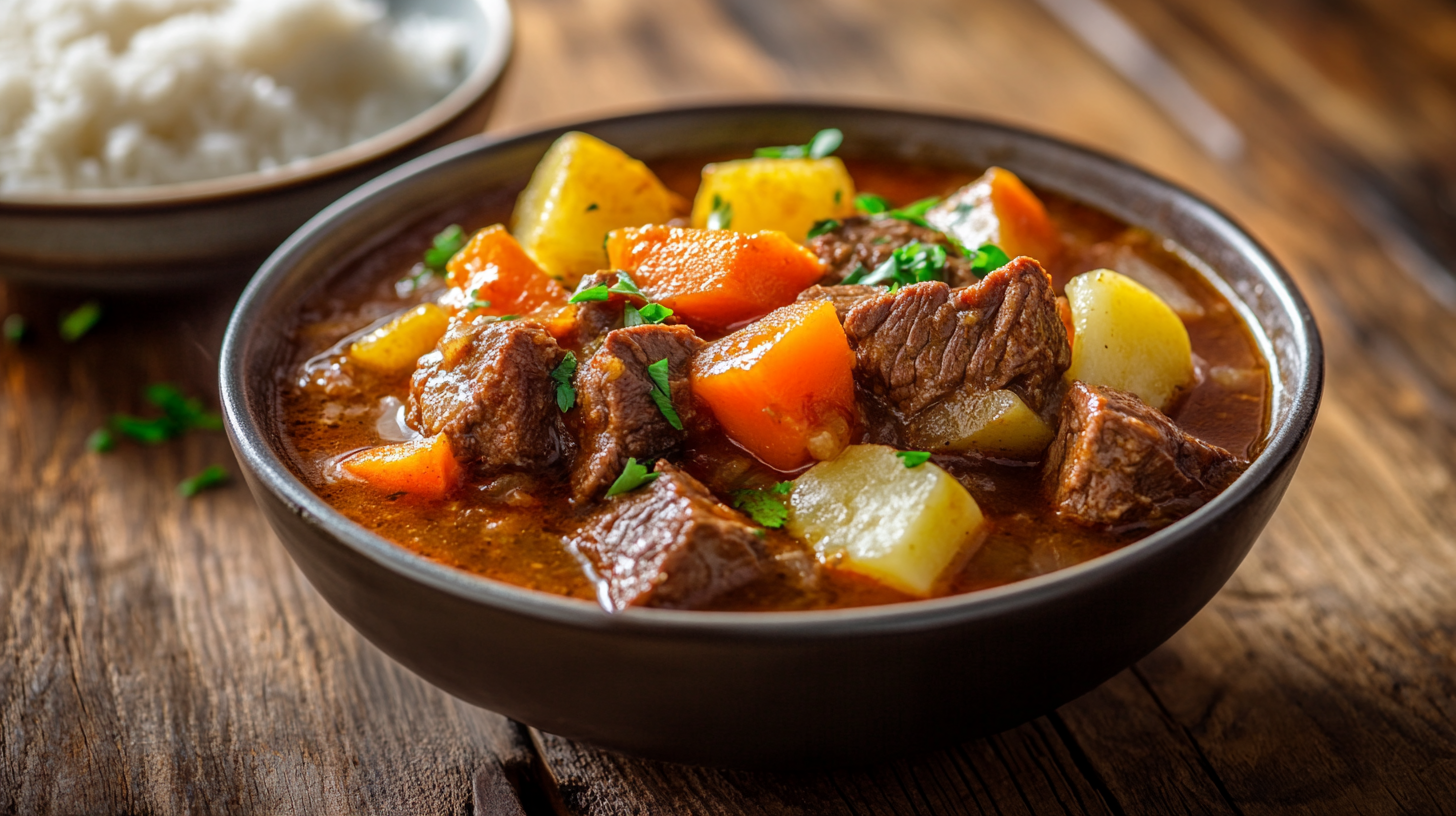

Hawaiian Beef Stew is a warm and comforting dish that’s deeply rooted in island cuisine. Unlike traditional beef stews, this version features a rich, tomato-based broth, tender chunks of beef, and vibrant vegetables, all simmered to perfection. It’s a dish loved by locals and visitors alike, often enjoyed with a big scoop of rice.
But what makes Hawaiian Beef Stew so special? In this guide, I’ll take you through its history, essential ingredients, step-by-step cooking instructions, and expert tips to make the best version at home. Whether you’re new to this dish or looking to perfect your recipe, this article has everything you need!
What Makes Hawaiian Beef Stew Special?
Hawaiian Beef Stew is not your average beef stew. While many Western beef stews use a thick brown gravy, this island favorite is tomato-based, slightly sweet, and ultra-comforting. It’s hearty, packed with flavors, and often served with white rice instead of bread or mashed potatoes.
The Origins of Hawaiian Beef Stew
Hawaiian Beef Stew, or “local-style beef stew,” traces its roots to the plantation era in Hawaii. Immigrant workers from Portugal, the Philippines, Japan, and China brought their cooking styles, and over time, they influenced Hawaiian cuisine. The idea of a tomato-based stew likely came from Portuguese and Filipino influences, blending with the abundance of local ingredients.
Today, you’ll find this dish at home kitchens, local diners, and Hawaiian plate lunch spots across the islands. It’s a staple comfort food that brings families together, often cooked in large batches and enjoyed over multiple meals.
How Hawaiian Beef Stew Differs from Traditional Beef Stew
Wondering what makes Hawaiian Beef Stew unique compared to classic beef stew recipes? Here are the key differences:
- Tomato-based broth: Unlike thick brown gravy, Hawaiian beef stew has a rich, slightly tangy tomato base.
- Simpler seasoning: Traditional beef stew often uses wine, Worcestershire sauce, or complex spices, but Hawaiian Beef Stew relies on salt, pepper, bay leaves, and sometimes soy sauce.
- Rice pairing: Instead of being served with bread or potatoes, Hawaiian Beef Stew is always served over rice, soaking up all the delicious sauce.
- Island-style vegetables: Many versions include carrots, celery, onions, potatoes, and sometimes cabbage or bell peppers for extra flavor.
Essential Ingredients for Authentic Hawaiian Beef Stew
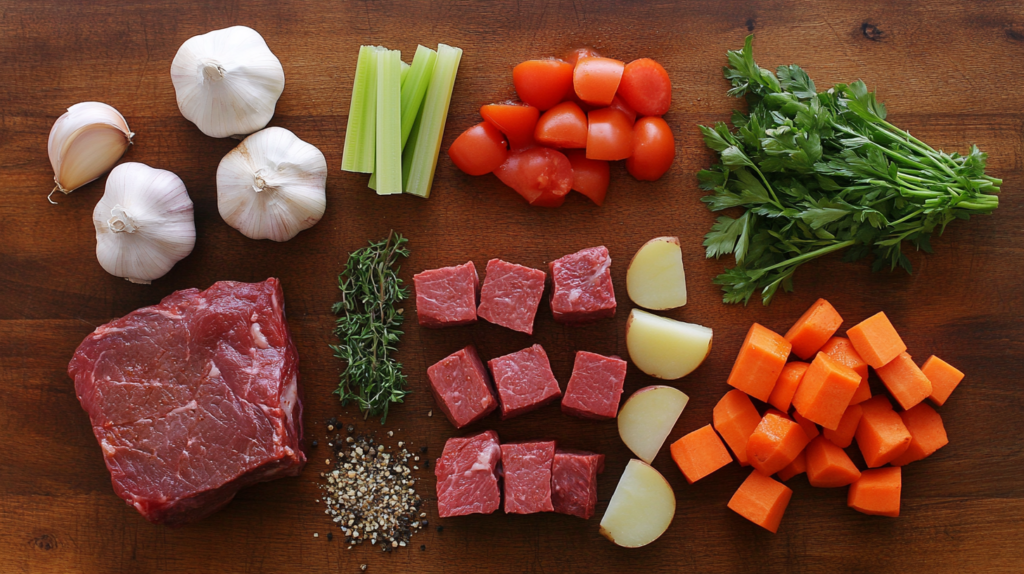
To make an authentic Hawaiian Beef Stew, you’ll need a few simple but important ingredients.
Choosing the Right Cut of Beef for Tender Results
The best cut of beef for this stew is:
- Chuck roast – Affordable, well-marbled, and tender when slow-cooked.
- Beef brisket – Rich and flavorful but takes longer to break down.
- Short ribs (boneless or bone-in) – Adds extra depth of flavor, but can be pricier.
Pro Tip: Cut the beef into large, bite-sized chunks so it doesn’t overcook and fall apart too quickly.
The Role of Tomatoes in Hawaiian Beef Stew
The tomato-based broth is what sets this stew apart. You’ll need:
- Canned diced tomatoes – Provides a deep tomato flavor.
- Tomato paste – Helps thicken and intensify the broth.
- Tomato sauce – Smooths out the texture and adds a slight sweetness.
Fresh vs. Frozen Vegetables: What Works Best?
- Fresh carrots, celery, and potatoes work best for texture and flavor.
- Frozen peas or corn can be added at the end for extra sweetness.
- Bell peppers or cabbage (optional) can add a unique twist.
Pro Tip: Avoid overloading the stew with too many vegetables, as it can make the broth too thick.
Step-by-Step Guide to Making Hawaiian Beef Stew
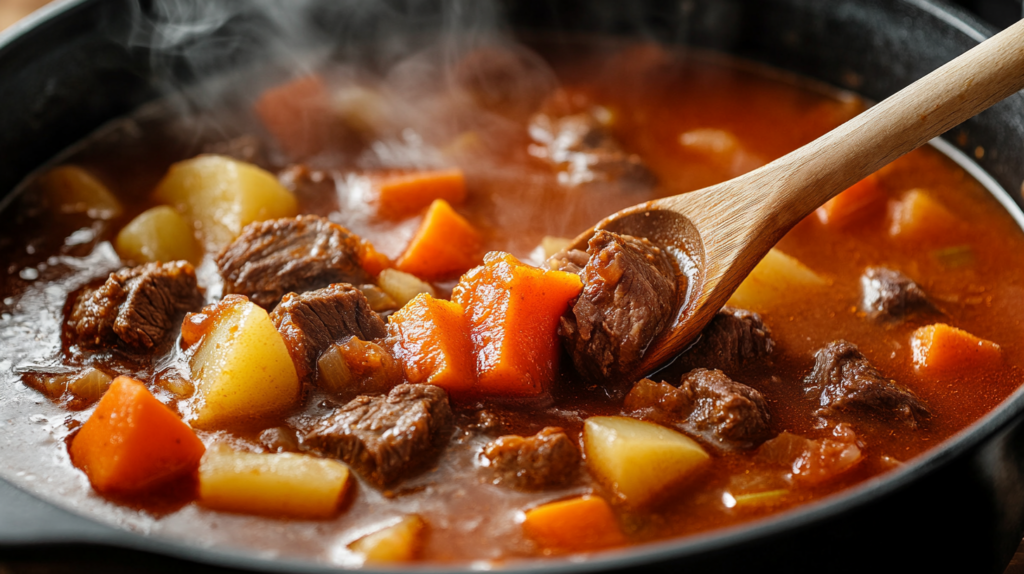
Now that we’ve covered what makes Hawaiian Beef Stew special, let’s get into the actual cooking process. This dish is easy to make but requires some patience to get the beef fall-apart tender and the flavors perfectly blended.
Ingredients You’ll Need
For the Stew:
- 2 lbs chuck roast, cut into 2-inch cubes
- 2 tbsp vegetable oil
- 1 medium onion, chopped
- 3 cloves garlic, minced
- 2 tbsp tomato paste
- 1 can (14.5 oz) diced tomatoes
- 1 can (8 oz) tomato sauce
- 4 cups beef broth
- 2 medium carrots, peeled and chopped
- 3 medium potatoes, peeled and cut into chunks
- 2 stalks celery, chopped
- 1 tbsp soy sauce (optional, for umami)
- 1 tsp salt (adjust to taste)
- 1/2 tsp black pepper
- 2 bay leaves
- 1 tsp paprika (optional, for added depth)
For Serving:
- 4 cups white rice, cooked
Step 1: Preparing the Beef for Maximum Flavor
- Trim excess fat from the beef and cut it into large bite-sized cubes.
- Season lightly with salt and pepper. Let it rest for 10-15 minutes to absorb the seasoning.
- Heat 2 tbsp of vegetable oil in a large heavy-bottomed pot (like a Dutch oven) over medium-high heat.
- Sear the beef in batches, browning each side for 2-3 minutes. Don’t overcrowd the pot—this step is key for a rich, deep flavor.
- Remove the beef from the pot and set aside.
Pro Tip: Browning the meat properly gives the stew a deep, umami-packed base.
Step 2: Building the Stew Base
- In the same pot, add the chopped onions and sauté for 2 minutes until slightly softened.
- Add the garlic and stir for 30 seconds until fragrant.
- Stir in tomato paste and let it cook for 1 minute to remove the raw taste.
- Pour in the diced tomatoes, tomato sauce, and beef broth, scraping up any browned bits from the bottom.
Step 3: Slow Simmering for the Perfect Stew
- Return the seared beef to the pot.
- Add bay leaves, soy sauce (if using), paprika, salt, and black pepper.
- Bring the stew to a gentle boil, then reduce the heat to low and cover.
- Simmer for 1.5 to 2 hours, stirring occasionally, until the beef is tender.
Pro Tip: For even deeper flavor, let the stew simmer for 3 hours on very low heat!
Step 4: Adding the Vegetables at the Right Time
- After 90 minutes of simmering, add carrots, potatoes, and celery.
- Continue cooking for another 30-40 minutes, or until the vegetables are fork-tender.
- Taste and adjust seasoning, adding more salt and pepper if needed.
Step 5: Serving the Stew Island-Style
- Remove the bay leaves and discard.
- Serve hot over a bowl of white rice, letting the rice soak up the rich, tomatoey broth.
- Garnish with chopped parsley or green onions (optional).
Enjoy a warm, comforting bowl of Hawaiian Beef Stew!
Alternative Cooking Methods
Instant Pot Hawaiian Beef Stew (Faster Cooking)
- Sear the beef using the Sauté function.
- Follow Steps 2-3 but reduce the broth to 3 cups.
- Pressure cook on High for 35 minutes.
- Quick-release, then add the vegetables.
- Pressure cook for another 5 minutes, then let it sit for 10 minutes before opening.
Slow Cooker Hawaiian Beef Stew (Set and Forget)
- Brown the beef first for extra flavor.
- Add everything except the vegetables to the slow cooker.
- Cook on Low for 7-8 hours or High for 4-5 hours.
- Add the vegetables in the last hour of cooking.
Variations of Hawaiian Beef Stew
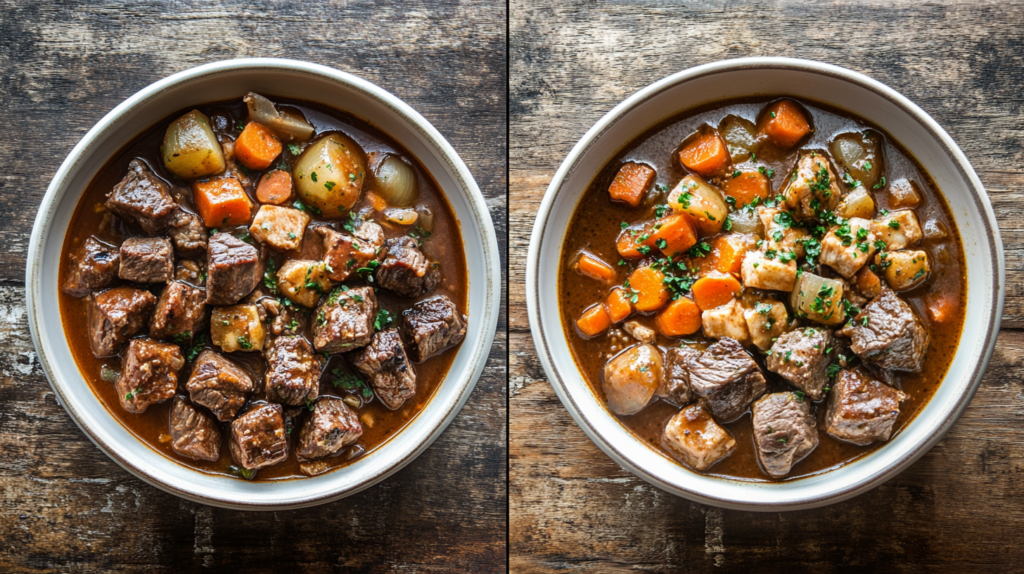
While traditional Hawaiian Beef Stew is already packed with flavor, there are plenty of ways to customize it based on your preferences. Whether you’re looking for a healthier version, a different cooking method, or a creative twist, there’s a variation for you!
Instant Pot vs. Slow Cooker: Which Method is Best?
One of the best things about Hawaiian Beef Stew is its flexibility in cooking methods. Here’s a comparison to help you decide:
| Cooking Method | Pros | Cons |
|---|---|---|
| Stovetop (Traditional) | Rich, deep flavor | Takes the longest (2+ hours) |
| Instant Pot (Pressure Cooker) | Faster (about 45 minutes total) | Slightly different texture |
| Slow Cooker (Crockpot) | Set-and-forget, tender meat | Requires planning ahead (7+ hours) |
Best Choice? If you’re in a hurry, the Instant Pot is great. If you want the most flavorful, fall-apart beef, the slow cooker or stovetop method is best!
Lighter and Healthier Versions of Hawaiian Beef Stew
If you want a healthier take on this dish, here are some easy modifications:
1. Leaner Meat Choices
- Instead of chuck roast, try lean sirloin or beef stew meat with less fat.
- For a low-fat alternative, swap beef for chicken thighs (though it will slightly change the flavor).
2. Reduce the Sodium
- Use low-sodium beef broth and no-salt-added tomatoes to cut back on sodium.
- Swap soy sauce for coconut aminos or a splash of vinegar for a similar umami boost.
3. Make it Low-Carb & Keto-Friendly
- Skip the potatoes and carrots and replace them with daikon radish, cauliflower, or zucchini.
- Serve with cauliflower rice instead of white rice.
4. Increase the Nutrients
- Add more veggies like bell peppers, spinach, or mushrooms for extra vitamins.
- Use grass-fed beef for better quality protein and healthy fats.
Different Meat Choices for a Unique Twist
If you want to switch up the protein, here are some tasty alternatives:
1. Hawaiian Chicken Stew
- Swap beef for chicken thighs or drumsticks.
- Reduce cooking time to 45-60 minutes (stovetop) or 20 minutes (Instant Pot).
2. Hawaiian Venison Stew (Game Meat Option)
- Use venison or elk instead of beef for a leaner but richer taste.
- Marinate the meat in pineapple juice beforehand to tenderize it.
Creative Flavor Twists to Try
Want to add some extra depth to your stew? Try these fun ideas:
1. Hawaiian-Spiced Beef Stew
- Add a dash of cinnamon and nutmeg for a warm, comforting island spice blend.
2. Spicy Hawaiian Beef Stew
- Stir in Hawaiian chili pepper water or red pepper flakes for a spicy kick.
3. Pineapple-Infused Stew
- Add fresh pineapple chunks in the last 10 minutes of cooking for a sweet-savory balance.
4. Coconut-Style Hawaiian Stew
- Stir in ½ cup of coconut milk at the end for a creamy, tropical variation.
Common Mistakes to Avoid When Cooking Hawaiian Beef Stew
Even though Hawaiian Beef Stew is a simple and forgiving dish, a few common mistakes can lead to tough meat, watery broth, or bland flavors. Here’s how to avoid these pitfalls and make the perfect bowl of stew every time!
1. Overcooking vs. Undercooking the Beef
Getting the beef to melt-in-your-mouth tenderness requires proper cooking time.
Mistake: Cooking the beef too fast
- If you cook the stew on high heat or for too short a time, the beef stays tough and chewy.
- Chuck roast and other tough cuts need at least 1.5 to 2 hours of slow cooking to break down properly.
Fix: Slow and low is the way to go
- Simmer the stew gently for 2-3 hours on low heat for best results.
- If using an Instant Pot, cook for 35-40 minutes on high pressure, then let it naturally release.
2. Skipping the Searing Step
Mistake: Throwing raw beef straight into the pot
- This leads to less depth of flavor and a weaker broth.
- The browned bits from searing add richness and umami to the stew.
Fix: Always sear the beef first
- Heat oil in the pot and brown the beef in small batches to avoid steaming.
- Sear until each piece has a deep golden crust, then set it aside before adding other ingredients.
Pro Tip: If you’re using a slow cooker, sear the beef first in a separate pan to enhance flavor!
3. Why Your Stew Might Be Too Watery (And How to Fix It)
Mistake: Not thickening the broth properly
- Hawaiian Beef Stew should have a rich, slightly thick sauce, not a thin, watery broth.
Fix: Let the stew reduce naturally
- Simmer uncovered for the last 20-30 minutes to let excess liquid evaporate.
- Stir in an extra tablespoon of tomato paste to boost thickness.
Alternative Fix:
If the stew is still too thin, mix 1 tbsp cornstarch + 2 tbsp water into a slurry and stir it in at the end.
4. Adding Vegetables Too Early
Mistake: Overcooked, mushy vegetables
- Potatoes, carrots, and celery turn to mush if added too early.
Fix: Add vegetables at the right time
- Root vegetables (potatoes, carrots, celery): Add in the last 40 minutes of simmering.
- More delicate veggies (peas, bell peppers, cabbage): Add in the last 10 minutes so they stay fresh and vibrant.
Pro Tip: If using an Instant Pot, add vegetables after pressure cooking and let them soften in the hot broth for 10 minutes.
5. Not Letting the Flavors Develop
Mistake: Eating the stew too soon
- Hawaiian Beef Stew tastes even better the next day because the flavors blend overnight.
Fix: Let the stew rest before serving
- If possible, make the stew a day ahead and refrigerate overnight.
- Reheat gently on the stovetop for an even richer taste.
Serving and Pairing Hawaiian Beef Stew
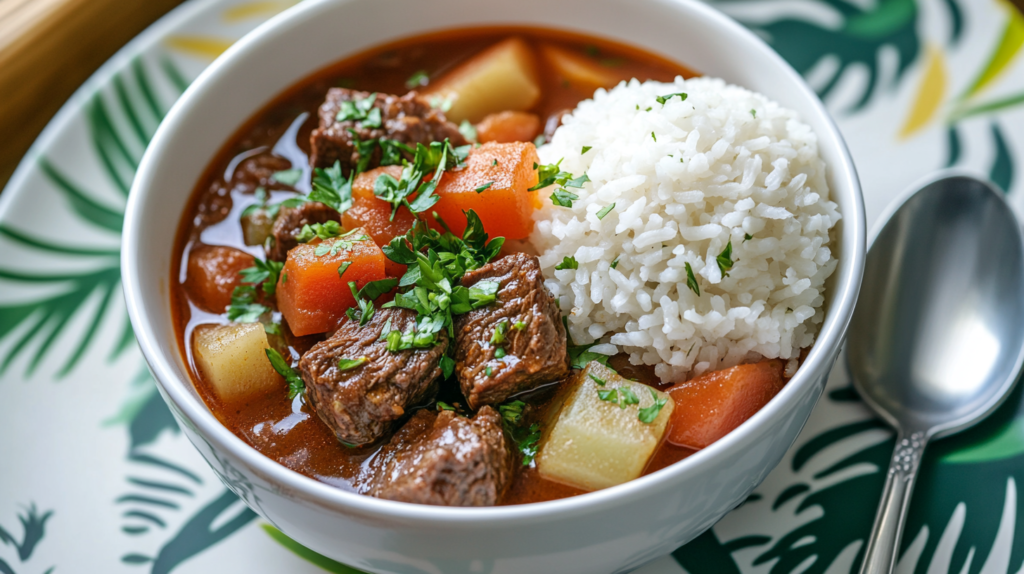
Now that your stew is thick, rich, and flavorful, it’s time to serve it up Hawaiian-style!
1. Best Sides to Serve with Hawaiian Beef Stew
Steamed White Rice (Classic Choice)
- The fluffy rice soaks up all the delicious tomato-based broth.
- A must-have for a true local Hawaiian plate lunch experience.
Hawaiian Sweet Bread
- Adds a slight sweetness that balances the tangy tomato broth.
- Perfect for dipping into the rich stew.
Simple Side Salad
- A light, refreshing salad with a tangy vinaigrette helps balance the richness of the stew.
Pickled Vegetables
- Hawaiian-style pickled onions or kimchi add a nice tangy contrast.
2. How to Store and Reheat Leftovers for Best Taste
Refrigerating
- Store cooled stew in an airtight container in the fridge for up to 4 days.
Freezing
- Freeze in portions for up to 3 months in airtight containers.
- Thaw overnight in the fridge before reheating.
Reheating
- Stovetop: Reheat on low, adding a splash of broth or water if needed.
- Microwave: Heat in short intervals, stirring in between.
Pro Tip: Stew tastes better the next day, so don’t hesitate to make extra for leftovers!
FAQs About Hawaiian Beef Stew
1. Can I Make Hawaiian Beef Stew Without Tomatoes?
Yes! While tomatoes are a key ingredient, you can make a tomato-free version by using:
- Beef broth + coconut milk for a creamy island-style stew.
- Beef broth + soy sauce + Worcestershire sauce for a rich, savory base.
- Pureed roasted red bell peppers as a substitute for diced tomatoes.
Tip: The stew will taste different without tomatoes, but these substitutes keep it flavorful!
2. What’s the Best Way to Thicken Hawaiian Beef Stew Naturally?
If your stew is too thin, try these natural thickening methods:
- Reduce the broth by simmering uncovered for 20-30 minutes.
- Mash some of the potatoes into the stew for natural starch thickening.
- Add an extra tablespoon of tomato paste to intensify the sauce.
Alternative Fix: Mix 1 tbsp cornstarch with 2 tbsp water, then stir it in at the end for instant thickening.
3. How Long Does Hawaiian Beef Stew Last in the Fridge?
- Refrigerated: Up to 4 days in an airtight container.
- Frozen: Up to 3 months in freezer-safe containers.
Tip: Always let the stew cool before refrigerating or freezing to preserve flavor and texture.
4. Can I Make This Stew in an Instant Pot or Slow Cooker?
Yes! Both methods work great:
Instant Pot (Pressure Cooker) Method
- Sear beef on Sauté mode.
- Add onions, garlic, tomatoes, and broth.
- Pressure cook on High for 35 minutes, then natural release.
- Add vegetables and let them soften in the hot broth for 10 minutes.
Slow Cooker Method
- Sear beef in a pan first for better flavor.
- Add everything except vegetables and cook on Low for 7-8 hours.
- Add vegetables in the last hour of cooking.
5. Can I Use a Different Meat Instead of Beef?
Yes! Try these delicious variations:
- Chicken Stew: Use boneless chicken thighs and cook for 45-60 minutes.
- Venison Stew: Marinate the meat in pineapple juice to tenderize it.
6. What Type of Rice Goes Best with Hawaiian Beef Stew?
- White rice (medium or short-grain) – The traditional choice that soaks up the sauce beautifully.
- Brown rice – A healthier, fiber-rich alternative.
- Cauliflower rice – A low-carb option for keto diets.
Tip: Cook the rice fresh while the stew is simmering for the best experience.
Conclusion
Hawaiian Beef Stew is the ultimate comfort food—warm, hearty, and packed with deep, rich flavors. Whether you cook it on the stovetop, in an Instant Pot, or a slow cooker, this dish is all about slow-simmered goodness with tender beef and a flavorful tomato-based broth.
Here’s a quick recap to make sure your stew turns out perfect every time:
Use the right cut of beef—chuck roast is best for tenderness.
Sear the beef first for a rich, deep flavor.
Simmer low and slow for at least 2 hours to develop the best taste.
Add vegetables at the right time to prevent them from turning mushy.
Serve it island-style over a scoop of steamed white rice!
The best part? Hawaiian Beef Stew tastes even better the next day, so don’t hesitate to make extra for leftovers!
So, whether you’re craving a taste of the islands or just looking for a cozy, hearty meal, this stew is guaranteed to bring big flavors and warm memories to your table.
Now it’s your turn!
Try this recipe and let me know—what’s your favorite way to make Hawaiian Beef Stew?