


Beef suet might not be the first thing that comes to mind when you think of cooking fats, but it’s a secret ingredient that has been cherished for centuries. From creating the flakiest pastries to enhancing the richness of traditional meat dishes, this pure, nutrient-dense fat is making a comeback in modern kitchens. But what exactly is beef suet, and how can you use it in your cooking?
In this guide, we’ll explore everything you need to know about beef suet—what it is, its benefits, how to cook with it, and even some delicious recipes to try at home.
What is Beef Suet?
Beef suet is a type of hard, white fat that surrounds the kidneys and loins of a cow. Unlike regular beef fat, suet has a higher melting point and a clean, mild flavor, making it perfect for both cooking and baking. Because of its purity and unique composition, suet has been used in traditional dishes across the world, particularly in British and European cuisine.
Understanding Beef Suet: Composition and Texture
Suet is different from other beef fat because it is composed mainly of saturated fat and monounsaturated fat, giving it a solid, crumbly texture at room temperature. When heated, it melts down into a clear liquid that solidifies again when cooled, similar to butter.
This high-fat content makes suet:
- Excellent for frying (since it has a high smoke point).
- Ideal for baking (as it adds richness and flakiness to dough).
- Perfect for rendering into tallow, which can be used for cooking, skincare, and even making candles!
How is Beef Suet Different from Other Animal Fats?
Many people confuse suet, tallow, lard, and schmaltz, but they each have unique properties:
- Beef Suet: The raw fat surrounding a cow’s kidneys, with a crumbly texture and neutral taste.
- Tallow: Rendered suet that has been melted, strained, and cooled into a smooth, usable fat.
- Lard: Fat from pigs, often used in pastries and frying.
- Schmaltz: Rendered chicken or goose fat, commonly used in Jewish cuisine.
Unlike lard and butter, suet remains firm at room temperature, making it especially useful in recipes where structure and texture matter.
Why Use Beef Suet in Cooking?
Many modern cooks have replaced traditional animal fats with vegetable oils, but beef suet offers unmatched benefits in both flavor and function.
The Unique Flavor Profile of Beef Suet
One of the best things about beef suet is its neutral taste. Unlike bacon fat, which has a strong smoky flavor, or coconut oil, which can be overpowering, suet allows the natural flavors of your dish to shine. This makes it great for both savory and sweet recipes.
Culinary Benefits: Why Chefs Love Cooking with Suet
Professional chefs and home cooks alike appreciate suet because:
✔ It has a high smoke point (400°F/200°C), making it perfect for frying and roasting.
✔ It produces exceptionally flaky pastries, making it the key ingredient in many British pies and puddings.
✔ It enhances moisture retention in meats, keeping them juicy and tender.
✔ It adds richness to stews, gravies, and sauces, creating deep, complex flavors.
Suet is particularly popular in traditional British and European recipes, where it has been used for centuries to make hearty comfort foods.
Traditional and Modern Uses of Beef Suet
Beef suet isn’t just a relic of old-school cooking—it’s a versatile ingredient that can elevate a wide range of dishes.
Classic British Dishes That Use Beef Suet
British cuisine has long embraced suet, using it in iconic recipes such as:
- Steak and Kidney Pudding: A rich, meaty dish with suet-based pastry.
- Spotted Dick: A traditional suet pudding with dried fruit.
- Suet Dumplings: Added to stews for extra heartiness.
- Christmas Pudding: A festive dessert that relies on suet for its dense texture.
Using Suet in Baking: The Secret to Flaky Pastries
Suet is a game-changer in pastry making. Because it remains solid at room temperature, it creates air pockets when baked, leading to an ultra-flaky texture. This is why suet is the preferred fat for many traditional meat pies and dumplings.
To use suet in baking:
- Grate it finely before mixing with flour (this prevents large lumps).
- Keep it cold—just like butter, chilled suet ensures a better texture.
- Use it in place of butter or shortening in recipes for a unique, crispier crust.
How to Render Beef Suet into Tallow
Rendering suet is a simple process that transforms it into tallow, which can be stored for months and used in cooking, baking, and even skincare.
How to Make Tallow from Suet:
You’ll Need:
✔ 2 pounds of raw beef suet
✔ A slow cooker or a heavy-bottomed pot
✔ A fine-mesh strainer or cheesecloth
✔ A glass jar for storage
Instructions:
- Chop the suet into small pieces or grind it for quicker melting.
- Place the suet in a slow cooker on low heat (or in a pot over very low heat).
- Allow the fat to melt slowly over 3-5 hours. Stir occasionally.
- Once fully melted, strain the liquid through cheesecloth to remove any impurities.
- Pour the filtered fat into a clean glass jar and let it cool at room temperature.
- Store in the fridge or freezer for long-term use.
Tallow can be used just like suet but has a longer shelf life and remains stable at room temperature.
Is Beef Suet Healthy? Nutritional Benefits and Myths
For years, animal fats like suet were demonized due to their high saturated fat content. However, modern research has debunked many myths about saturated fats, showing that they can actually be beneficial when consumed in moderation.
Is Beef Suet Good for Keto and Carnivore Diets?
Yes! Beef suet is one of the best fats for keto, paleo, and carnivore diets because:
✔ Zero carbs: Unlike processed oils, suet contains no carbohydrates, making it perfect for low-carb eating.
✔ Rich in healthy fats: Suet provides concentrated energy with high levels of saturated and monounsaturated fats.
✔ Supports brain function: Healthy fats, especially animal-based ones, are essential for brain health and hormone production.
✔ Highly satiating: Eating suet keeps you full longer, reducing cravings for unhealthy processed foods.
Many people following a high-fat, low-carb diet use suet as a primary fat source, melting it over meats, frying vegetables in it, or even blending it into coffee for an extra energy boost.
Debunking Myths About Saturated Fat in Suet
The biggest misconception about suet is that it raises cholesterol and increases heart disease risk. However, recent studies show that natural animal fats are not the enemy—it’s actually processed vegetable oils and trans fats that are far more harmful.
Health Benefits of Beef Suet:
✔ Contains essential fat-soluble vitamins (A, D, E, and K).
✔ Supports a healthy metabolism and hormone production.
✔ Anti-inflammatory properties due to its natural fatty acid profile.
✔ No additives or artificial processing (when sourced from grass-fed cows).
When choosing beef suet, grass-fed is always the best option since it contains more omega-3 fatty acids and antioxidants than conventional grain-fed suet.
How to Buy and Store Beef Suet
Since suet isn’t as widely available as butter or lard, you might be wondering where to find it and how to store it properly.
Where to Buy High-Quality Beef Suet
You can usually find beef suet at:
✔ Local butcher shops – Ask for kidney suet, which is the highest quality.
✔ Farmers’ markets – Many small farms sell suet from grass-fed cattle.
✔ Online specialty meat shops – Many websites offer frozen or vacuum-sealed suet.
✔ Grocery stores – Some high-end supermarkets with a butcher counter may carry it.
Tip: If you can’t find suet, ask your butcher for beef fat trimmings, which can be used similarly.
Proper Storage Methods: Fridge vs. Freezer
Because suet is pure fat, it has a long shelf life if stored properly:
✔ In the fridge: Raw suet lasts 1-2 weeks in an airtight container.
✔ In the freezer: Suet can be frozen for up to 12 months—just cut it into portions before freezing for easy use.
✔ Rendered into tallow: Once melted and strained, tallow lasts for months at room temperature!
Best storage tip: If you buy a large amount, freeze it in small chunks so you can defrost only what you need.
Cooking with Beef Suet: Tips and Techniques
Now that you have your suet, how do you cook with it? Here are some best practices to get the most out of this traditional fat.
Best Cooking Methods for Using Beef Suet
Suet is extremely versatile and can be used in many cooking methods:
✔ Frying & Sautéing: Its high smoke point makes it perfect for frying meats, eggs, and vegetables.
✔ Baking: Adds flakiness to pastry dough and extra moisture to baked goods.
✔ Roasting: Toss potatoes or root vegetables in melted suet for crispy perfection.
✔ Slow Cooking: Enhances richness in stews, soups, and braised meats.
Pro Tip: Since suet is firmer than butter, it’s best grated or chopped finely before using in pastry or dough.
How to Substitute Beef Suet in Recipes
If you don’t have suet on hand, you can substitute with:
✔ Tallow (rendered suet) – Works exactly the same but is already in liquid form.
✔ Lard (pork fat) – Slightly softer than suet but good for pastries.
✔ Butter or shortening – Work in baking but lack the same rich flavor.
However, nothing truly replaces the unique crispness and lightness that suet gives to traditional dishes.
Beef Suet Recipes You Need to Try
Now that you know all about beef suet, it’s time to put it to use in the kitchen! Below are some classic and modern beef suet recipes, ranging from British comfort food to crispy roasted potatoes.
1. Traditional Steak and Kidney Pudding
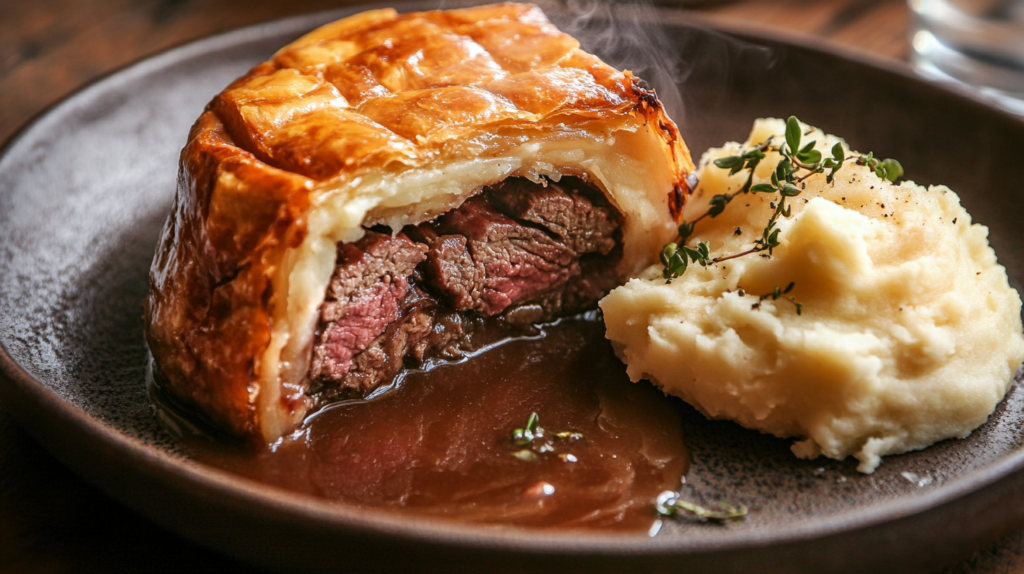
A British classic, steak and kidney pudding is a rich and hearty dish made with tender beef, kidney, and a suet-based crust. Unlike a regular pie, this dish is steamed instead of baked, giving it a uniquely moist and tender texture.
Ingredients:
For the Suet Pastry:
- 2 cups all-purpose flour
- 1 teaspoon salt
- 1 teaspoon baking powder
- ¾ cup beef suet (grated or finely chopped)
- ½ cup cold water
For the Filling:
- 1 pound beef steak (chuck or brisket), diced
- ½ pound lamb or beef kidney, diced
- 1 onion, finely chopped
- 1 tablespoon flour
- 1 teaspoon Worcestershire sauce
- 1 cup beef broth
- Salt and black pepper to taste
Instructions:
- Make the suet pastry: In a bowl, mix flour, salt, and baking powder. Add the suet and rub it into the flour until crumbly. Slowly add cold water and mix until a dough forms. Cover and let rest for 15 minutes.
- Prepare the filling: Heat a little suet in a pan, add the onion, and cook until soft. Add the steak and kidney, cooking until browned. Sprinkle with flour, stir, then add Worcestershire sauce, broth, salt, and pepper. Simmer for 10 minutes.
- Assemble the pudding: Roll out ¾ of the suet pastry and use it to line a greased pudding basin. Pour in the filling. Roll out the remaining dough and place it on top, sealing the edges.
- Steam the pudding: Cover the basin with parchment paper and aluminum foil, securing it with string. Place in a large pot with enough boiling water to come halfway up the sides. Cover and steam for 2.5 to 3 hours.
- Serve hot with mashed potatoes and gravy!
Tip: If you’re new to suet pastry, don’t overwork the dough—it should be handled lightly, like biscuit dough, to stay tender.
2. Homemade Suet Dumplings for Stews

Dumplings made with suet are light, fluffy, and perfect for soaking up rich broths in stews and casseroles.
Ingredients:
- 1 cup self-rising flour
- ½ teaspoon salt
- ½ cup beef suet, finely grated
- 4 tablespoons cold water
Instructions:
- In a bowl, mix flour, salt, and suet.
- Add water gradually and mix until a soft dough forms.
- Divide into 6 small balls and place them on top of a simmering stew.
- Cover with a lid and cook for 20-25 minutes. The dumplings will double in size!
Pro Tip: Add chopped herbs like parsley or thyme for extra flavor.
3. Beef Suet-Roasted Potatoes for Ultimate Crispiness

Forget vegetable oil—beef suet is the secret to the crispiest roasted potatoes! It creates a golden, crunchy exterior while keeping the inside fluffy.
Ingredients:
- 2 pounds potatoes (Yukon Gold or Russet)
- 4 tablespoons beef suet
- 1 teaspoon salt
- ½ teaspoon black pepper
- ½ teaspoon garlic powder (optional)
- Fresh rosemary (optional)
Instructions:
- Preheat the oven to 425°F (220°C).
- Parboil the potatoes: Peel and cut the potatoes into chunks. Boil for 5 minutes, then drain. Shake the pot to roughen the edges (this helps with crispiness).
- Heat the suet: Place the beef suet in a roasting pan and heat in the oven for 5 minutes until sizzling.
- Roast the potatoes: Carefully add the potatoes to the hot suet, tossing to coat. Roast for 40-50 minutes, turning occasionally, until crispy and golden brown.
- Season and serve with fresh rosemary and extra salt.
Tip: For an even crispier finish, let the potatoes rest in a colander after boiling for 10 minutes before roasting.
4. Classic Suet Pudding (Spotted Dick)
Spotted Dick is a traditional British steamed suet pudding filled with dried fruit and served with custard. The name comes from the “spots” of dried fruit and the old English word “dick,” meaning pudding.
Ingredients:
- 1½ cups all-purpose flour
- ½ teaspoon salt
- ¾ cup beef suet, finely grated
- ½ cup sugar
- ¾ cup raisins or currants
- ½ teaspoon cinnamon (optional)
- ¾ cup milk
- Custard, for serving
Instructions:
- Make the dough: Mix flour, salt, suet, sugar, and raisins in a bowl. Add cinnamon if using.
- Add milk: Stir in milk gradually until a soft dough forms.
- Shape the pudding: Grease a pudding basin and fill it with the dough. Cover with parchment paper and foil.
- Steam the pudding: Place in a pot with boiling water halfway up the basin. Cover and steam for 1.5 to 2 hours.
- Serve warm with custard!
Did you know? Suet puddings were a staple dessert in British households before refrigeration because they stayed fresh longer than butter-based cakes.
5. Traditional Yorkshire Pudding with Beef Suet

Yorkshire pudding is usually made with beef drippings, but using beef suet makes it even richer and crispier!
Ingredients:
- 1 cup all-purpose flour
- ½ teaspoon salt
- 2 eggs
- ¾ cup milk
- 4 tablespoons beef suet (melted)
Instructions:
- Preheat the oven to 450°F (230°C).
- Make the batter: In a bowl, whisk flour, salt, eggs, and milk until smooth. Let it rest for 15 minutes.
- Heat the suet: Pour melted suet into a muffin tin and place in the oven until sizzling.
- Bake: Quickly pour the batter into the hot tin and bake for 20-25 minutes until puffed and golden brown.
- Serve with roast beef and gravy!
Tip: The key to a great Yorkshire pudding is very hot fat and a well-rested batter.
Common Problems When Cooking with Beef Suet (and How to Fix Them)
Even though beef suet is an amazing fat to cook with, it does come with a few challenges. Whether your suet pastry is turning out too greasy, or your suet has gone rancid too quickly, here are some common issues and how to fix them.
1. Why Is My Suet Pastry Too Greasy?
The Problem: Your pastry feels heavy, greasy, or overly crumbly instead of light and flaky.
The Solution:
✔ Use the right ratio of suet to flour – Too much suet makes the dough oily and hard to work with. Stick to a 1:2 ratio of suet to flour.
✔ Keep everything cold – Suet pastry works best when the suet and water are ice cold. If your kitchen is warm, chill the suet before using it.
✔ Don’t overwork the dough – Handling it too much can melt the fat, making it greasy instead of flaky.
Pro Tip: If the dough feels too soft, pop it in the fridge for 15-20 minutes before rolling it out.
2. How Do I Prevent Suet From Turning Rancid?
The Problem: Your suet develops a strong, unpleasant odor or taste.
The Solution:
✔ Store suet properly – Keep fresh suet in the fridge for up to two weeks or freeze it for up to a year.
✔ Render it into tallow – Rendering extends its shelf life significantly (tallow stays fresh for months at room temperature).
✔ Buy suet in small amounts – If you don’t use suet often, buy only what you need instead of storing large quantities.
Did You Know? Grass-fed suet has a longer shelf life than grain-fed suet due to its natural antioxidants.
3. My Suet Dumplings Are Too Dense—What Went Wrong?
The Problem: Instead of being light and fluffy, your dumplings are heavy and chewy.
The Solution:
✔ Use self-rising flour – If using plain flour, add baking powder to help them rise.
✔ Don’t overmix the dough – Gently combine the ingredients; over-kneading makes the dumplings tough.
✔ Let them steam properly – Place dumplings on top of the stew, cover with a lid, and don’t lift the lid for at least 20 minutes!
Fun Fact: Traditional suet dumplings were a cheap way to stretch stews and feed large families.
4. Why Isn’t My Suet Melting Properly?
The Problem: When rendering suet into tallow, it’s taking too long to melt or is burning before fully liquefying.
The Solution:
✔ Chop or grind suet into small pieces – The smaller the pieces, the faster it melts.
✔ Use low heat – Suet should melt slowly to avoid burning; a slow cooker on low is ideal.
✔ Strain out impurities – After melting, strain the suet through a cheesecloth to remove any leftover meat particles, which can cause spoilage.
Tip: Always store rendered tallow in a glass jar, not plastic, to keep it fresh longer.
5. How Can I Make Beef Suet Less Strong in Flavor?
The Problem: Some people find suet has a slightly beefy taste, which may not be ideal for certain dishes.
The Solution:
✔ Use high-quality suet – Grass-fed suet has a milder flavor than grain-fed suet.
✔ Render it into tallow – This removes impurities and gives it a clean, neutral taste.
✔ Add herbs or spices – If using suet for roasting, try infusing it with garlic, rosemary, or thyme to enhance the flavor.
Best for Baking: If you’re using suet for pastries or desserts, opt for kidney suet, which is the cleanest and least beefy-tasting fat.
Conclusion
Beef suet is one of the most underrated fats in cooking. Once a staple in traditional kitchens, it’s now making a comeback among chefs, home cooks, and health-conscious eaters looking for a natural, nutrient-dense fat that enhances both flavor and texture.
From rich meat pies and crispy roasted potatoes to flaky pastries and dumplings, suet has a unique ability to elevate dishes in a way that vegetable oils simply can’t. Plus, its high smoke point, clean flavor, and long shelf life make it an excellent choice for both cooking and baking.
If you’ve never cooked with beef suet before, now is the perfect time to try it! Whether you’re making a traditional steak and kidney pudding or simply roasting vegetables in suet for extra crispiness, you’ll quickly see why this old-fashioned fat is making a modern comeback.
So go ahead—experiment with suet in your kitchen, and enjoy the richness and authenticity it brings to your favorite dishes!
Frequently Asked Questions About Beef Suet
1. Is beef suet the same as tallow?
No, but they are closely related. Beef suet is the raw fat from around the kidneys, while tallow is the rendered (melted and strained) version of suet. Tallow has a longer shelf life and can be used for cooking, skincare, and even making candles.
2. Where can I buy beef suet?
You can find beef suet at local butcher shops, farmers’ markets, specialty meat stores, and online retailers. Some grocery stores with full-service butcher counters may also carry it, but it’s best to call ahead.
3. How do I store beef suet?
- Fresh suet: Store in the refrigerator for up to 2 weeks.
- Frozen suet: Store in an airtight container for up to 12 months.
- Rendered tallow: Can be kept at room temperature for months if stored in a sealed jar.
4. Can I use beef suet in baking?
Yes! Suet is a fantastic alternative to butter or shortening in baking. It creates extra flaky pastry and is traditionally used in British desserts like spotted dick and Christmas pudding.
5. Is beef suet good for a keto or carnivore diet?
Absolutely! Beef suet is pure fat with zero carbs, making it a perfect source of energy for keto, carnivore, and paleo diets. It provides healthy saturated fats that support brain function, metabolism, and hormone balance.
6. Can I substitute beef suet with another fat?
If you don’t have suet, you can use beef tallow, lard (pork fat), butter, or vegetable shortening, depending on the recipe. However, suet has a unique texture that makes pastries crispier and dumplings fluffier, so substitutions may slightly alter the final result.
7. Does beef suet have a strong taste?
Not really! High-quality suet, especially from grass-fed cows, has a neutral, clean flavor. If you find it has a strong taste, it might be due to impurities or improper storage. Rendering it into tallow can help create a milder, more refined fat.