
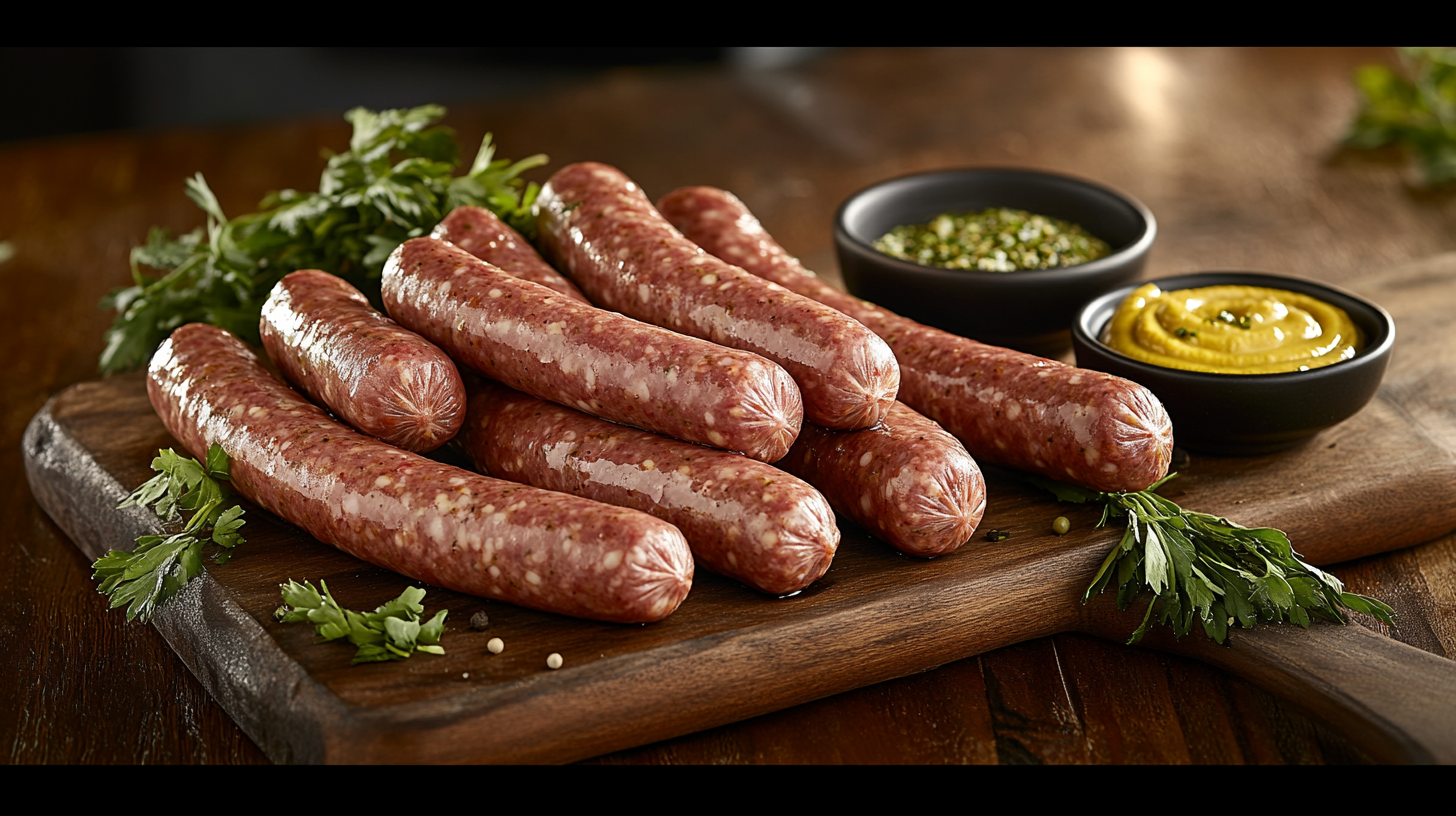

Sausages made from beef are enjoyed worldwide for their bold, savory taste. Whether grilled, pan-seared, or used in hearty dishes, they serve as a versatile protein source in many cuisines. But what makes them unique compared to other varieties?
This guide explores everything about these flavorful meat links—covering their history, types, nutritional value, and best cooking methods. Whether you’re a food lover or simply looking to expand your meal options, you’ll find valuable insights here.
Let’s dive into this delicious world and discover why these sausages remain a staple in many households!
What is Beef Sausage?
Sausages crafted from beef are known for their rich, meaty texture and bold flavors. They are made by combining ground meat with seasonings, herbs, and, in some cases, natural preservatives. The mixture is then packed into either natural or synthetic casings.
Unlike pork-based alternatives, these are firmer and carry a deeper, more robust taste. They appear in countless traditional dishes, ranging from spicy, chorizo-style links to mild, herb-infused breakfast varieties.
Common Characteristics
- Made from ground beef, often mixed with fat for juiciness.
- Contains a blend of spices like garlic, black pepper, paprika, and salt.
- Available in fresh, dried, smoked, and cured forms.
- Used in a variety of dishes, from breakfast platters to gourmet meals.
Why Choose Beef Sausage?
Many people opt for beef sausage due to dietary restrictions or personal preference. Some reasons include:
Rich, meaty flavor that stands out in dishes.
Higher protein content compared to some other meat sausages.
Halal and Kosher options available for those with dietary restrictions.
Types Around the World
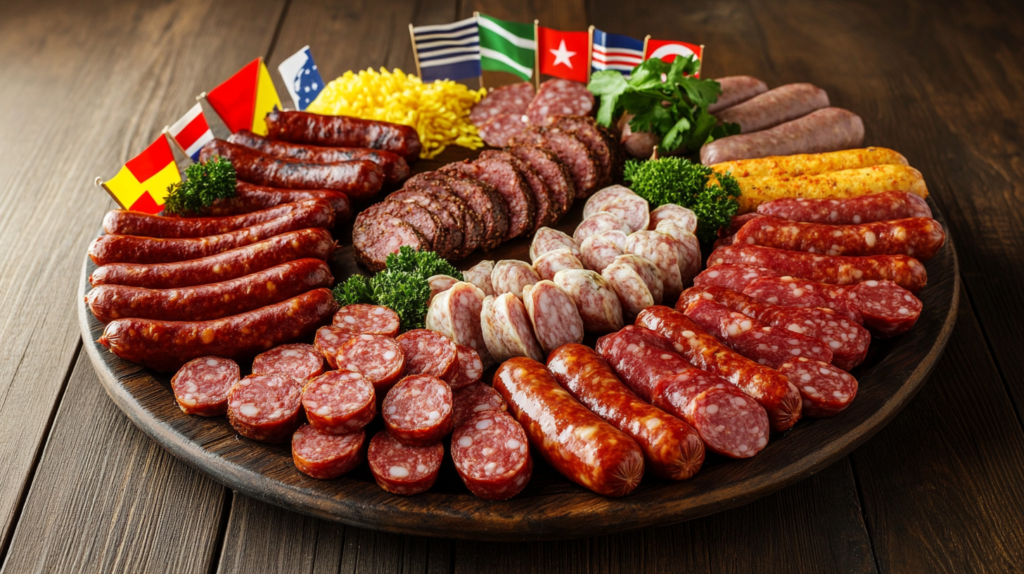
Sausages made with beef come in many styles, depending on the country and culinary traditions. Here are some of the most popular types:
Fresh Varieties
These are made with raw meat and must be cooked before consumption. They are commonly found in breakfast dishes and homemade recipes.
Examples: American-style morning links, Italian-seasoned varieties.
Smoked Options
Perfect for grilling, these are cured and then smoked for added flavor and preservation.
Examples: Texas-style barbecue links, Polish kielbasa made with beef.
Dry-Cured and Fermented
Undergoing a drying and curing process, these versions have a longer shelf life and can be eaten as-is or added to charcuterie boards.
Examples: Beef-based salami, Spanish-style chorizo.
Spicy Variants
Many cultures favor hot, bold seasonings, infusing these meat products with chili, garlic, and aromatic spices.
Examples: Mexican-style chorizo, North African Merguez.
How Beef Sausage is Made
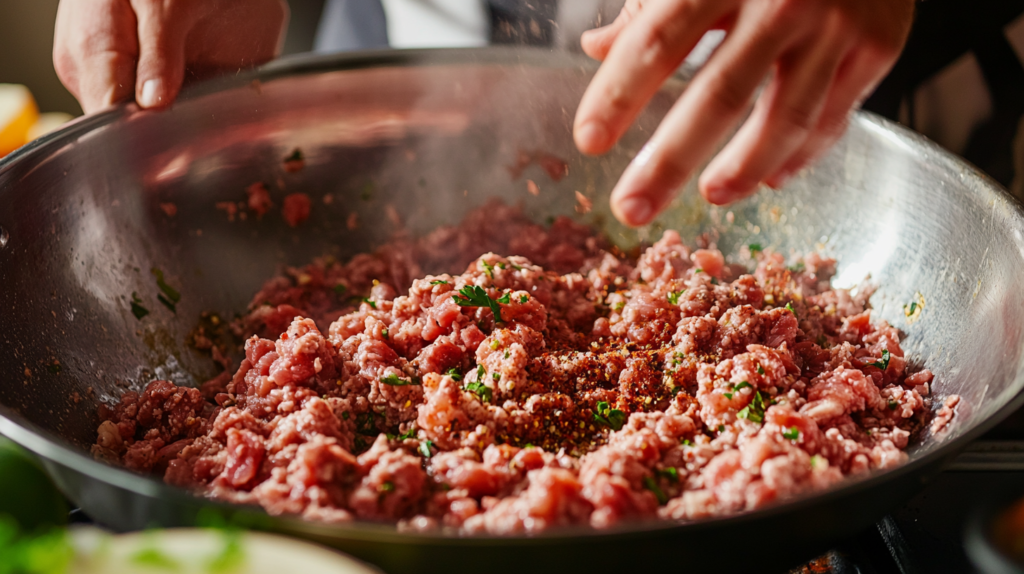
The process of making beef sausage involves several steps, from selecting the right cuts of beef to grinding, seasoning, and casing. Whether produced commercially or homemade, the process follows a structured method to ensure flavor, texture, and preservation.
Step 1: Choosing the Right Beef Cuts
Not all parts of the cow are ideal for making sausage. The best cuts for beef sausage are those with a good balance of lean meat and fat, as fat enhances flavor and juiciness.
Common beef cuts used in sausage making:
- Chuck (rich in flavor, moderate fat content)
- Brisket (good fat-to-meat ratio, perfect for grinding)
- Short rib meat (adds tenderness)
- Round (leaner but works well when mixed with fatty cuts)
Step 2: Grinding the Meat
Once the beef cuts are selected, they are coarsely or finely ground, depending on the desired texture.
- A coarse grind results in a chunky, rustic sausage.
- A fine grind creates a smoother, more uniform consistency.
For enhanced flavor, some recipes mix in beef fat or suet to achieve the ideal moisture level.
Step 3: Adding Seasonings & Spices
Spices are what give beef sausage its unique flavor. The seasoning blend varies by region, but some common spices include:
| Ingredient | Purpose |
|---|---|
| Salt | Enhances flavor, acts as a preservative |
| Black Pepper | Adds mild heat and depth |
| Garlic | Brings out savory notes |
| Paprika | Gives color and mild sweetness |
| Chili Flakes | Adds heat (common in spicy sausages) |
| Coriander | Provides an earthy, citrusy note |
| Fennel Seeds | Used in Italian-style sausages |
| Nutmeg | Adds a warm, slightly sweet aroma |
For smoked sausages, ingredients like liquid smoke or smoked paprika can be added to intensify the smoky aroma.
Step 4: Stuffing the Sausage
The seasoned beef mixture is then stuffed into casings, which can be:
- Natural casings (from beef or sheep intestines) – more traditional, offering a snap when bitten.
- Collagen or cellulose casings – used in mass production for uniformity and ease of handling.
Sausages can be formed into links, coils, or patties, depending on the desired shape and use.
Step 5: Curing, Smoking, or Cooking
At this stage, the sausage is either left fresh, cured, or smoked:
- Fresh Beef Sausage: Needs to be cooked before eating (e.g., breakfast sausage).
- Cured Beef Sausage: Treated with salt and hung to dry (e.g., salami).
- Smoked Beef Sausage: Slowly smoked for deeper flavor (e.g., kielbasa).
Some sausages undergo a fermentation process (as seen in dry-cured varieties) to develop complex flavors and improve shelf life.
Key Ingredients in Beef Sausage
Beef sausage isn’t just about meat—several essential ingredients contribute to its flavor, texture, and preservation.
1. Primary Ingredients
Beef: The star ingredient, providing protein and rich flavor.
Fat: Improves moisture and tenderness.
Salt: Essential for seasoning and preservation.
2. Flavor Enhancers
Spices: Customizable for different sausage styles.
Herbs: Like thyme, rosemary, and oregano for added aroma.
Sweeteners: Some sausages use honey, brown sugar, or maple syrup for balance.
3. Binders & Fillers (Optional)
Breadcrumbs or rice flour: Used in some recipes to absorb moisture.
Water or broth: Keeps the sausage from drying out.
4. Preservatives (For Commercial Production)
Nitrates & Nitrites: Used in cured sausages to prevent spoilage.
Ascorbic acid (Vitamin C): Helps retain color and freshness.
Nutritional Value
Beef sausage provides a rich source of protein and essential nutrients, making it a popular choice for many diets. However, its nutritional profile depends on factors like ingredients, preparation method, and fat content.
Basic Nutritional Breakdown (Per 100g Serving)
| Nutrient | Amount | % Daily Value |
|---|---|---|
| Calories | 250-350 kcal | 12-17% |
| Protein | 12-18g | 24-36% |
| Total Fat | 20-30g | 30-45% |
| Saturated Fat | 7-12g | 35-60% |
| Cholesterol | 50-80mg | 16-27% |
| Sodium | 600-1200mg | 25-50% |
| Iron | 2-3mg | 10-15% |
| Zinc | 3-5mg | 27-45% |
| Vitamin B12 | 1-2 mcg | 40-80% |
Key Takeaways:
High in protein – Great for muscle growth and repair.
Rich in iron and zinc – Supports immunity and energy production.
Contains Vitamin B12 – Essential for brain health and red blood cell formation.
Can be high in fat and sodium – Important to consume in moderation.
Health Benefits
1. Excellent Source of Protein
It is packed with high-quality protein, which is essential for muscle repair, enzyme production, and overall bodily functions. A single serving can provide up to 36% of the daily protein requirement.
2. Rich in Iron and Zinc
- Iron: Supports red blood cell formation and prevents anemia.
- Zinc: Boosts the immune system and aids in wound healing.
These minerals are particularly beneficial for athletes, growing children, and individuals with iron deficiencies.
3. Provides Essential B Vitamins
It is a good source of Vitamin B12 and B6, which help maintain brain health, improve nerve function, and boost energy levels.
4. Keeps You Full for Longer
Due to its high protein and fat content, It provides long-lasting satiety, making it a good option for low-carb and keto diets.
5. Great for Muscle Growth and Recovery
The amino acids in beef sausage contribute to muscle development and repair, making it a valuable food for bodybuilders and fitness enthusiasts.
Potential Health Concerns
While it has several health benefits, it’s important to consume it in moderation due to the following concerns:
1. High Saturated Fat Content
Some beef sausages contain high levels of saturated fat, which, in excess, may contribute to:
Increased cholesterol levels
Higher risk of heart disease
Tip: Opt for leaner beef sausage varieties or pair them with vegetables and whole grains to balance fat intake.
2. High Sodium Levels
Processed beef sausages often contain added salt and preservatives, leading to: Increased blood pressure
Water retention and bloating
Tip: Choose low-sodium or homemade one to reduce salt intake.
3. Presence of Additives and Preservatives
Some commercial beef sausages contain nitrates and nitrites, which may have links to certain health risks.
Tip: Look for nitrate-free or organic beef sausage when possible.
Is Beef Sausage Healthy?
If consumed in moderation, beef sausage can be a nutritious protein source.
Opt for leaner cuts, natural ingredients, and minimal processing.
Pair it with healthy sides like vegetables, whole grains, or salads for a balanced meal.
How to Cook Them
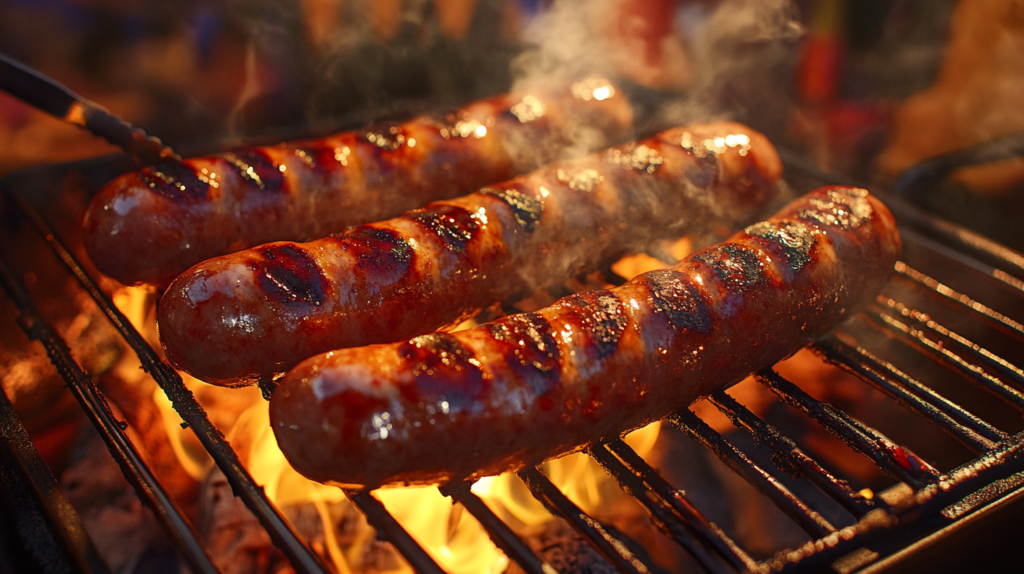
Different preparation methods enhance the taste and texture of these delicious links. The best technique depends on whether the product is fresh, smoked, or pre-cooked.
Grilling for Smoky Flavor
Steps:
Preheat the grill to medium-high heat.
Lightly oil the grates to prevent sticking.
Place them over the flames, turning occasionally for even cooking.
Ensure the internal temperature reaches 160°F (71°C) before serving.
Ideal for: Smoked or fresh varieties
Pairs well with: Grilled vegetables or mustard-based sauces
Best Recipes Using Beef Sausage
Looking for meal ideas? Here are some delicious beef sausage recipes:
1. Classic Beef Sausage & Peppers
Ingredients:
- 4 beef sausages
- 1 red bell pepper, sliced
- 1 green bell pepper, sliced
- 1 onion, sliced
- 2 tbsp olive oil
- 1 tsp garlic powder
- Salt & pepper to taste
Instructions:
Heat oil in a pan over medium-high heat.
Add sausages and cook until browned (about 8 minutes). Remove and set aside.
In the same pan, add onions and peppers. Sauté for 5 minutes.
Slice the sausages and return them to the pan. Cook for another 5 minutes.
Serve with rice, pasta, or inside a sandwich.
2. Spicy Beef Sausage Pasta
Ingredients:
- 3 beef sausages, sliced
- 250g pasta (penne or spaghetti)
- 2 cloves garlic, minced
- 1 cup tomato sauce
- 1 tsp red pepper flakes
- ½ cup parmesan cheese
- 2 tbsp olive oil
- Fresh basil for garnish
Instructions:
Cook pasta according to package instructions. Drain and set aside.
Heat oil in a pan, add sliced sausages, and cook until browned.
Add garlic and red pepper flakes, sauté for 1 minute.
Pour in tomato sauce and simmer for 5 minutes.
Toss in pasta, mix well, and top with parmesan and basil.
3. Beef Sausage Breakfast Scramble
Ingredients:
- 2 beef sausages, chopped
- 3 eggs, beaten
- ½ cup bell peppers, diced
- ¼ cup onions, diced
- 1 tbsp butter
- Salt & pepper to taste
Instructions:
Heat butter in a pan over medium heat.
Add sausage and cook for 4-5 minutes.
Add bell peppers and onions, sauté for 2 minutes.
Pour in eggs and scramble until fully cooked.
Serve with toast or avocado.
Pro Tips for Cooking Beef Sausage
Use a meat thermometer to ensure safe cooking (160°F / 71°C).
Don’t overcook—it can dry out the sausage.
Piercing sausages can cause juices to escape; avoid pricking them while cooking.
Pair with fresh ingredients like herbs, mustard, or citrus to balance the richness.
Storage and Shelf Life of Beef Sausage
Proper storage is essential to maintain the quality, flavor, and safety of beef sausage. Depending on whether the sausage is fresh, cooked, or cured, storage methods will vary.
1. How to Store Fresh Beef Sausage (Raw & Uncooked)
Fresh beef sausage has a short shelf life and must be stored properly to prevent spoilage.
Refrigeration (Short-Term Storage)
- Storage Time: 1-2 days
- How to Store: Keep in its original packaging or transfer to an airtight container.
- Ideal Temperature: Below 40°F (4°C) in the fridge.
Freezing (Long-Term Storage)
- Storage Time: Up to 3 months
- How to Store: Wrap sausages in plastic wrap, then place in a freezer-safe bag.
- Tip: Label with the date for easy tracking.
2. How to Store Cooked Beef Sausage
Once cooked, beef sausage must be stored properly to maintain freshness.
Refrigeration
- Storage Time: 3-4 days
- How to Store: Keep in an airtight container or wrap in aluminum foil.
Freezing
- Storage Time: Up to 2 months
- How to Store: Let sausages cool completely before freezing. Place in a freezer bag and remove excess air.
Reheating Tip:
- Microwave for 1-2 minutes or reheat in a pan over medium heat for 5 minutes.
3. How to Store Cured or Smoked Beef Sausage
Cured and smoked sausages have a longer shelf life due to their low moisture content.
Room Temperature (For Dry-Cured Sausage Only)
- Storage Time: Up to 3 weeks in a cool, dry place.
- Best Storage: Hanging in a well-ventilated space or in a paper bag (not plastic).
Refrigeration (For Smoked Sausages)
- Storage Time: Up to 2 weeks.
- How to Store: Keep in its original vacuum-sealed packaging or wrap in parchment paper.
Freezing
- Storage Time: Up to 6 months for vacuum-sealed cured sausages.
How to Tell if Beef Sausage Has Gone Bad
Signs of Spoilage:
Foul Smell – If the sausage smells sour, rotten, or ammonia-like, discard it.
Slimy Texture – Fresh sausage should be firm; slimy or sticky sausage is unsafe to eat.
Discoloration – Gray, green, or moldy patches indicate spoilage.
Sour Taste – If the sausage tastes off, don’t take the risk—throw it out.
Best Practices for Storing Beef Sausage
Always refrigerate fresh sausage immediately after purchase.
Use vacuum-sealing or freezer bags to prevent freezer burn.
Label containers with the storage date to track freshness.
Avoid storing sausage in the fridge door, as temperature fluctuations can cause spoilage.
Choosing the Best One
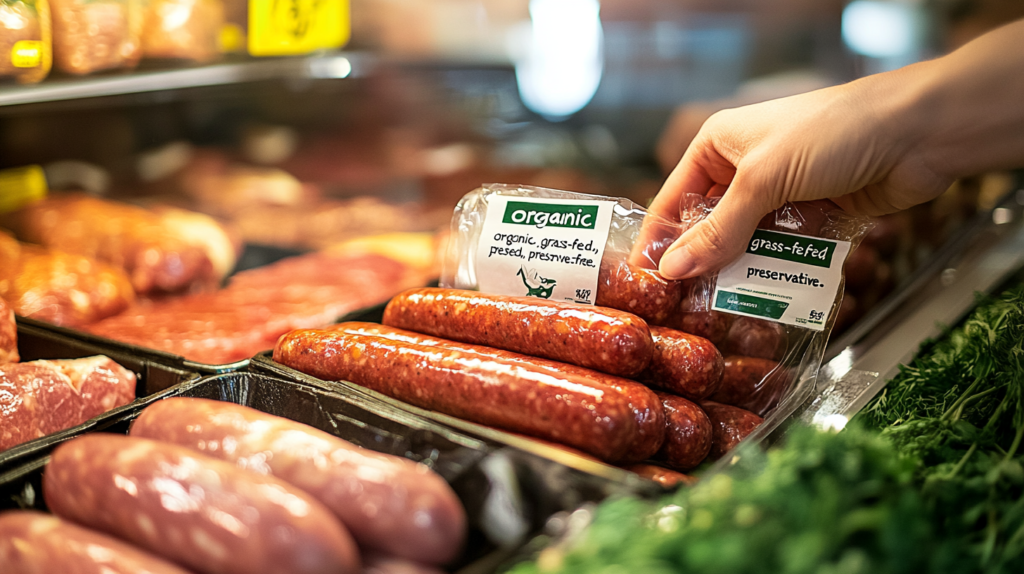
Selecting a high-quality product ensures great flavor and nutrition. Here’s what to look for:
1. Check the Ingredients
A premium product should contain simple, natural components without excessive additives.
Look for:
- 100% beef as the main ingredient
- Minimal preservatives and no artificial fillers
- Natural spices and seasonings
2. Pick the Right Type for Your Needs
Different varieties suit different meals:
Dry-cured meats are perfect for charcuterie boards.
Fresh options are great for breakfast or grilling.
Smoked selections work well in sandwiches or stews.
Homemade Beef Sausage Recipe
Making beef sausage at home allows you to control the ingredients, flavors, and seasoning to your liking. This recipe provides a simple but tasty base that you can customize.
Ingredients
2 lbs ground beef (80/20 meat-to-fat ratio for best flavor)
1 tbsp salt (adjust to taste)
1 tsp black pepper
1 tbsp smoked paprika
1 tsp garlic powder
1 tsp onion powder
½ tsp cayenne pepper (optional for heat)
½ tsp dried thyme or oregano
½ cup cold water (helps mix spices evenly)
Natural or collagen casings (optional, if making link sausages)
Instructions
Step 1: Prepare the Meat Mixture
1- In a large mixing bowl, combine the ground beef, salt, and all the seasonings.
2- Slowly add cold water while mixing to ensure even distribution of spices.
3- Mix thoroughly using your hands or a food processor until the mixture is well combined and slightly sticky.
Step 2: Shape the Sausage
For Patties: Form the mixture into small round patties and refrigerate for 30 minutes before cooking.
For Links: If using casings, soak them in warm water for 30 minutes before stuffing. Use a sausage stuffer to fill the casings, being careful not to overfill. Twist into links as desired.
Step 3: Cook the Sausage
Grilling: Cook on a preheated grill over medium heat for 10-12 minutes, turning occasionally.
Pan-Frying: Heat oil in a skillet and cook sausages for 8-10 minutes, turning to brown evenly.
Oven-Baking: Place on a lined baking sheet and bake at 375°F (190°C) for 20-25 minutes.
Step 4: Store or Freeze
- Store cooked sausages in an airtight container in the fridge for up to 4 days.
- Freeze uncooked sausages for up to 3 months for later use.
Flavor Variations
Spicy Beef Sausage: Add extra cayenne, red pepper flakes, or hot sauce.
Garlic Herb Sausage: Increase garlic and add fresh parsley or rosemary.
Sweet Maple Sausage: Mix in 1 tbsp honey or maple syrup for a sweet-savory twist.
This homemade beef sausage recipe is perfect for breakfast, BBQs, or meal prep!
FAQs About Beef Sausage
1. Is beef sausage healthier than pork sausage?
It depends on the fat content and ingredients. It is often leaner than pork sausage, making it a better option for those watching their fat intake. However, some beef sausages contain high amounts of sodium and preservatives, so always check the label for a healthier choice.
2. Can I eat beef sausage on a keto or low-carb diet?
Yes! Most of them are keto-friendly because they are high in protein and fat while containing little to no carbohydrates. However, avoid sausages with added sugars or fillers like breadcrumbs, which increase the carb count.
3. How long does beef sausage last in the fridge?
- Raw beef sausage: 1-2 days in the fridge.
- Cooked one: 3-4 days in the fridge.
- Smoked or cured one: Up to 2 weeks if properly stored.
4. Can I freeze beef sausage?
Yes! Freezing is the best way to extend its shelf life.
- Raw beef sausage: Up to 3 months in a freezer-safe bag.
- Cooked beef sausage: Up to 2 months in an airtight container.
5. What’s the best way to reheat cooked beef sausage?
- Microwave: Heat for 30-60 seconds until warm.
- Pan-fry: Reheat over medium heat for 5 minutes.
- Oven: Bake at 350°F (175°C) for 10-15 minutes.
6. Are there beef sausages without preservatives?
Yes! Look for organic, nitrate-free, or preservative-free ones at specialty stores or make your own at home for a completely natural option.
Conclusion
Beef sausage is a delicious and versatile food that has been enjoyed for centuries across different cultures. Whether grilled, pan-fried, baked, or added to your favorite recipes, it offers a rich, meaty flavor that enhances any dish.
By understanding the different types, how to choose high-quality options, and the best ways to cook and store it, you can fully enjoy this protein-packed favorite while making healthier choices.
If you’re looking for a preservative-free alternative, consider making your own homemade one, where you can control the ingredients and seasonings to suit your taste.
From breakfast scrambles to BBQ feasts, it remains a staple in many households. So, whether you’re a fan of spicy chorizo, smoky kielbasa, or classic breakfast links, there’s a beef sausage out there for you!