
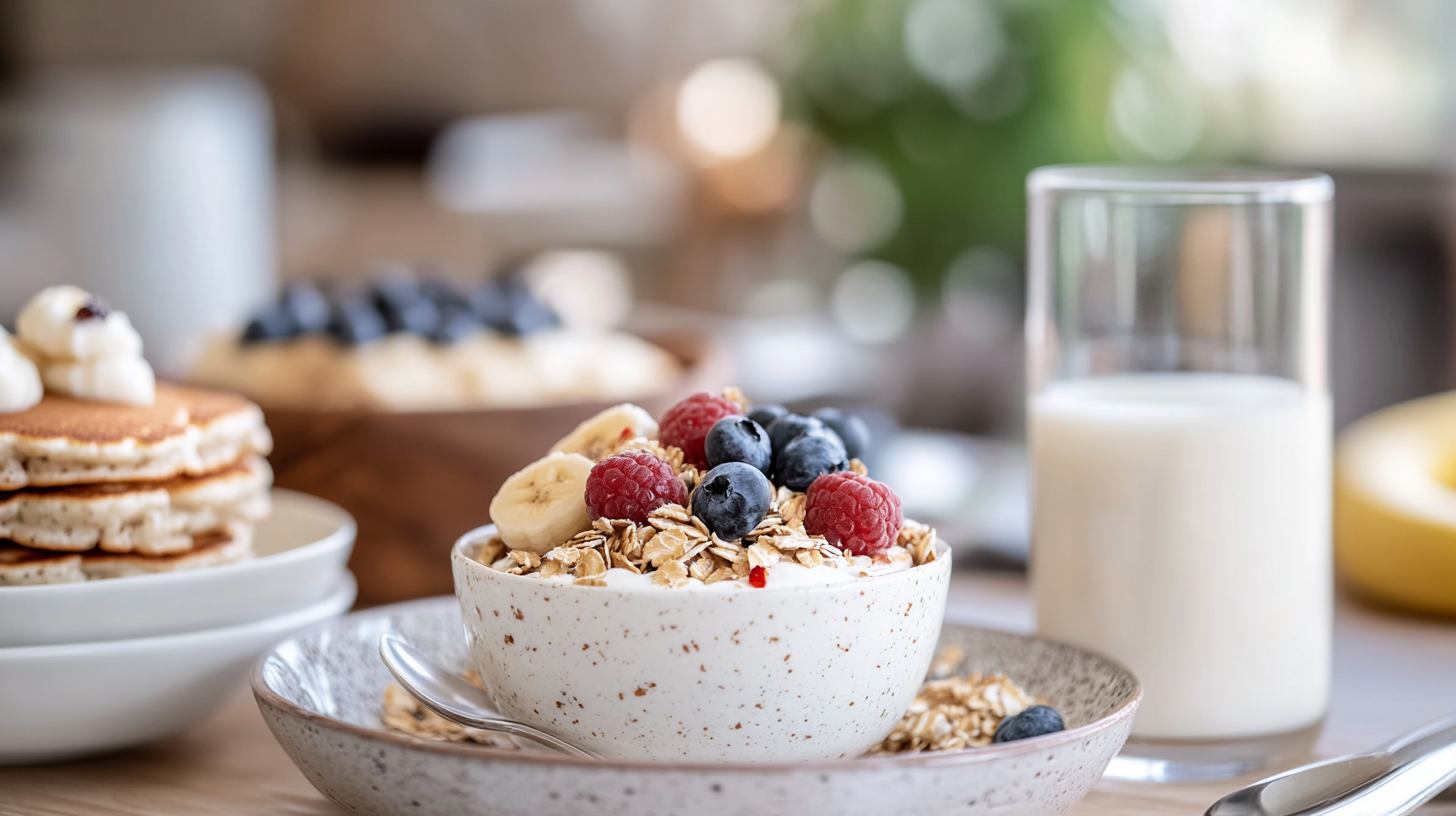

Ever feel like breakfast on a FODMAP diet is a total struggle? Like you’re stuck with the same bland toast or boring boiled eggs? Trust me, you’re not alone. The good news? There’s a whole world of fodmap diet breakfast recipes out there that are anything but dull. In fact, once you get the hang of low-FODMAP ingredients, your mornings can be both satisfying and full of flavor. This guide is packed with vibrant ideas to transform your breakfast game while staying tummy-friendly.
Why the FODMAP Diet Matters for Breakfast
So why all this focus on breakfast, anyway? Well, if you’re following the FODMAP diet for IBS or other digestive sensitivities, your first meal sets the tone for the whole day. Starting with a belly-friendly meal can prevent bloating, discomfort, and those mid-morning crashes.
High-FODMAP foods like apples, milk, and wheat might be common breakfast staples—but for us, they’re off-limits. That’s where a list of carefully curated fodmap diet breakfast recipes comes into play. The trick is swapping out troublemakers for gentle ingredients without losing the fun and flavor.
If you’ve ever wondered whether you can still enjoy a hearty hash or creamy oats, the answer is yes—you just need the right versions. From savory veggie-loaded egg muffins to fruity, dairy-free parfaits, there’s more variety than you’d expect. Plus, making the switch doesn’t mean sacrificing satisfaction.
What Is a FODMAP Diet? Quick Refresher
Let’s rewind for a sec. FODMAP stands for fermentable oligosaccharides, disaccharides, monosaccharides, and polyols. Whew, say that five times fast! These are short-chain carbs that are poorly absorbed in the small intestine. For people with IBS or similar issues, they can cause gas, bloating, and discomfort.
The diet works in phases—elimination, reintroduction, and personalization. During elimination, you cut out high-FODMAP foods entirely and slowly reintroduce them later to figure out what your body tolerates. This makes sticking to safe options like low-FODMAP breakfasts super important in the early stages.
And here’s a bonus: breakfast is actually the easiest place to start building good habits. You’re in control, it’s usually eaten at home, and it’s a great place to start experimenting with new low-FODMAP swaps. Plus, you’re not likely to miss onions at 7 AM—so that’s one win right there.
Essential Tips for FODMAP Diet Breakfast Success
Want to nail your fodmap diet breakfast recipes from day one? Here’s how:
- Read Labels Religiously: Even foods marked “healthy” may sneak in garlic, honey, or high-fructose corn syrup.
- Watch Your Portions: Even low-FODMAP ingredients can become problematic in large quantities.
- Keep It Balanced: A good breakfast isn’t just about being FODMAP-friendly—it should include protein, healthy fats, and some carbs to keep energy levels stable.
- Prep Ahead: Mornings get hectic. Prepping egg muffins or overnight oats in batches can be a total game-changer.
And don’t stress if it takes some trial and error. This article includes recipes, storage tips, and even what drinks to pair with your breakfast. We’ve got you.
Pantry Staples for FODMAP-Friendly Mornings
Let’s be real—half the battle of eating well on a FODMAP diet is just having the right stuff in your kitchen. When it comes to pulling off satisfying fodmap diet breakfast recipes, your pantry can either be your best friend or your biggest hurdle. Stock it smart, and you’ll thank yourself every morning.
Here are the MVPs of any FODMAP-friendly breakfast pantry:
- Certified Low-FODMAP Oats: Rolled or quick oats are perfect for overnight oats or warm porridge. Just keep portions in check—½ cup dry oats is your friend.
- Lactose-Free or Plant-Based Milk: Almond milk (without added gums), rice milk, and lactose-free dairy are all great bases for smoothies or cereals.
- Nut Butters: Go for smooth peanut or almond butter without additives like high-fructose corn syrup.
- Low-FODMAP Flours: Think rice flour, oat flour, or even buckwheat flour (despite the name, it’s gluten-free).
- Chia Seeds and Ground Flaxseed: These tiny superfoods add fiber and texture to smoothies or oatmeal without triggering symptoms.
- Maple Syrup: The perfect natural sweetener—and yes, it’s low-FODMAP.
A stocked pantry isn’t just convenient—it opens the door to quick, balanced fodmap diet breakfast recipes on even the busiest mornings.
Having these essentials on hand helps you mix and match ingredients to create quick, nourishing fodmap diet breakfast recipes without a second thought.
The Ultimate FODMAP Diet Breakfast Recipes
Okay, here’s what you’ve been waiting for—let’s dive into some seriously delicious, gut-friendly ideas that will give your taste buds something to wake up for. These recipes have been tested, tweaked, and totally devoured, so you know they deliver.
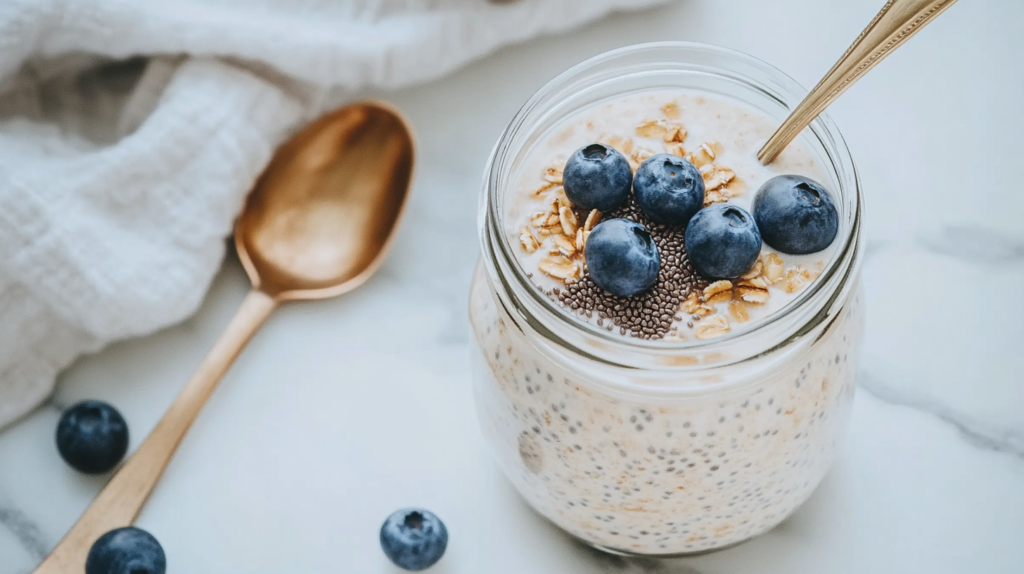
1. Low-FODMAP Overnight Oats Delight
Prep Time: 5 mins
Chill Time: 4–8 hrs
Serves: 2
Ingredients:
- 1 cup certified low-FODMAP rolled oats
- 1 cup unsweetened almond milk
- 1 tbsp chia seeds
- 1 tsp maple syrup
- ¼ tsp cinnamon
- ¼ cup blueberries (fresh or frozen)
Instructions:
- Combine oats, almond milk, chia seeds, maple syrup, and cinnamon in a jar.
- Stir well and refrigerate overnight.
- In the morning, top with blueberries and enjoy.
This simple recipe is endlessly customizable. Swap in strawberries, banana slices (limit to ⅓ banana per serve), or even a spoonful of low-FODMAP granola.
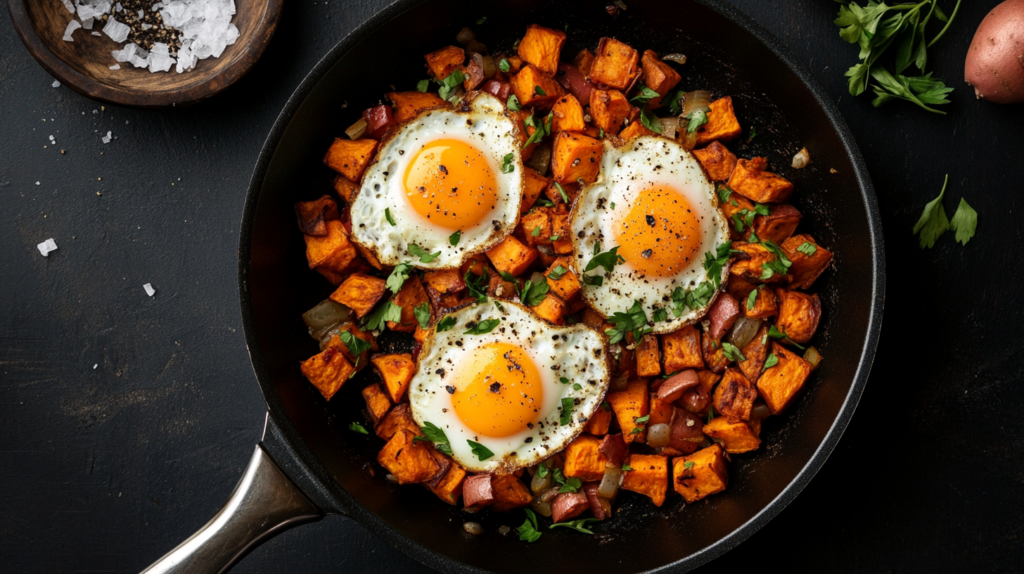
2. Savory Sweet Potato Hash with Eggs
Prep Time: 10 mins
Cook Time: 15 mins
Serves: 2
Ingredients:
- 1 medium sweet potato, peeled and diced
- 1 tbsp garlic-infused olive oil
- ½ bell pepper, diced
- 2 eggs
- Salt and pepper to taste
- Fresh parsley (optional)
Instructions:
- Heat oil in a pan and sauté sweet potato until soft (about 10 mins).
- Add bell pepper and cook for another 5 mins.
- Make space in the pan and crack in the eggs.
- Cover and cook until eggs are done to your liking.
Pro tip: Garlic-infused oil gives you the flavor without the FODMAPs. It’s the secret weapon in many fodmap diet breakfast recipes.
This one-pan dish is a staple for those looking for hearty yet simple fodmap diet breakfast recipes that don’t require a lot of cleanup.
3. Banana Oat Pancakes (Gluten-Free & Low-FODMAP)
Prep Time: 10 mins
Cook Time: 10 mins
Serves: 2
Ingredients:
- 1 ripe banana (use only ⅓ per serving to stay low-FODMAP)
- 2 large eggs
- ½ cup rolled oats
- ¼ tsp baking soda
- ½ tsp cinnamon
- 1 tsp maple syrup
- Coconut oil (for cooking)
Instructions:
- Blend banana, eggs, oats, baking soda, cinnamon, and maple syrup until smooth.
- Heat coconut oil in a skillet over medium heat.
- Pour batter and cook each pancake until golden on both sides (about 2–3 mins per side).
- Serve warm with a drizzle of maple syrup or lactose-free yogurt.
These pancakes are fluffy, naturally sweet, and super satisfying. You can even freeze them and reheat for a quick breakfast later—one of the most practical fodmap diet breakfast recipes out there.
4. Creamy Quinoa Breakfast Bowl
Prep Time: 5 mins
Cook Time: 15 mins
Serves: 2
Ingredients:
- ½ cup uncooked quinoa
- 1 cup lactose-free milk or almond milk
- 1 tbsp chia seeds
- ½ tsp cinnamon
- 1 tsp maple syrup
- 2 tbsp crushed walnuts (optional)
- ¼ cup strawberries, sliced
Instructions:
- Rinse quinoa thoroughly and cook with milk on low heat until fluffy.
- Stir in chia seeds, cinnamon, and maple syrup.
- Divide into bowls and top with walnuts and strawberries.
The warm, creamy texture of this bowl is like a hug in a bowl. It’s perfect for chilly mornings and packs protein, fiber, and healthy fats—all without upsetting your stomach. It also links perfectly with ideas from Delicious AIP breakfast ideas you’ll crave if you’re experimenting with different restrictive diets.
5. Zucchini & Carrot Egg Muffins

Prep Time: 10 mins
Cook Time: 20 mins
Serves: 6 muffins
Ingredients:
- 4 large eggs
- ½ cup grated zucchini
- ½ cup grated carrot
- 2 tbsp lactose-free milk
- 1 tbsp chopped chives
- Salt and pepper to taste
Instructions:
- Preheat oven to 375°F (190°C). Grease a muffin tin.
- Squeeze excess moisture from grated veggies.
- Whisk eggs with milk, chives, salt, and pepper.
- Stir in veggies and divide mixture into muffin tin.
- Bake for 18–20 mins until set.
These are freezer-friendly, super versatile, and one of the most portable fodmap diet breakfast recipes. Great for grab-and-go mornings or even a mid-morning snack.
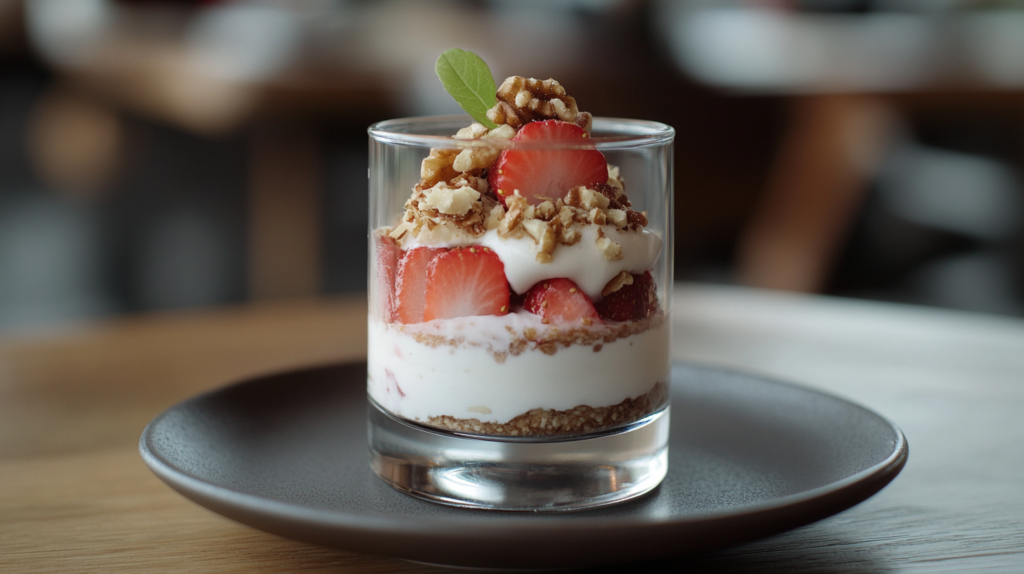
6. Coconut Yogurt Parfait with Berries
Prep Time: 5 mins
Serves: 2
Ingredients:
- 1 cup coconut yogurt (unsweetened)
- ¼ cup strawberries or raspberries
- 2 tbsp crushed walnuts or sunflower seeds
- 1 tbsp maple syrup
Instructions:
- In a glass or bowl, layer yogurt, berries, nuts, and syrup.
- Repeat to create beautiful layers and enjoy immediately.
This one’s almost too pretty to eat—and it makes breakfast feel special. Want more inspiration like this? Check out our 10 irresistible chicken breakfast recipes for even more high-protein morning options.
Make-Ahead Ideas for Busy Mornings
We all have those mornings where everything’s chaos and cooking feels like a distant dream. That’s why make-ahead options are total lifesavers. With the right plan, you can have delicious fodmap diet breakfast recipes ready to grab, heat, and eat without thinking twice.
Here are some of the best breakfast ideas you can prep ahead:
- Egg Muffins – As mentioned earlier, these keep well in the fridge for up to 4 days and can be frozen for longer. Reheat in the microwave for 30–60 seconds.
- Overnight Oats – Make a few jars on Sunday and store them for up to 5 days. Vary the toppings to keep it interesting.
- Frozen Pancakes – Whip up a batch of banana oat pancakes, freeze them with parchment between each one, and toast when needed.
- Quinoa Bowls – Cook the quinoa base ahead of time and store in containers. Add toppings in the morning.
- Smoothie Packs – Pre-portion fruit, chia seeds, and spinach in freezer bags. Blend with almond milk when you’re ready.
If you’re constantly on the go, try batch-cooking a few fodmap diet breakfast recipes each weekend—it’ll save time and reduce morning stress.
Storage, Reheating, and Meal Prep Tips
Knowing how to store and reheat your meals safely is just as important as cooking them right. When working with fodmap diet breakfast recipes, you want to avoid spoilage while preserving taste and texture.
Storage Tips:
- Store cooked items (like muffins or quinoa bowls) in airtight containers in the fridge for 3–4 days.
- Freeze batches of pancakes, muffins, or even chopped veggies for later use.
- Use clear labeling with dates to track freshness.
Reheating Tips:
- Microwave egg muffins and pancakes for 30–60 seconds.
- Reheat quinoa bowls on the stove with a splash of milk or water to refresh them.
- Avoid microwaving overnight oats; they’re best cold or at room temp.
Bonus Meal Prep Tip:
Chop and portion your veggies ahead of time. It cuts prep in half for recipes like hash or scrambled eggs and helps maintain consistency across your fodmap diet breakfast recipes routine.
Want even more inspiration for easy, flavor-packed mornings? You might enjoy exploring these delicious alkaline breakfast recipes that align with digestive wellness too.
Common Mistakes to Avoid in FODMAP Breakfasts
Even when you’re trying your best, a few sneaky mistakes can throw your gut off. Here are the most common errors people make with fodmap diet breakfast recipes—and how to dodge them:
- Assuming All Gluten-Free Products Are Low-FODMAP
Not true! Many still contain high-FODMAP ingredients like inulin or chicory root. - Overloading on Low-FODMAP Foods
Portion size matters. Too much of a good thing (like oats or bananas) can still cause issues. - Forgetting to Check Additives
“Natural flavors,” preservatives, and binding agents can include hidden FODMAPs. - Skipping Protein
Breakfasts that are all carbs and no protein won’t keep you full and might lead to blood sugar dips. - Giving Up Too Early
Trial and error is part of the journey. Stick with it—you’ll find your groove.
Nutritional Balance: Are You Getting Enough?
It’s easy to get caught up in avoiding FODMAPs and forget about what is going into your body. A solid breakfast on the FODMAP diet should fuel you—not just fill you. That means prioritizing nutrient density in your fodmap diet breakfast recipes just as much as you avoid trigger ingredients.
Here’s what to keep in check:
- Protein: Eggs, lactose-free Greek yogurt, tofu, and nut butters are excellent options. They help with satiety and muscle maintenance.
- Healthy Fats: Avocados (watch portion sizes), chia seeds, and coconut-based products provide lasting energy and aid in vitamin absorption.
- Complex Carbs: Choose low-FODMAP carbs like sweet potatoes, oats, quinoa, and certain fruits in limited amounts.
- Fiber: Look to flaxseed, chia, and tolerated veggies like spinach or grated zucchini to help digestion stay smooth.
Including all these macronutrients in your fodmap diet breakfast recipes ensures you start your day off right—without triggering symptoms.
This balance not only keeps you full longer but also supports consistent energy and gut health. Your gut doesn’t have to suffer for a good breakfast—you just need to build smarter fodmap diet breakfast recipes that work for your body.
How to Customize Recipes to Fit Your Taste
One of the best things about breakfast? You can tailor it endlessly. Just because you’re on a FODMAP diet doesn’t mean you’re stuck with cookie-cutter meals. These recipes can evolve with your cravings and dietary needs.
Here’s how to put your own spin on it:
- Add herbs and spices: Fresh basil, chives, parsley, and cinnamon are flavor boosters without FODMAPs.
- Tweak toppings: Swap strawberries for kiwi or raspberries. Add a sprinkle of pumpkin seeds or a spoonful of lactose-free yogurt.
- Switch base ingredients: Turn overnight oats into a warm bowl of millet porridge or a chilled buckwheat bowl.
- Go savory or sweet: Don’t love sweet breakfast? Stick with things like veggie egg muffins or savory quinoa bowls.
Experimentation keeps your routine exciting—and helps you discover which fodmap diet breakfast recipes suit your body best.
Flexibility is key when it comes to fodmap diet breakfast recipes, letting you adjust ingredients based on mood, season, or dietary needs.
Best Drinks to Pair with FODMAP Breakfasts
Don’t forget the beverage! Some morning drinks can sneak in FODMAPs you might not even notice. But with a few smart swaps, you can still sip something comforting and safe.
Low-FODMAP Drink Ideas:
- Lactose-free cappuccino with a sprinkle of cinnamon
- Almond milk latte (check for no added gums or sweeteners)
- Ginger tea – soothing and supports digestion
- Peppermint tea – naturally low-FODMAP and calming
- Infused water with lemon slices or cucumber
Avoid fruit juices (especially apple, pear, or mango), and steer clear of chicory-based coffee substitutes. Keeping your drink low-FODMAP is the finishing touch to complete your breakfast experience.
And if you’re looking for even more ideas that pair well with protein-packed meals, our 10 irresistible low FODMAP chicken recipes offer inspiration that goes beyond just breakfast.
Matching beverages with your fodmap diet breakfast recipes not only enhances flavor but also supports digestion throughout the day.
Final Thoughts on Mastering Your Morning Routine
When it comes to the FODMAP lifestyle, breakfast isn’t something to dread—it’s actually an opportunity. With the right recipes and a little prep, you can kick off your day feeling satisfied, energized, and in control. Whether you’re whipping up overnight oats, baking egg muffins, or sipping on a gut-friendly latte, your options are way more exciting than dry toast and boiled eggs.
If there’s one takeaway here, it’s that fodmap diet breakfast recipes can be both functional and flavorful. You don’t have to sacrifice taste to stay symptom-free. You just need the tools—and now, you’ve got a full breakfast toolbox.
A Few Last-Minute Reminders:
- Keep your pantry stocked with low-FODMAP essentials.
- Plan your meals ahead when possible to avoid grabbing high-FODMAP alternatives.
- Listen to your body and tweak recipes to suit your personal tolerances.
Still exploring different breakfast styles? Check out these delicious chicken breakfast recipes for more protein-packed ideas. And if you’re navigating multiple diets, the alkaline breakfast guide might give you even more creative options.
Mastering a few go-to fodmap diet breakfast recipes is the easiest way to take control of your mornings and your digestive health.
Prep Time (Average Across Recipes): 10 mins
Cook Time (Average Across Recipes): 15 mins
Total Time (Depending on Recipe): 5 to 25 mins
Serving Size: Varies by recipe (1–2 servings per dish)
Now that you’re armed with tasty, tummy-safe ideas, your morning plate will never be boring again. Say goodbye to gut struggles and hello to happy, flavorful starts.
Frequently Asked Questions About FODMAP Diet Breakfast Recipes
1. What can I eat for breakfast on a FODMAP diet?
You’ve got plenty of choices for fodmap diet breakfast recipes—think overnight oats with almond milk, egg muffins with grated zucchini, or a simple bowl of quinoa with strawberries. The key is to choose low-FODMAP ingredients and watch portion sizes. Stick to certified oats, lactose-free dairy, and safe fruits like bananas (in limited amounts) or blueberries. Also, garlic-infused olive oil adds major flavor without the FODMAPs. With a bit of planning, breakfast can be the most stress-free meal of the day.
2. Are eggs allowed on a FODMAP diet breakfast?
Yes, eggs are completely FODMAP-friendly! They’re a fantastic base for many fodmap diet breakfast recipes. Scrambled, poached, boiled, or baked into muffins—they all work. Just be mindful of what you pair them with. Skip the onions or garlic, and use herbs or garlic-infused oils instead. Combine them with tolerated veggies like spinach, grated carrots, or bell peppers for a savory and satisfying meal that won’t upset your digestion.
3. Can I eat bread on a FODMAP diet in the morning?
You can—but it needs to be the right kind. Many traditional breads are high in FODMAPs due to wheat, rye, or barley. For fodmap diet breakfast recipes, opt for sourdough spelt bread (if tolerated), certified gluten-free loaves made without inulin or chicory root, or oat-based breads. Always check the label. Toast a couple slices and top with natural peanut butter or eggs for a quick and balanced start to the day.
4. Is oatmeal safe for breakfast on a FODMAP diet?
Yes—oatmeal is safe if you use the right type and portion size. Stick with rolled or quick oats labeled as low-FODMAP and keep it to ½ cup dry per serving. This makes oatmeal one of the most versatile fodmap diet breakfast recipes around. Pair it with almond milk, chia seeds, and low-FODMAP fruits like blueberries for a cozy, gut-friendly bowl. Avoid pre-flavored packets since they often contain high-FODMAP additives or sweeteners.
5. What fruits are safe for FODMAP breakfast recipes?
Low-FODMAP fruits ideal for breakfast include firm bananas (limit to ⅓ medium), blueberries, strawberries, raspberries, and kiwi. These work beautifully in smoothies, parfaits, or on top of oatmeal. In fodmap diet breakfast recipes, fruit adds natural sweetness and valuable nutrients without triggering bloating. Just remember, portion control is everything—even safe fruits can become problematic in large amounts. Stick to ¼ to ½ cup servings and rotate your options to keep breakfast interesting and balanced.
7. Is oatmeal ok on a FODMAP diet?
Yes, oatmeal can be part of your FODMAP-friendly morning! Just choose rolled oats or quick oats and keep your portion size to ½ cup dry. Larger servings can increase FODMAP levels. For better digestion, soak them overnight with almond or lactose-free milk. Add low-FODMAP toppings like blueberries or strawberries, and a dash of maple syrup. Oatmeal is one of the most adaptable and satisfying fodmap diet breakfast recipes out there—just make sure it’s not instant or flavored with sneaky additives.
8. Is AIP diet the same as FODMAP?
Nope, they’re not the same. The AIP (Autoimmune Protocol) diet and FODMAP diet have different goals and food restrictions. The AIP diet focuses on eliminating inflammatory foods to support autoimmune conditions, while the FODMAP diet targets fermentable carbs that trigger IBS symptoms. That said, there’s some overlap—both diets emphasize whole, unprocessed foods. Some fodmap diet breakfast recipes also work for AIP followers, especially if they’re egg-free and grain-free. But they’re two distinct approaches with different end goals.
9. What is a good breakfast for IBS sufferers?
For those with IBS, breakfast should be low in FODMAPs, easy to digest, and not too heavy. Good options include scrambled eggs with spinach, lactose-free yogurt with strawberries, or a small bowl of overnight oats with chia seeds. Recipes that avoid triggers like high-fructose fruits, onions, and dairy are key. That’s why fodmap diet breakfast recipes are a great go-to for managing IBS. They reduce the risk of bloating, cramps, or discomfort and help you start your day with confidence.
Because of its versatility and ease, oatmeal remains a hero in many fodmap diet breakfast recipes, especially when topped with safe fruits and seeds.
Conclusion
Breakfast doesn’t have to be boring—or stressful—just because you’re on a FODMAP diet. With the right ingredients and a few go-to recipes, you can enjoy every bite of your morning while still keeping your gut happy. From overnight oats and quinoa bowls to savory egg muffins and low-FODMAP pancakes, there’s a wide range of options that are both satisfying and symptom-friendly.
The beauty of fodmap diet breakfast recipes is that they combine both structure and creativity, allowing you to fuel your body without compromise.
What really matters is personalization. Your ideal fodmap diet breakfast recipes will match your tastes, your schedule, and your body’s unique needs. The FODMAP journey might seem restrictive at first, but it’s really just an invitation to get creative in the kitchen. And once you find the combos that work for you, breakfast becomes something you’ll actually look forward to.
So go ahead—stock that pantry, prep those muffins, and start experimenting. Your new favorite breakfast could be just one recipe away.
Got a FODMAP-friendly breakfast recipe you swear by? Share it in the comments—we’d love to hear what fuels your mornings!