
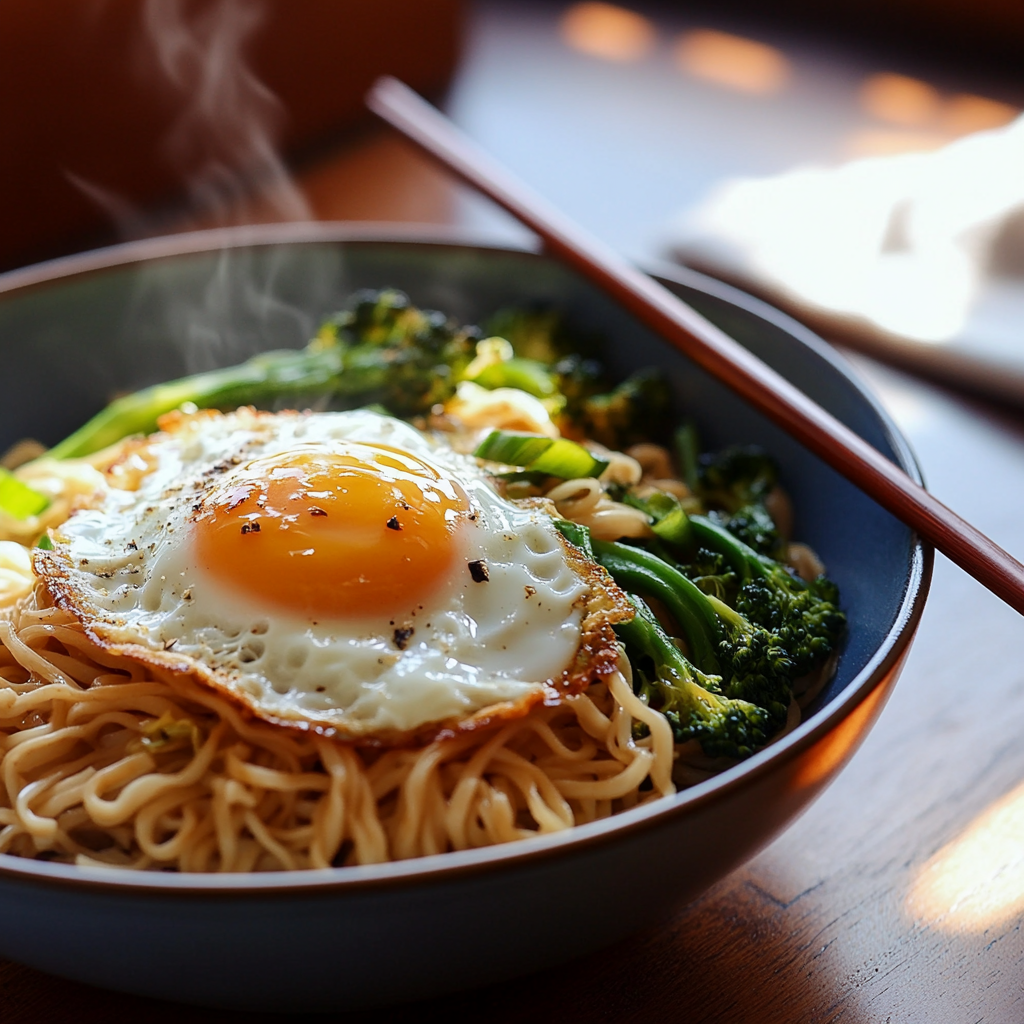

The Phat Si-Io Recipe I Keep Coming Back To
The first time I had Phat Si-Io wasn’t in a bustling Bangkok night market, but in my friend’s tiny apartment kitchen — a one-pan miracle, soy-stained noodles clinging to a borrowed wok. We were broke college kids with more enthusiasm than technique, and it showed. Burnt bits. Overcooked broccoli. But still, we stood over the stove, fork in hand, grinning like fools. This wasn’t just food — it was connection, comfort, and the kind of messy magic you don’t forget.
This Phat Si-Io recipe is quick, customizable, and soul-satisfying — perfect for weeknights, lazy weekends, or when takeout just isn’t cutting it. Whether you’re a noodle lover, a Thai food newbie, or someone looking for an easy stir-fry to master, I promise this dish delivers. We’ll break down everything from sauces to stir-fry timing, and I’ll even share how I’ve messed it up (so you don’t have to). Let’s make noodles the human way.
What Is Phat Si-Io? A Noodle Dish Born from Balance
If Pad Thai is the life of the party, then Phat Si-Io is the laid-back, reliable best friend who shows up with a bottle of soy sauce and knows exactly how you like your eggs. This dish — whose name literally translates to “fried with soy sauce” — is a cornerstone of Thai-Chinese cuisine. It’s all about contrast: thick rice noodles seared until smoky, tangled with Chinese broccoli, scrambled egg, and your protein of choice, all drenched in a perfect mix of dark and light soy sauces.
Unlike sweeter or tangier noodle dishes, a true Phat Si-Io recipe leans savory and earthy. No sugar bombs here. The magic comes from technique: high heat, minimal fuss, and letting the noodles caramelize just enough. Some call it wok hei — that elusive, smoky essence that makes stir-fry feel alive.
I’ve made this on a propane burner in my backyard. On an electric stovetop with a not-so-great nonstick skillet. It’s not always perfect, but it’s always worth it.
Why This Phat Si-Io Recipe Works for Home Cooks
Here’s the thing: restaurant-style stir-fry can be intimidating. The heat! The speed! The sauces you’ve never heard of! But this Phat Si-Io recipe was made for your kitchen — no matter how basic your setup. You’ll only need a handful of pantry-friendly ingredients and about 20 minutes, start to finish.
The recipe is forgiving, too. No Chinese broccoli? Use broccolini or even spinach. Can’t find thick rice noodles? Grab the widest you can, soak them a little longer, and go with it. The point isn’t to be perfect — it’s to make something bold, balanced, and deeply satisfying.
And I’ll say this now: dark soy sauce is non-negotiable. It’s what gives the dish its signature color and umami depth. Without it, you’re just stir-frying noodles. With it, you’re making memories.
Whether you’re cooking solo or feeding a crowd, this Phat Si-Io recipe brings that savory street-food vibe home — minus the jet lag.
Key Ingredients in an Authentic Phat Si-Io Recipe
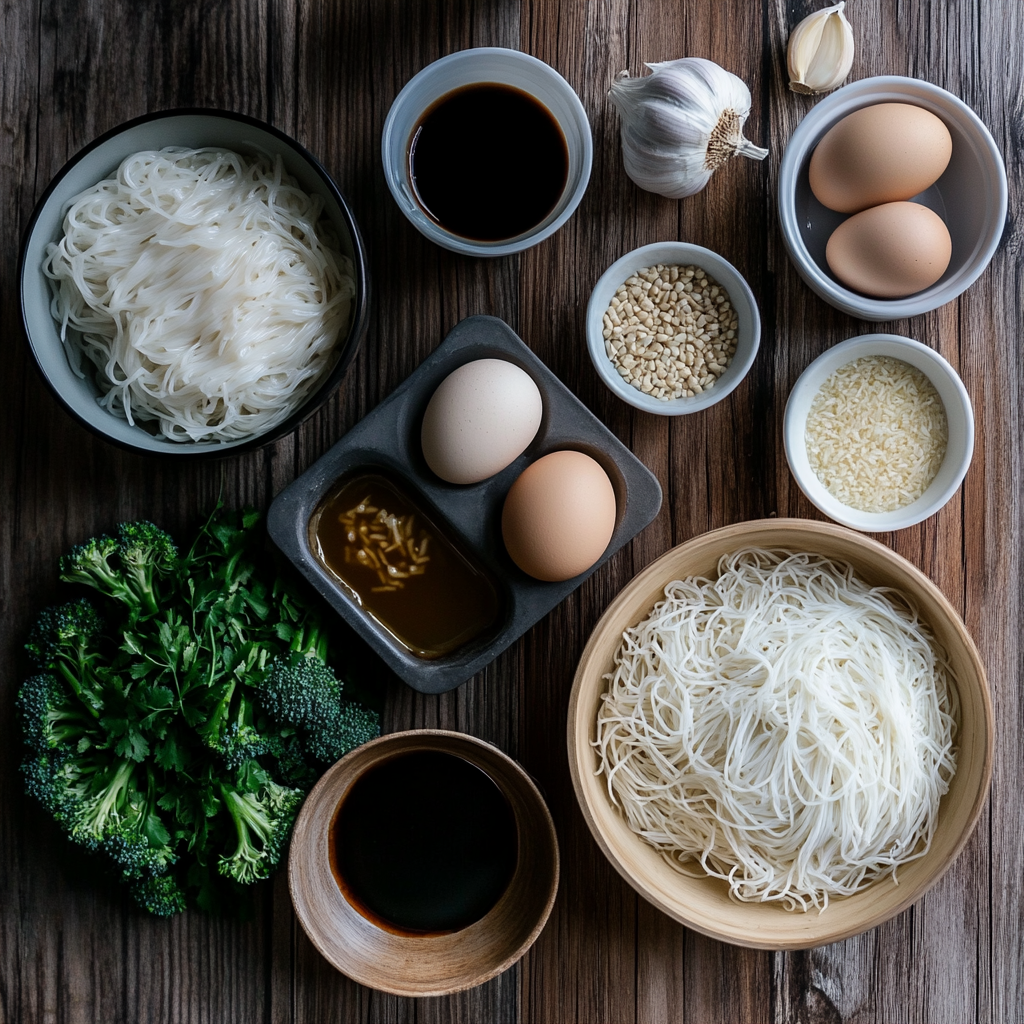
Let’s be honest — the ingredient list for a Phat Si-Io recipe might look deceptively simple, but each one plays its part like a band member in a late-night jazz set. You skip one, and the rhythm’s off.
Wide rice noodles are the foundation. You want them fat, floppy, and capable of soaking up sauce like a sponge in soy. If you’re lucky enough to live near an Asian market, grab fresh ones from the refrigerated section. Otherwise, dried wide rice noodles work too — just soak them until bendy but still a bit firm.
Then there’s Chinese broccoli (gai lan). Bitter, crunchy, leafy — it brings the contrast. If you can’t find it? No panic. Broccolini, kale, or even collard greens are solid backups. It’s about getting a green in there that doesn’t turn to mush.
Garlic? Always. Smash it, don’t mince it too fine — we want little golden-brown bits that infuse the oil and hit your tongue like mini umami bombs.
Eggs get scrambled right in the pan, adding soft, rich ribbons that mellow out the saltiness. You could leave them out, but why would you?
And then the protein — chicken is classic, but pork, tofu, or even shrimp are totally welcome here. I’ve used leftover steak slices once and… it slapped.
But the real star of any Phat Si-Io recipe is the soy sauce situation. Which brings us to…
Choosing the Right Soy Sauce (It Makes or Breaks It)
If you’ve ever thought soy sauce is just soy sauce, this dish will change your life. A proper Phat Si-Io recipe uses two kinds: light soy sauce and dark soy sauce — and no, they’re not interchangeable.
Light soy sauce isn’t “lite” as in low sodium — it’s thinner, saltier, and sharper. It’s what seasons the dish, brings that familiar salty tang, and makes everything taste like it came from a wok god.
Dark soy sauce, on the other hand, is thicker, slightly sweet, and used for color and depth. It’s molasses-y, almost syrupy. Just a tablespoon turns pale noodles into that glossy, deep-brown magic you expect in every bite.
Some folks toss in a splash of oyster sauce for body and sweetness — I do it, and I’m not sorry. Fish sauce? Optional. Sugar? A pinch at most.
The ultimate longhorn chicken recipe — for readers interested in umami-packed sauces
Here’s a hot tip: mix your sauces before you add them. That way, the Phat Si-Io recipe comes together fast and balanced, instead of tasting like a salty jigsaw puzzle.
One time I forgot the dark soy sauce and wondered why my noodles looked… sad. Don’t be me.
Cooking Tips: From Wok Hei to Noodle Timing
Okay, let’s talk technique. Because even the best ingredients in a Phat Si-Io recipe can fall flat without the right moves. Stir-frying isn’t just cooking — it’s choreography. And the star move? Wok hei.
Wok hei (often translated as “breath of the wok”) is that elusive, smoky flavor you get when everything hits high heat at once. It’s not just about tossing stuff into a pan — it’s about timing, confidence, and serious sizzle.
Now, I get it — most of us aren’t cooking over jet-engine-level flames. But you can fake it. Heat your pan until it just starts to smoke. Then add oil (I like neutral ones — peanut, canola). Immediately go in with the garlic and protein. You want them to hit the oil like a cannonball, not tiptoe in.
Timing’s crucial. Overcook the noodles and they’ll go from chewy to gluey faster than you can say “takeout.” Undercook, and they won’t absorb the sauce. If using fresh noodles, loosen them gently with your hands first. For dried, soak them al dente — they’ll finish cooking in the wok.
Another tip: don’t overcrowd the pan. I know it’s tempting to dump it all in at once. But unless you’ve got a massive wok, go in batches. That way you get sear, not steam.
Ever made stir-fry and ended up with soggy veggies and a puddle of sauce? Yeah, that was me too. Don’t crowd, crank the heat, and keep it moving. It’s chaos — but good chaos.
The Secret to Getting the Perfect Texture (Hint: Not Just the Noodles)
Texture is what sets a good Phat Si-Io recipe apart from a sad noodle pile. You want a mix: chewy noodles, tender-crisp greens, pillowy egg, and seared bits that almost stick (but don’t quite). Here’s how to get there.
First, dry your noodles after soaking. Seriously. Wet noodles steam instead of fry — and they’ll never brown. Lay them out, pat dry, even give them a few minutes to air out.
Next, think of your ingredients in layers. Protein first, so it can brown. Then push it to the side (or take it out), add veggies. When they’re almost done, bring everything back in with the noodles. That layering gives each ingredient its moment.
The egg? Add it last, push everything aside, and scramble it right in the pan. You want soft ribbons — not rubbery chunks.
And here’s something I learned the hard way: don’t over-sauce. It’s tempting, but a Phat Si-Io recipe is about balance. Too much liquid, and you lose texture. Too little, and the noodles won’t pick up the flavor.
So yeah, stir-frying’s a bit of a dance. But once you get the rhythm, it’s kind of addictive.
The Phat Si-Io Recipe Step-by-Step (With Commentary)
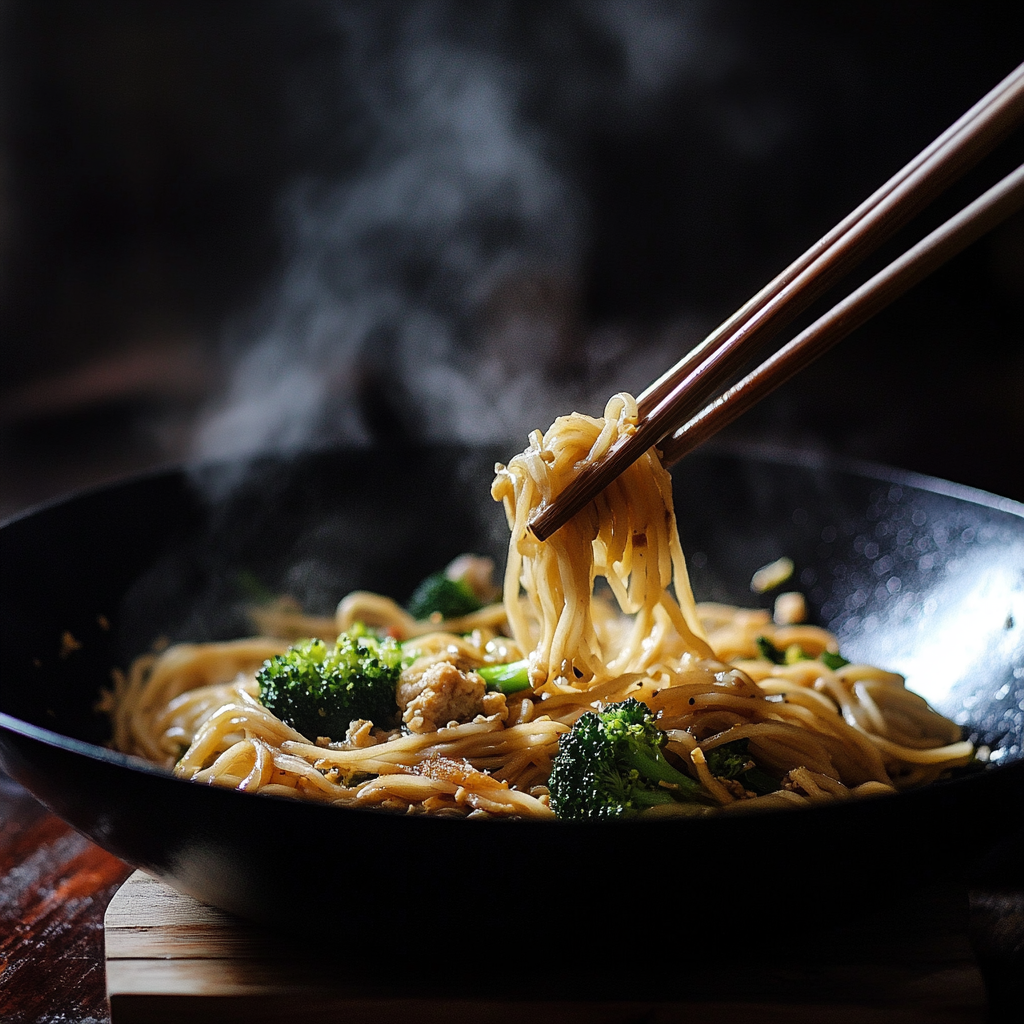
Alright, let’s get into the real action — here’s how I make my Phat Si-Io recipe, the same way I’ve cooked it on hungover Sundays, date nights, and lazy “I can’t believe I forgot to meal prep” Mondays. It’s fast. It’s flexible. And it’s just… good.
1. Prep everything first. This dish moves quickly. Slice your protein thin, chop the garlic, beat the eggs, and soak or rinse your rice noodles ahead of time.
2. Heat your wok or pan. You want it hot hot hot — like pre-smoke hot. Add about 1–2 tablespoons of neutral oil.
3. Cook your protein. Add the sliced meat or tofu. Let it sear, don’t poke it too much. When it’s just cooked through, push it to the side or remove it.
4. Toss in the garlic. Let it get golden and fragrant, just a few seconds. (This is when the kitchen starts smelling like you know what you’re doing.)
5. Add veggies. Chinese broccoli stems first, then leaves. Stir-fry until vibrant but still crisp.
6. Noodles go in. Use your hands to separate clumps. Toss them in and don’t stir too aggressively — let them get a little char if you can.
7. Pour in the sauce. That mix of light soy, dark soy, maybe oyster and a pinch of sugar. Stir quickly and evenly. The noodles should glisten and pick up color.
8. Scramble the egg. Push noodles aside, add a bit more oil if needed, crack the egg in. Scramble lightly, then fold everything together.
9. Return the protein (if removed). Mix it all, taste, adjust seasoning. Add chili flakes or vinegar if you like a kick.
10. Serve hot. Preferably with people who appreciate a slightly charred noodle.
This Phat Si-Io recipe is about improvisation — don’t stress if it’s not restaurant-perfect. If it tastes like a hug from a wok, you nailed it.
Serving Phat Si-Io: What Goes With It (and What Doesn’t)
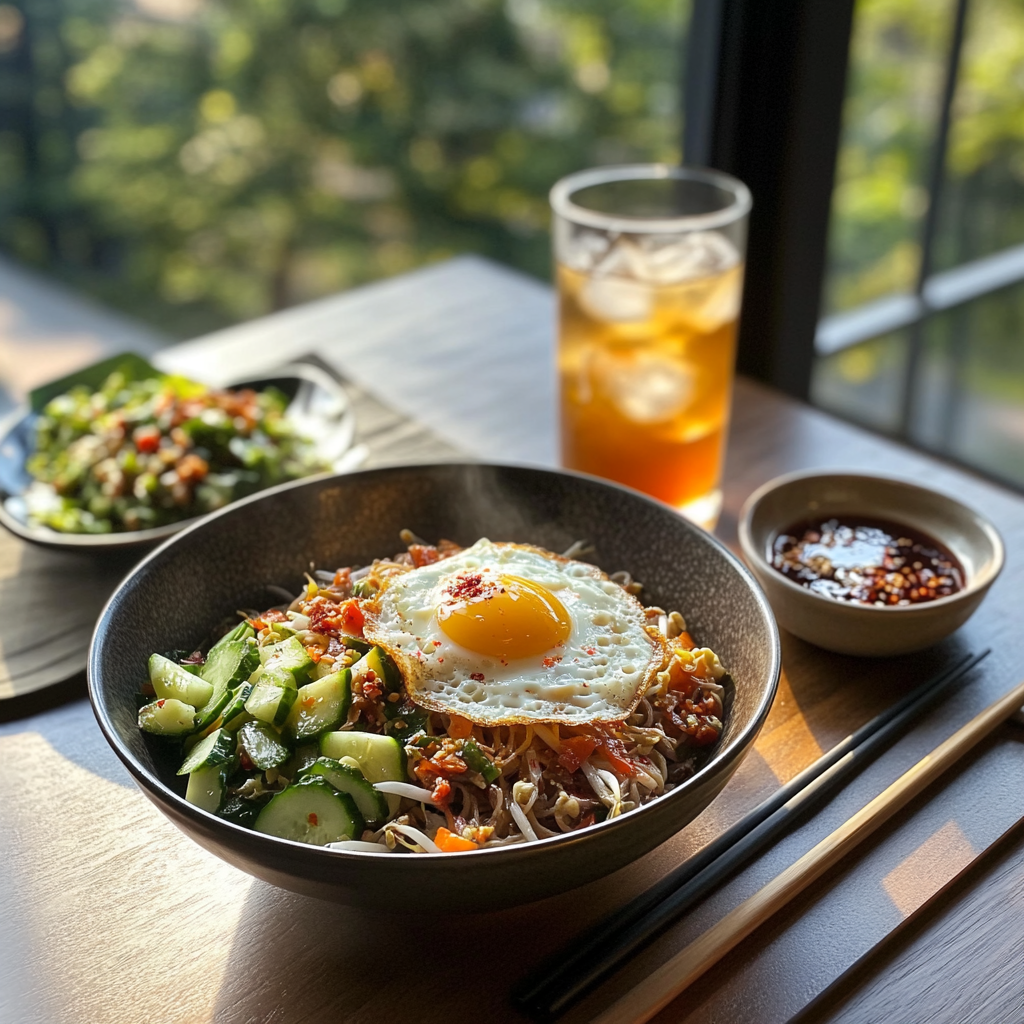
Honestly? This Phat Si-Io recipe doesn’t need much. It’s a full meal — protein, carbs, veggies, and sauce — all in one bowl. But if you’re going for the full Thai takeout fantasy, here are a few ideas:
- Fried egg on top. Yes, really. A runny yolk over hot noodles? Bliss.
- Crispy Thai spring rolls or even veggie dumplings on the side.
- Spicy cucumber salad — it cuts through the richness like a zesty sidekick.
- Thai iced tea or a bubbly sparkling water with lime. You’ll want a cold sip.
What doesn’t go with it? Super sweet or heavy mains. This Phat Si-Io recipe is savory-forward. Pairing it with, say, sweet & sour pork or creamy curry might overload the palate.
Once, I served it with a super garlicky stir-fry and… it was too much. Keep it light, keep it balanced, and let the noodles shine.
Variations on a Classic (Chicken, Tofu, Shrimp?)
One of the reasons I love this Phat Si-Io recipe so much? It’s basically a choose-your-own-adventure dish. You’ve got the base — wide noodles, soy sauce magic, garlicky stir-fry vibes — and from there, you can riff like a jazz solo.
Chicken is the go-to. It’s what most street vendors use, especially boneless thigh meat for max juiciness. But don’t stop there.
Tofu? Heck yes. Use firm tofu, pat it dry like it owes you money, and sear it until golden on all sides. It holds up beautifully and soaks up the sauce like a pro.
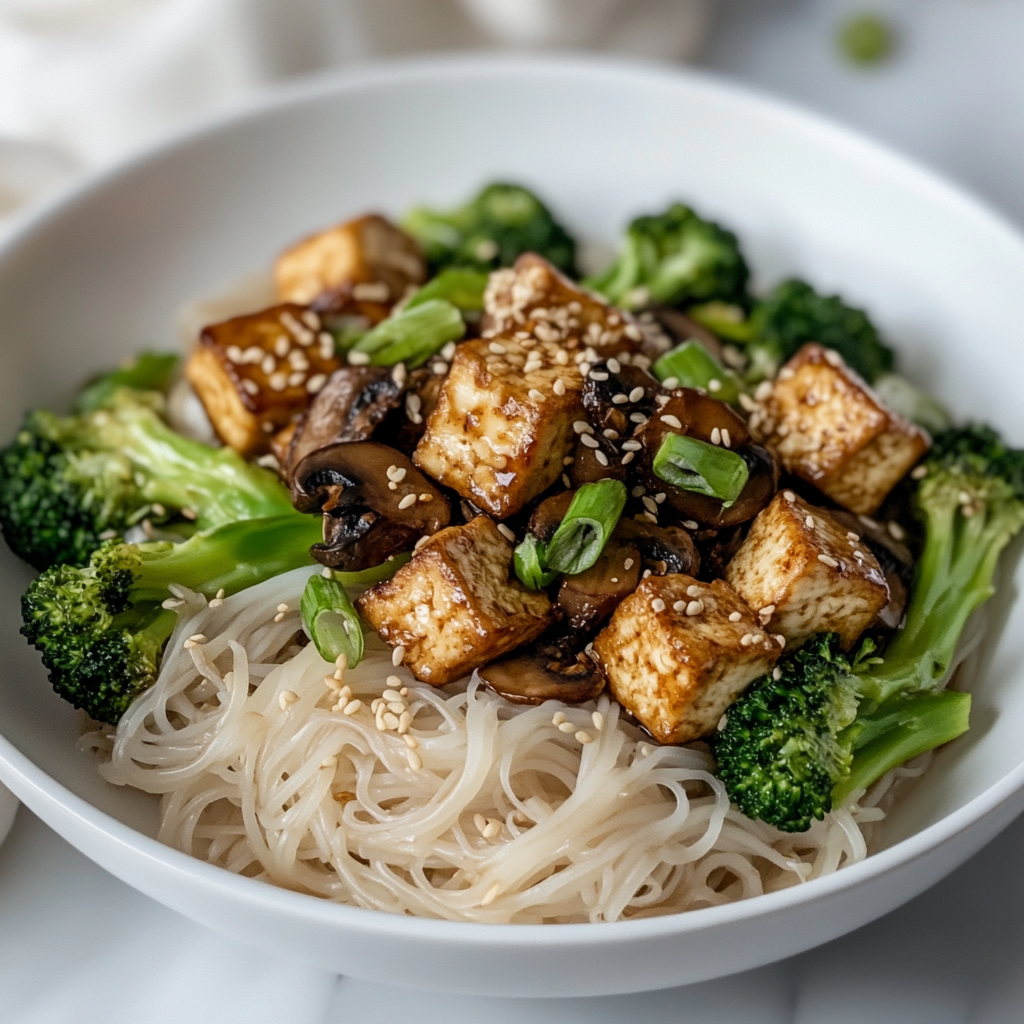
Shrimp brings a whole different energy — quick-cooking, slightly sweet, and surprisingly elegant. Just be sure to add them last so they don’t overcook into little rubber erasers.
I’ve even done a vegetarian version with mushrooms (shiitake or king oyster are great). Their meaty texture makes the dish feel just as hearty.
Want to get wild? Try this Phat Si-Io recipe with slices of grilled beef, or even leftover pulled pork. It’s not traditional, but it’s still so good.
The sauce stays the same — the soul of the dish is in that salty-sweet soy blend. Whatever you toss in just gets to ride the flavor wave.
Leftovers and Storage: How to Keep It Stir-Fry Fresh
Let’s be honest — stir-fry leftovers can be a gamble. One minute it’s the best Phat Si-Io recipe you’ve ever made, and the next it’s a cold, clumpy noodle brick. But it doesn’t have to be that way.
Here’s how I store it right:
- Let it cool completely before boxing it up.
- Use an airtight container — and yes, a shallow one is better than deep.
- Don’t wait more than 3 days to eat it — noodles dry out fast.
Reheating tips: Microwave with a damp paper towel on top to steam it gently. Or — my favorite — reheat in a nonstick skillet with a tiny splash of water and oil. Toss it around like you’re stir-frying all over again. Boom — it’s back.
Oh, and if you’ve got extra sauce? Drizzle it over before reheating. It’s like noodle CPR.
Cultural Context: Thai-Chinese Origins of Phat Si-Io
This Phat Si-Io recipe might feel like casual comfort food now, but it’s rooted in something deeper — the blending of Chinese immigrant cooking with Thai street culture. The stir-fry technique? That’s all wok-based Chinese cooking. But the flavors, the balance, the rhythm — pure Thai.
Phat Si-Io is what happened when two culinary worlds high-fived over a hot flame. It’s soy sauce over fish sauce. Rice noodles instead of wheat. Chinese broccoli instead of bok choy. It’s a dish that says: “Let’s make this work with what we’ve got.”
And it’s one of the most popular street food staples in Thailand for a reason. Quick, cheap, adaptable — and so satisfying you’ll crave it at midnight.
Making this Phat Si-Io recipe at home connects you to that legacy, even if your wok is a skillet and your kitchen’s a shoebox.
Common Mistakes When Making Phat Si-Io (Yes, I’ve Made Them)
Look, I’ve scorched noodles. I’ve drowned them in soy sauce. I’ve even forgotten to cook the eggs — twice. If cooking this Phat Si-Io recipe has taught me anything, it’s that perfection is overrated, but a few mistakes are worth avoiding.
Mistake #1: Overcrowding the pan. This is stir-fry, not steam-fry. Piling everything in at once kills the heat and leaves you with limp noodles. Cook in batches if needed — especially if you’re not using a legit wok.
Mistake #2: Not separating the noodles. Sticky clumps don’t brown evenly. If you’re using fresh noodles, separate them with a little oil and your hands. If they’re dried, soak until just bendy — not mushy.
Mistake #3: Skipping the dark soy sauce. I did this once in a rush and wondered why my noodles looked… beige. The dark soy is where that rich color and molasses-like depth comes from. Don’t skip it.
Mistake #4: Adding sauce too early. Timing is everything. Add sauce after the noodles go in so it coats everything evenly. Dump it too soon and the veggies drink it up, leaving dry noodles behind.
Mistake #5: Using low heat. Medium heat = sad noodles. You want high heat and fast movement. Let that pan roar.
Remember, this Phat Si-Io recipe isn’t about rigid steps — it’s about feel. You’ll mess up a batch. That’s part of the charm.
Troubleshooting Texture, Taste, or Timing
Okay, so your first try didn’t nail it. Here’s how to course-correct:
- Noodles too soft? You probably over-soaked or overcooked. Next time, soak just until pliable and finish cooking in the wok.
- Too salty? Ease up on the light soy sauce and don’t skip a taste test mid-stir.
- Bland? Add a bit more oyster sauce or a touch of sugar to round things out. Or a splash of rice vinegar to brighten.
- Too dry? Your noodles might need a tablespoon of water or broth in the pan while tossing — it helps rehydrate without going soupy.
If all else fails? Fried egg on top. It’s a cheat code.
Why the Phat Si-Io Recipe Is Still My Go-To Thai Comfort Food
Here’s the truth: I’ve cooked fancier meals. I’ve tackled multi-hour stews and tried to impress with soufflés. But nothing — and I mean nothing — delivers like this Phat Si-Io recipe.
It’s forgiving, fast, full of flavor. It reminds me of college nights and Bangkok street stalls. Of burnt garlic and successful tweaks. Of feeling like a real cook, even when the rest of life’s a mess.
And maybe that’s the real magic of this dish. It meets you where you are — whether you’re exhausted, broke, or just hungry. One pan. One sauce. Ten minutes of your full attention. And suddenly, you’ve got something beautiful.
So yeah. I’ll keep coming back to this bowl of soy-glazed noodles. And I hope you do too.
Phat Si-Io Recipe
A savory, smoky Thai noodle stir-fry that’s quick, customizable, and comforting. This Phat Si-Io recipe brings the flavor of Thai street food right into your kitchen — no passport required.
Time Info
- Prep Time: 10 minutes
- Cook Time: 10 minutes
- Total Time: 20 minutes
- Servings: 2–3
Ingredients
- 8 oz wide rice noodles (fresh or soaked dried)
- 2 tbsp vegetable oil (divided)
- 2 cloves garlic, smashed
- 6 oz chicken thigh (or tofu/shrimp), thinly sliced
- 1 bunch Chinese broccoli (or broccolini), chopped
- 2 eggs, beaten
- Sauce Mix:
- 1 tbsp light soy sauce
- 1 tbsp dark soy sauce
- 1 tsp oyster sauce (optional but great)
- ½ tsp sugar
- Optional: splash of fish sauce, chili flakes, or rice vinegar
Instructions
- Prep: If using dried noodles, soak until pliable (not mushy), then drain. Mix sauce ingredients in a small bowl.
- Sear Protein: Heat 1 tbsp oil in a wok or skillet over high heat. Cook meat/tofu until browned. Push to one side.
- Sauté Garlic: Add remaining oil and garlic. Stir until fragrant and golden.
- Veggies: Toss in the broccoli stems first, then leaves. Stir-fry until just tender.
- Noodles: Add noodles, gently separate, and toss with other ingredients.
- Sauce: Pour sauce over the noodles. Stir-fry quickly to coat and caramelize.
- Egg: Push everything to one side. Pour in eggs, scramble until just set, then combine.
- Serve: Taste, adjust seasoning if needed, and serve hot — optionally with a fried egg on top.
Notes
- If using fresh rice noodles, separate with a little oil to prevent sticking.
- Want heat? Add Thai chili flakes or a drizzle of sriracha.
- For crispier texture, don’t overcrowd your pan — work in batches if needed.
Equipment
- Wok or large nonstick skillet
- Mixing bowl for sauce
- Tongs or spatula
FAQ: Phat Si-Io Recipe
Q1: What is the difference between Phat Si-Io and Pad Thai?
A: Phat Si-Io and Pad Thai are both popular Thai noodle dishes but differ in flavor profiles and ingredients. Phat Si-Io is a savory stir-fry made with wide rice noodles, soy sauces, Chinese broccoli, and protein, offering a smoky taste. Pad Thai, on the other hand, is sweeter and tangier, featuring tamarind paste, fish sauce, peanuts, and often includes bean sprouts and lime.
Q2: Can I use regular soy sauce instead of dark soy sauce?
A: Dark soy sauce is essential for achieving the signature color and depth of flavor in Phat Si-Io. While you can use regular soy sauce in a pinch, the dish may lack the characteristic richness. If dark soy sauce isn’t available, consider adding a small amount of molasses or brown sugar to regular soy sauce as a substitute.
Q3: What are the best noodles to use for Phat Si-Io?
A: Fresh wide rice noodles are traditional for Phat Si-Io, providing the ideal chewy texture. If unavailable, dried wide rice noodles can be soaked until pliable. Avoid using thin noodles, as they may not hold up well during stir-frying and can alter the dish’s texture.
Q4: How can I prevent the noodles from sticking together?
A: To prevent sticking, ensure the noodles are properly soaked and separated before cooking. Tossing them with a small amount of oil can also help. During stir-frying, avoid overcrowding the pan and keep the noodles moving to prevent clumping.
Q5: Is it possible to make Phat Si-Io vegetarian or vegan?
A: Yes, Phat Si-Io can be adapted for vegetarian or vegan diets. Substitute the protein with tofu or mushrooms, and use plant-based alternatives for oyster and fish sauces, such as mushroom sauce or soy sauce mixed with a bit of seaweed extract for umami flavor.
Q6: What is ‘wok hei,’ and how do I achieve it at home?
A: ‘Wok hei’ refers to the smoky, charred flavor imparted by high-heat stir-frying in a wok. To achieve this at home, use a well-heated wok or skillet, cook in small batches to maintain high heat, and allow ingredients to sear without constant stirring.
Q7: Can I prepare Phat Si-Io ahead of time?
A: While Phat Si-Io is best enjoyed fresh, you can prepare components like the sauce and chopped vegetables in advance. Cooked Phat Si-Io can be stored in an airtight container in the refrigerator for up to 3 days. Reheat in a hot pan with a splash of water to restore moisture.
Conclusion: Why This Bowl of Noodles Matters
In a world that often feels rushed, loud, and overcomplicated, there’s something deeply grounding about this Phat Si-Io recipe. It’s not fussy. It doesn’t ask for perfection. It just wants your full attention for ten minutes and a hot pan.
From my first wonky college attempt to the countless versions since, this dish has been a quiet companion through all of it — a reminder that home-cooked food doesn’t have to be complicated to be meaningful.
So the next time you’re tired, hungry, and maybe a little homesick for somewhere you’ve never even been, grab some noodles and let the soy sauce do the talking. And if your kitchen fills with a little too much smoke or your egg scrambles into chaos? All the better. That’s the charm.