
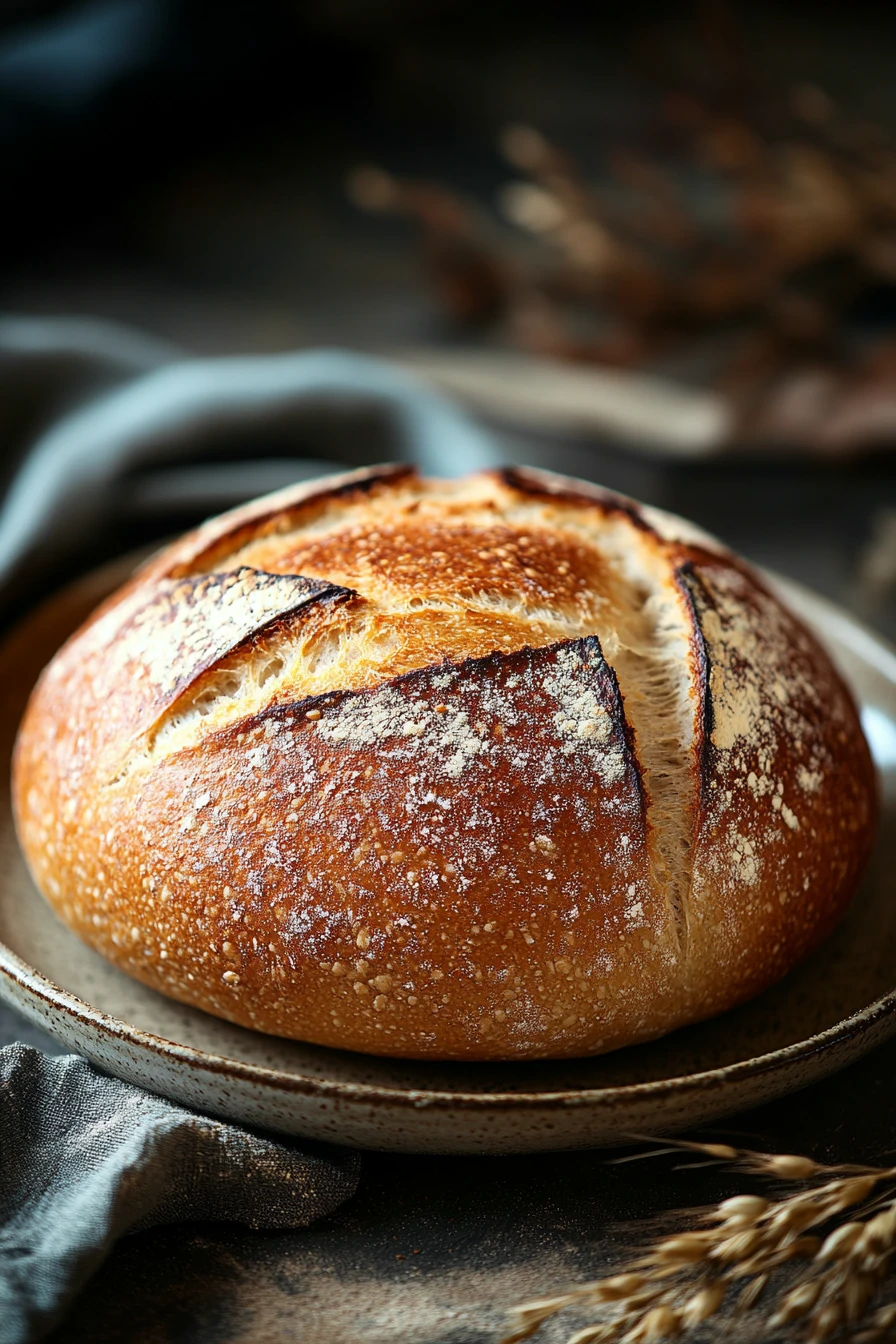

There’s something about the smell of freshly baked bread that instantly makes a house feel like home. This classic Italian bread, with its crisp crust and airy interior, always brings that warm feeling to my kitchen. One evening, I was halfway through kneading the dough when the phone rang, pulling my attention away for a few minutes. When I came back, I was worried the yeast might have lost its magic, but the dough had risen beautifully anyway. That little pause somehow made the process feel more human, more real.
The scent that fills the kitchen as it bakes is worth every minute of the wait. I usually slice a thick piece, brushing it with olive oil or dipping it into a bowl of balsamic vinegar—simple pleasures that elevate any meal. It’s funny how such a straightforward loaf can inspire so many ways to enjoy it, from sandwiches to a side for hearty pasta dishes.
- It has a satisfying contrast between a crunchy crust and a soft, light crumb inside, perfect for many uses.
- The recipe is approachable—you don’t need fancy tools, just some patience and a warm spot for rising dough.
- It’s simple—and that’s kind of the point. No complicated ingredients or steps, just honest bread.
- The crust stays crisp for a day if stored right, though I usually end up finishing it faster because it’s hard to resist.
If you’re worried about making bread for the first time, don’t be. It’s forgiving in its own way. Sometimes the dough feels a bit sticky or the shape isn’t perfect, but that just adds character. Plus, the smell and taste make up for any little imperfections.
PrintClassic Italian Bread
A traditional Italian bread with a crisp crust and soft, airy interior. Perfect for sandwiches, dipping in olive oil, or serving alongside your favorite Italian dishes.
- Prep Time: 15 minutes
- Cook Time: 30 minutes
- Total Time: 1 hour 45 minutes
- Yield: 8 1x
Ingredients
4 cups bread flour
1 1/2 teaspoons salt
1 teaspoon sugar
2 1/4 teaspoons active dry yeast (1 packet)
1 1/2 cups warm water (110°F / 43°C)
1 tablespoon olive oil
Cornmeal for dusting
Instructions
In a small bowl, dissolve the sugar and yeast in the warm water. Let it sit for 5-10 minutes until foamy.
In a large mixing bowl, combine the bread flour and salt.
Make a well in the center of the flour mixture and pour in the yeast mixture and olive oil.
Stir with a wooden spoon until a rough dough forms.
Turn the dough out onto a lightly floured surface and knead for about 10 minutes until smooth and elastic.
Place the dough in a lightly oiled bowl, cover with a clean kitchen towel, and let it rise in a warm place for about 1 hour or until doubled in size.
Preheat the oven to 450°F (230°C). Place a baking stone or inverted baking sheet in the oven to heat.
Punch down the dough and shape it into a round loaf.
Sprinkle a baking peel or another inverted baking sheet with cornmeal and place the loaf on it.
Make 3-4 diagonal slashes on the top of the loaf with a sharp knife.
Slide the loaf onto the preheated baking stone or sheet in the oven.
Bake for 25-30 minutes until the crust is golden brown and the loaf sounds hollow when tapped on the bottom.
Remove the bread from the oven and cool on a wire rack before slicing.
Don’t stress about fancy equipment here—just a sturdy baking surface and a warm place for the dough to rise. I like to serve this bread alongside a simple tomato salad or with a drizzle of good olive oil and a sprinkle of sea salt. Sometimes, I experiment by adding a handful of herbs into the dough, though results vary. Or I try shaping it into smaller rolls, but that can make timing a little tricky. Even plain, though, it’s a reliable crowd-pleaser.
FAQ
Can I make this bread ahead of time? Yes, you can prepare the dough the night before and let it rise slowly in the fridge. Just bring it back to room temperature before baking.
What if I don’t have bread flour? All-purpose flour works too, but the texture might be a bit less chewy.
How do I keep the crust crisp? Store the bread in a paper bag at room temperature, avoiding plastic to prevent sogginess.
Give this classic Italian bread a try—you might find it becoming your go-to comfort in the kitchen. Baking bread isn’t just about the loaf; it’s about the moments it creates around the table.