
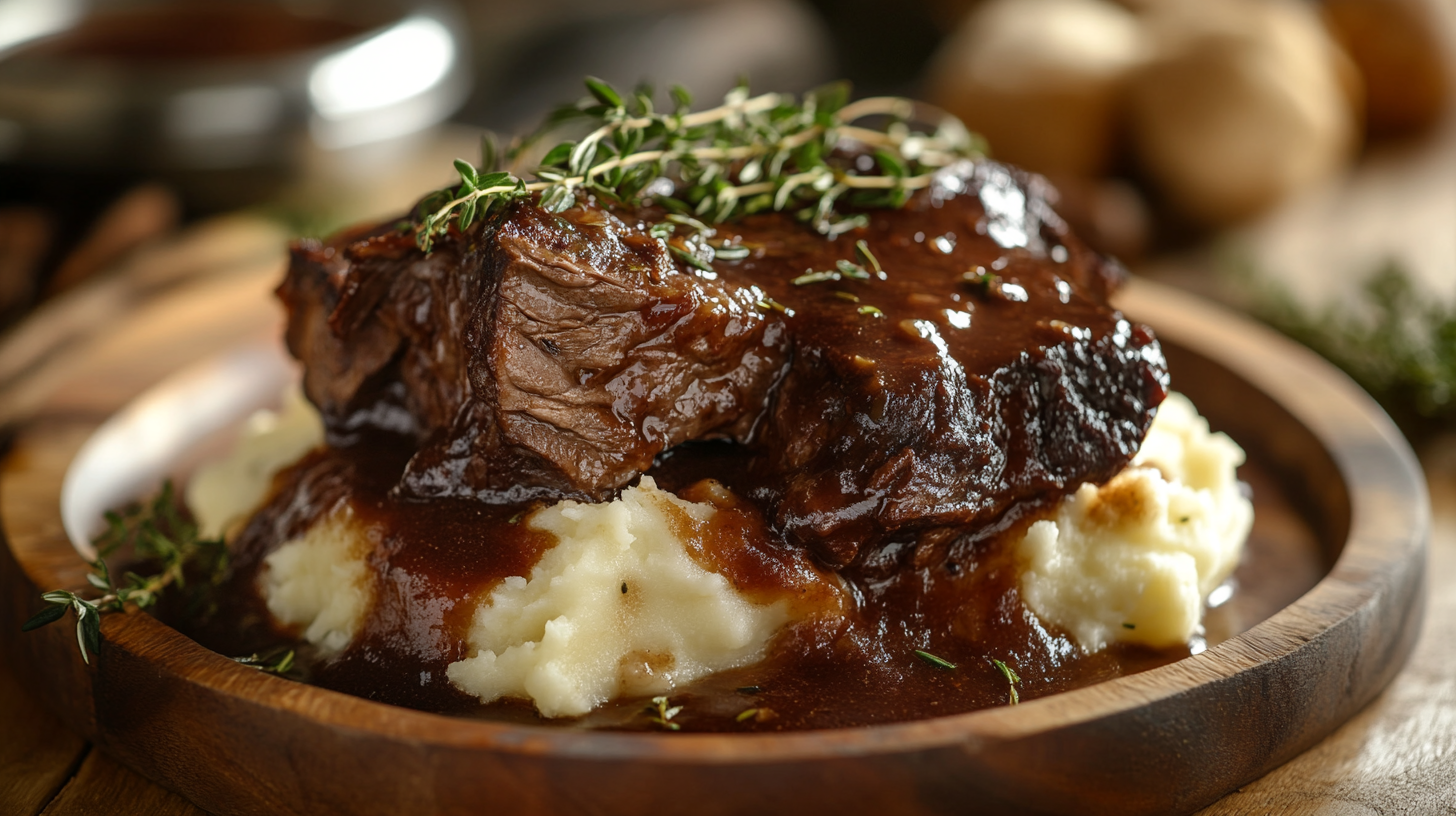

Beef cheek meat is an underrated cut that transforms into something incredibly rich, tender, and flavorful when cooked correctly. Whether you’re slow-braising it to perfection, smoking it for a BBQ twist, or shredding it for tacos, beef cheeks offer a melt-in-your-mouth experience like no other.
In this guide, we’ll explore everything you need to know about beef cheek meat—what it is, how to prepare it, the best cooking methods, delicious recipes, and expert tips for making the most of this flavorful cut.
What is Beef Cheek Meat?
Beef cheek meat comes from the facial muscles of a cow, located near the jaw. Since cows use their cheeks constantly to chew, this cut is packed with connective tissue and collagen, making it tough when raw but exceptionally tender when slow-cooked.
The Unique Texture and Flavor of Beef Cheeks
One of the most remarkable aspects of beef cheeks is their texture transformation. When cooked properly, they develop a luscious, gelatinous quality, almost like short ribs or oxtail, but with a deeper, beefier flavor.
Expect:
A buttery-soft texture after slow cooking
Rich, umami-packed beef flavor
A sticky, gelatinous mouthfeel due to collagen breakdown
Why Beef Cheek Meat is So Tender
The secret to beef cheeks’ tenderness lies in collagen. When cooked low and slow, the connective tissues break down into gelatin, creating a silky texture and locking in moisture. This process is why braised beef cheeks taste so luxurious and fall apart with a fork.
How to Prepare Beef Cheek Meat for Cooking
Before you start cooking, you need to clean, trim, and season your beef cheeks properly.
Cleaning and Trimming Beef Cheeks
Beef cheeks often come with a thin membrane and excess fat that should be removed before cooking. Here’s how to do it:
- Rinse the beef cheeks under cold water and pat them dry.
- Use a sharp knife to remove any silver skin or tough membrane on the surface.
- Trim excess fat, but leave a little for added flavor and moisture.
Pro Tip: Don’t remove all the fat—some of it will render down and enhance the dish’s richness!
Should You Marinate Beef Cheeks?
Marinating beef cheeks isn’t essential, but it can infuse more flavor into the meat before cooking. Consider a simple garlic, herb, and citrus marinade or a soy sauce-based mixture for extra depth.
Marinate for at least 4-6 hours or overnight for best results.
Best Seasonings and Spices for Beef Cheeks
Beef cheeks pair well with bold flavors. Here are some of the best seasonings:
- Salt & Black Pepper – Simple yet essential
- Garlic & Onion Powder – Enhances richness
- Smoked Paprika – Adds a subtle smokiness
- Cumin & Coriander – Perfect for barbacoa-style dishes
- Thyme & Rosemary – Ideal for braising
- Bay Leaves – Adds depth to slow-cooked recipes
“The key to perfect beef cheeks is a balance of seasoning and slow cooking—it’s all about patience!”
Best Cooking Methods for Beef Cheek Meat
Beef cheeks shine when cooked low and slow. Let’s explore the best techniques:
1. Slow Cooking: The Most Popular Method
The slow cooker is a foolproof way to achieve tender, flavorful beef cheeks. The long, gentle cooking process allows the collagen to break down, resulting in fall-apart tenderness.
Best for: Easy, hands-off cooking
Time: 6-8 hours on low
Tip: Use a rich broth or sauce to prevent drying out
2. Braising: A Rich and Flavorful Approach
Braising is the traditional method for cooking beef cheeks. It involves searing the meat first, then slow-cooking it in a flavorful liquid.
Best for: Deep, hearty flavors
Time: 3-4 hours
Tip: Use beef broth, or tomato-based sauces for extra depth
3. Smoking Beef Cheeks for a BBQ Twist
Smoking gives beef cheeks a bold, smoky flavor while keeping them juicy. The low heat and long cook time allow the connective tissues to break down gradually.
Best for: BBQ lovers
Time: 6-8 hours at 225°F (107°C)
Tip: Wrap in butcher paper halfway through to retain moisture
4. Pressure Cooking for Quick Tenderness
If you’re short on time, a pressure cooker (Instant Pot) can deliver tender beef cheeks in under 2 hours.
Best for: Fast, efficient cooking
Time: 60-90 minutes on high pressure
Tip: Let the pressure release naturally for the best texture
5 Delicious Beef Cheek Meat Recipes to Try
Now that you know how to prepare and cook beef cheeks, let’s dive into some mouthwatering recipes!
1. Slow-Braised Beef Cheeks in Rich Gravy
Tender beef cheeks braised in a savory, thick gravy made with garlic, onions, and beef broth.
2. Smoked Beef Cheeks with BBQ Sauce
Smoky, juicy, and packed with bold BBQ flavors, perfect for sandwiches or platters.
3. Mexican-Style Barbacoa Beef Cheeks
Slow-cooked with chili peppers, cumin, and lime juice, perfect for tacos or burrito bowls.
4. Beef Cheek Tacos with Pickled Onions
Shredded beef cheeks topped with zesty pickled onions and fresh cilantro, served on warm tortillas.
5. Beef Cheek Ragu Over Pappardelle Pasta
An Italian-style dish with rich tomato sauce, red peppers, and fresh herbs, perfect over pasta.
5 Delicious Beef Cheek Meat Recipes to Try
1. Slow-Braised Beef Cheeks in Rich Gravy
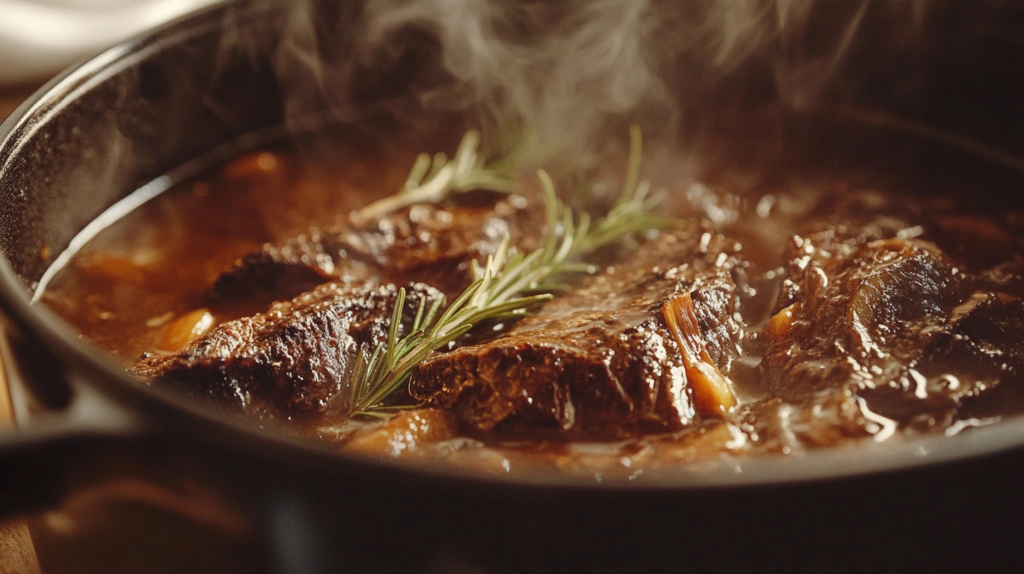
This classic braised beef cheek recipe results in fall-apart tender meat bathed in a rich, flavorful gravy. It’s perfect for serving over mashed potatoes or creamy polenta.
Ingredients:
- 2 lbs beef cheek meat, trimmed
- 2 tbsp olive oil
- 1 large onion, chopped
- 3 cloves garlic, minced
- 2 carrots, chopped
- 2 celery stalks, chopped
- 2 tbsp tomato paste
- 2 cups beef broth
- 1 tbsp Worcestershire sauce
- 1 tsp smoked paprika
- 2 sprigs fresh thyme
- 2 bay leaves
- Salt and black pepper, to taste
Instructions:
- Sear the Beef Cheeks: Heat oil in a large Dutch oven over medium-high heat. Season the beef cheeks with salt and pepper, then sear for 4 minutes per side until browned. Remove and set aside.
- Sauté the Vegetables: In the same pot, add onions, garlic, carrots, and celery. Cook until softened, about 5 minutes.
- Add Flavor: Stir in tomato paste, smoked paprika, and Worcestershire sauce. Cook for another 2 minutes.
- Slow Cook: Pour in beef broth, then add thyme and bay leaves. Return the beef cheeks to the pot. Cover and simmer on low heat for 3-4 hours until fork-tender.
- Make the Gravy: Remove the beef cheeks and blend the remaining liquid into a smooth, thick sauce. Serve the cheeks smothered in the gravy.
Serving Tip: Pair with mashed potatoes, polenta, or roasted vegetables for a hearty meal!
2. Smoked Beef Cheeks with BBQ Sauce
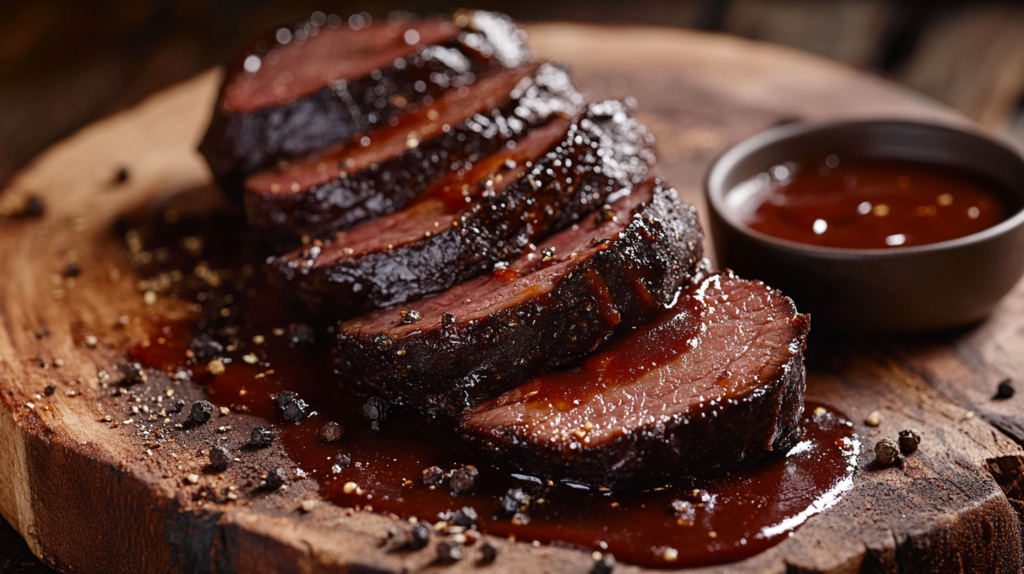
If you love BBQ, you have to try smoked beef cheeks. These develop a rich, smoky crust while staying juicy and tender inside.
Ingredients:
- 2 lbs beef cheek meat, trimmed
- 2 tbsp yellow mustard (as a binder)
- 3 tbsp BBQ rub (salt, black pepper, smoked paprika, garlic powder)
- 1/2 cup apple cider vinegar (for spritzing)
- 1/2 cup BBQ sauce (for glazing)
Instructions:
- Prepare the Beef Cheeks: Rub mustard over the beef cheeks, then coat generously with the BBQ rub. Let sit at room temperature for 30 minutes.
- Preheat Smoker: Set smoker to 225°F (107°C) using wood chips like oak or hickory.
- Smoke the Meat: Place beef cheeks on the smoker. Smoke for 3 hours, spritzing with apple cider vinegar every hour.
- Wrap and Continue Cooking: Wrap the cheeks in butcher paper and return to the smoker for another 3-4 hours, until internal temp reaches 203°F (95°C).
- Glaze with BBQ Sauce: Unwrap, brush with BBQ sauce, and smoke for another 20 minutes.
- Rest and Serve: Let the meat rest for 20 minutes before slicing or shredding.
Serving Tip: Serve with coleslaw, cornbread, or mac and cheese for a complete BBQ feast!
3. Mexican-Style Barbacoa Beef Cheeks
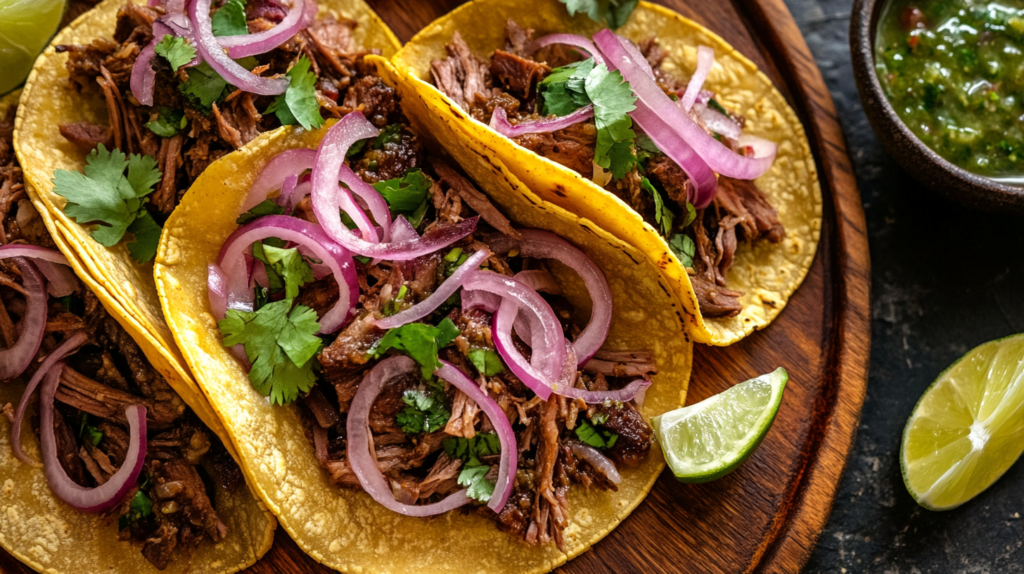
Mexican barbacoa-style beef cheeks are spicy, juicy, and full of bold flavors. Perfect for tacos, burritos, or rice bowls!
Ingredients:
- 2 lbs beef cheek meat
- 2 tbsp oil
- 1 onion, chopped
- 3 garlic cloves, minced
- 2 dried guajillo chilies, soaked and blended
- 1 chipotle pepper in adobo sauce
- 1 tsp cumin
- 1 tsp oregano
- Juice of 1 lime
- 1/2 cup beef broth
- Salt and pepper to taste
Instructions:
- Sear the Meat: Heat oil in a pan. Sear beef cheeks on both sides for 3-4 minutes, then remove.
- Cook the Aromatics: In the same pan, sauté onions and garlic until softened.
- Blend the Sauce: Blend soaked guajillo chilies, chipotle, cumin, oregano, lime juice, and beef broth into a smooth sauce.
- Slow Cook: Pour the sauce over the beef cheeks in a slow cooker. Cook on low for 6-8 hours.
- Shred and Serve: Once tender, shred the beef and mix it with the sauce.
Serving Tip: Serve with corn tortillas, fresh cilantro, and pickled onions for the best tacos ever!
4. Beef Cheek Tacos with Pickled Onions
These street-style tacos feature juicy beef cheeks topped with tangy pickled onions.
Ingredients:
- 2 lbs beef cheeks
- 1 tbsp chili powder
- 1 tsp garlic powder
- 1 tsp cumin
- 1 tsp salt
- 8 small corn tortillas
- 1/2 cup pickled red onions
- Fresh cilantro and lime wedges
Instructions:
- Season and Cook the Beef Cheeks: Rub beef cheeks with chili powder, garlic powder, cumin, and salt. Slow cook for 6 hours until tender.
- Shred the Meat: Once soft, shred the meat using two forks.
- Warm the Tortillas: Heat corn tortillas on a dry skillet until soft and lightly charred.
- Assemble the Tacos: Add shredded beef to each tortilla, then top with pickled onions, fresh cilantro, and a squeeze of lime.
Serving Tip: Add salsa verde or avocado slices for extra flavor!
5. Beef Cheek Ragu Over Pappardelle Pasta
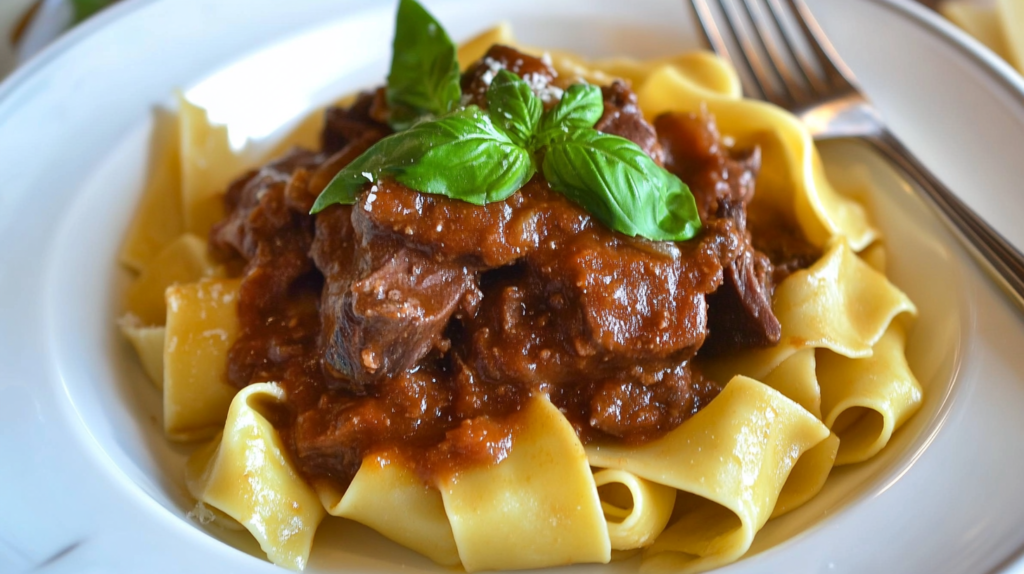
This rich, slow-cooked ragu pairs perfectly with wide pappardelle noodles.
Ingredients:
- 2 lbs beef cheek meat
- 2 tbsp olive oil
- 1 onion, chopped
- 3 garlic cloves, minced
- 1 can crushed tomatoes (14 oz)
- 2 tbsp tomato paste
- 1 cup beef broth
- 1 tsp dried oregano
- 1/2 tsp red pepper flakes
- Salt and pepper to taste
- 12 oz pappardelle pasta
- Fresh basil for garnish
Instructions:
- Sear the Beef: Heat oil in a large pan. Sear the beef cheeks for 3 minutes per side, then remove.
- Sauté the Aromatics: Add onions and garlic, cooking until soft. Stir in tomato paste and cook for another 2 minutes.
- Simmer: Add crushed tomatoes, beef broth, oregano, and red pepper flakes. Return the beef to the pan, cover, and simmer for 3-4 hours until tender.
- Shred the Meat: Once done, shred the beef and mix it back into the sauce.
- Cook the Pasta: Boil pappardelle pasta, then toss it with the ragu.
Serving Tip: Top with fresh basil and grated Parmesan for an Italian-style feast!
Common Problems and Solutions When Cooking Beef Cheeks
Even though beef cheeks are one of the most delicious and tender cuts when cooked properly, they can sometimes be tricky to get right. Let’s tackle the most common problems and how to solve them.
1. Why is My Beef Cheek Meat Tough?
Possible Causes:
- Undercooking: Beef cheeks need low and slow cooking to break down their tough connective tissue.
- High Heat: Cooking them too fast at high temperatures results in a chewy texture.
- Not Enough Moisture: Beef cheeks need liquid to help soften the collagen.
How to Fix It:
Keep cooking! If your beef cheeks are still tough, they just need more time. Continue slow cooking or braising until fork-tender.
Use enough liquid. Always cook beef cheeks in broth, sauce, or marinade to help tenderize them.
Check the temperature. The internal temperature should reach 203°F (95°C) for perfect tenderness.
“If your beef cheeks are tough, the solution is simple—just cook them longer!”
2. How to Fix an Overly Salty Beef Cheek Dish
Possible Causes:
- Adding too much salt while seasoning or during cooking.
- Using salty broth or sauces without adjusting for extra salt.
How to Fix It:
Dilute the dish. Add more unsalted broth, water, or tomatoes to balance out the salt.
Add acidity. A splash of lemon juice or vinegar can help cut through excessive saltiness.
Serve with a neutral side. Pair with mashed potatoes, rice, or polenta to mellow the salt.
3. What to Do If Your Beef Cheeks Are Too Dry
Possible Causes:
- Overcooking the beef cheeks or not enough liquid in the cooking process.
- Cooking uncovered for too long, allowing moisture to evaporate.
How to Fix It:
Shred the beef and mix it with sauce. If the meat is dry, break it apart and let it soak up some broth or gravy.
Reheat gently. When reheating, add a little broth and cover with foil to keep moisture in.
Baste while cooking. When slow cooking, spoon sauce over the meat occasionally to keep it juicy.
Pro Tip: Cooking beef cheeks covered (with a lid or foil) prevents moisture loss and keeps them succulent.
4. Why Does My Beef Cheek Meat Taste Bland?
Possible Causes:
- Not seasoning enough before cooking.
- Skipping searing, which adds depth of flavor.
- Using weak broth instead of a rich sauce.
How to Fix It:
Season generously. Don’t be afraid to use bold spices and herbs.
Sear the meat. Always brown beef cheeks before braising for maximum flavor.
Use flavorful liquids. Beef broth, tomato sauce, or even a touch of soy sauce can enhance richness.
5. How to Store and Reheat Beef Cheek Meat
Refrigeration and Freezing Tips
- Store cooked beef cheeks in an airtight container in the fridge for up to 4 days.
- To freeze, place the beef (with some sauce or broth) in a freezer-safe container for up to 3 months.
Best Way to Reheat Without Drying Out
Stovetop: Heat in a pan with a little broth over low heat until warmed through.
Oven: Place in a covered dish at 300°F (150°C) for about 20 minutes.
Microwave (last resort): Use a microwave-safe dish, add some liquid, and heat in 30-second bursts, stirring in between.
Serving Suggestions: What Goes Well with Beef Cheeks?
Beef cheek meat is incredibly rich and flavorful, so pairing it with the right sides and sauces elevates the entire dish. Whether you’re making braised beef cheeks, tacos, or ragu, here are the best ways to serve them.
1. Best Side Dishes for Beef Cheek Meat
The right side dish should balance the richness of the beef cheeks. Here are some great options:
For Braised Beef Cheeks
- Mashed Potatoes – Creamy and buttery, perfect for soaking up the sauce.
- Polenta – A soft, cheesy polenta pairs beautifully with tender beef cheeks.
- Roasted Vegetables – Carrots, Brussels sprouts, or parsnips add a nice contrast.
- Rice or Quinoa – A neutral grain helps absorb all the delicious juices.
For Smoked or BBQ Beef Cheeks
- Cornbread – A slightly sweet contrast to smoky flavors.
- Coleslaw – A crunchy, tangy slaw cuts through the richness.
- Mac and Cheese – Creamy, cheesy, and indulgent!
- Pickled Vegetables – Adds acidity to balance out the deep beef flavor.
For Mexican-Style Beef Cheeks (Barbacoa or Tacos)
- Warm Corn Tortillas – Essential for making tacos.
- Black Beans – A simple but tasty side.
- Mexican Rice – Adds color and flavor to your plate.
- Grilled Street Corn (Elote) – Smoky, creamy, and slightly spicy.
Pro Tip: When serving beef cheeks, always have a fresh, acidic side (like pickled onions or a lemony salad) to keep the dish balanced.
2. Pairing Beef Cheeks with the Right Sauces
A great sauce can enhance and complement beef cheeks. Here are some amazing choices:
BBQ Sauce – Sweet and smoky, perfect for smoked beef cheeks.
Chipotle Adobo Sauce – Spicy and bold for barbacoa-style dishes.
Tomato-Based Ragu Sauce – Ideal for Italian-style beef cheek pasta.
Chimichurri – A fresh, herby contrast to heavy dishes.
3. Plating Ideas for an Impressive Presentation
Beef cheeks may not be the prettiest cut, but with the right plating, they can look gourmet! Here’s how to serve them beautifully:
Rustic Home-Style Plating
- Place braised beef cheeks on a bed of mashed potatoes and drizzle with sauce.
- Add roasted veggies on the side for a colorful touch.
- Garnish with fresh herbs like parsley or thyme.
Elegant Restaurant-Style Plating
- Serve beef cheeks on a pool of smooth polenta.
- Use a spoon to create an artistic sauce drizzle.
- Top with crispy fried onions or microgreens for texture.
Taco or Street-Food Plating
- Serve shredded beef cheeks in warm tortillas with toppings.
- Arrange tacos on a wooden board with lime wedges and salsa.
- Garnish with radishes, pickled onions, and fresh cilantro.
Pro Tip: Always use contrasting textures (creamy, crispy, fresh) to make the dish more exciting!
Final Thoughts on Cooking Beef Cheek Meat
Beef cheek meat is one of the most underrated yet incredibly flavorful cuts of beef. When cooked properly, it transforms into melt-in-your-mouth tenderness with a deep, rich taste. Whether you’re braising, smoking, or shredding for tacos, beef cheeks make for a delicious and satisfying meal.
Quick Recap:
Slow cooking is key—let the collagen break down for perfect tenderness.
Pair it with the right sides and sauces to balance the richness.
Store and reheat carefully to keep beef cheeks moist and delicious.
Try different recipes—braised, BBQ, tacos, ragu—the possibilities are endless!
“If you haven’t cooked beef cheek meat yet, you’re missing out on one of the most flavorful and satisfying cuts of beef!”
Frequently Asked Questions About Beef Cheek Meat
1. What does beef cheek meat taste like?
Beef cheek meat has a rich, deep beef flavor with a buttery, melt-in-your-mouth texture when cooked properly. It tastes similar to short ribs or oxtail, but with even more collagen, making it extra silky and tender.
2. Where can I buy beef cheek meat?
You can find beef cheek meat at:
Local butcher shops – They often carry specialty cuts.
Online meat suppliers – Many online stores sell high-quality beef cheeks.
Latin American or Asian markets – These often stock beef cheeks for barbacoa-style cooking.
Restaurant supply stores – If you need a larger quantity, check wholesale markets.
Pro Tip: When buying beef cheeks, ask the butcher to trim excess fat and silver skin for you!
3. Can I cook beef cheeks in an Instant Pot or pressure cooker?
Yes! Beef cheeks can be cooked in a pressure cooker (Instant Pot) in about 60-90 minutes on high pressure. This method is great for when you want tender beef cheeks in less time. Just be sure to let the pressure release naturally for the best texture.
4. How do I know when beef cheeks are done cooking?
Beef cheeks are ready when they’re fork-tender and can be easily pulled apart. The ideal internal temperature should be around 203°F (95°C). If they are still tough, they need more time—just keep cooking!
5. Can I freeze cooked beef cheeks?
Absolutely! To freeze cooked beef cheeks:
- Let them cool completely.
- Store in an airtight container with some sauce or broth.
- Freeze for up to 3 months.
To reheat, thaw overnight in the fridge and warm them gently in a pan with some broth to keep them moist.
6. What’s the best way to reheat beef cheek meat?
The best way to reheat beef cheeks without drying them out is to:
Heat in a pan with a little broth or sauce over low heat.
Cover and bake in the oven at 300°F (150°C) for about 20 minutes.
Microwave with a bit of sauce, covered, in short 30-second bursts.
Avoid reheating at high heat, as this can make the meat dry or tough.
7. What are the best substitutes for beef cheek meat?
If you can’t find beef cheeks, try these cuts:
Short Ribs – Similar in richness and texture.
Oxtail – Has a gelatinous, fall-apart consistency.
Chuck Roast – A budget-friendly alternative for slow cooking.
Brisket – Works well for braising or smoking.