
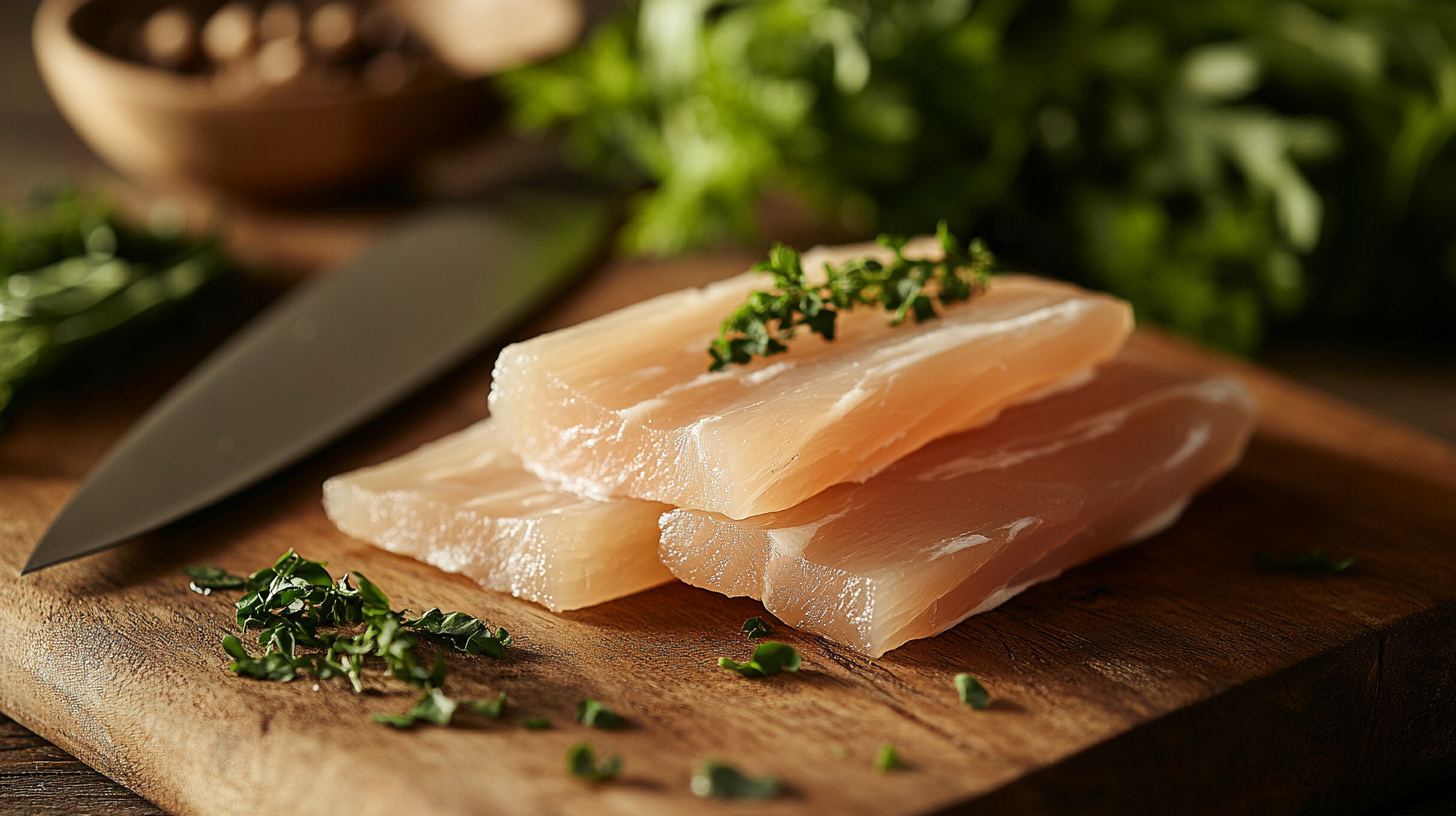

When you think of beef, cuts like steak, brisket, or ribs probably come to mind first. But have you ever tried this collagen-rich cut? It’s a staple in many Asian cuisines and is packed with nutrition and flavor. Whether slow-braised, added to soups, or fried to crispy perfection, this underrated ingredient is a delicacy worth exploring.
In this guide, we’ll dive deep into everything you need to know about collagen-rich cuts, from their unique texture to the best ways to cook them. Plus, we’ll cover their health benefits, common cooking mistakes, and delicious recipes you can try at home.
What Is Beef Tendon?
This connective tissue is typically taken from the legs or heels of cows. Unlike muscle cuts, it’s composed mostly of collagen and elastin, giving it a chewy and gelatinous texture when cooked properly.
The Unique Texture and Taste of This Ingredient
If you’ve never eaten a collagen-rich cut before, imagine a texture similar to soft, gelatinous noodles when slow-cooked. It becomes tender and slightly sticky, almost melting in your mouth. The taste itself is mild, allowing it to absorb the flavors of broths, sauces, and seasonings.
This cut is especially prized in Chinese, Vietnamese, Japanese, and Thai cuisine. Here’s how different cultures use it:
Beef tendon is especially prized in Chinese, Vietnamese, Japanese, and Thai cuisine. Here’s how different cultures use it:
- China – Slow-braised with soy sauce, star anise, and spices.
- Vietnam – Added to pho (Vietnamese noodle soup) for extra richness.
- Japan – Served as gyusuji nikomi, a tendon stew simmered in miso or soy sauce.
- Thailand – Deep-fried or cooked into rich curries.
Aside from Asia, this ingredient is also used in some Mexican and Italian dishes, usually in stews or slow-cooked dishes.
Health Benefits of This Connective Tissue
If you’re looking for a nutritious yet low-fat protein source, collagen-rich cuts are an excellent choice. Let’s explore their health benefits.
Collagen and Digestibility: One of the standout benefits of this cut is its high collagen content. When slow-cooked, collagen transforms into gelatin, which is more easily absorbed by the body. This process helps repair tissues, improve skin elasticity, and promote joint lubrication.
Joint Health and Mobility: Many athletes and older adults incorporate this dish into their diet for joint recovery and mobility support. Gelatin contains amino acids like glycine and proline, which help maintain cartilage structure and reduce joint inflammation.
Gut Health and Digestion: Collagen also plays a crucial role in gut health. Gelatin forms a protective layer in the digestive tract, which may aid in reducing inflammation, leaky gut symptoms, and digestive discomfort.
Is Beef Tendon Good for You? Nutritional Facts
A 100g serving of cooked collagen-rich cuts provides:
- Protein: Around 30g
- Fat: Less than 1g
- Collagen: High amounts, which support skin and joint health
- Calories: Around 150 kcal
- Carbohydrates: 0g (great for keto and low-carb diets)
Collagen and Protein: How This Cut Supports Skin and Joint Health
Since this ingredient is rich in collagen, it helps:
- Improve skin elasticity and reduce wrinkles.
- Support joint health by maintaining cartilage.
- Strengthen hair and nails.
Many athletes and fitness enthusiasts love this cut because it supports joint recovery and overall mobility.
Low in Fat but High in Flavor: A Healthy Meat Alternative
Unlike fatty beef cuts, tendon has almost no fat, making it a leaner alternative. This makes it an excellent ingredient for low-calorie and high-protein meals.
How to Prepare and Cook Beef Tendon
Cooking this collagen-rich meat might seem intimidating if you’ve never worked with it before. However, with the right techniques, you can turn this tough connective tissue into a tender, melt-in-your-mouth delight.
Where to Buy Beef Tendon (Butcher, Grocery Store, or Online?)
Beef tendon is not as commonly available as steak or ground beef, but you can usually find it at:
- Asian grocery stores – Look for it in the meat or frozen section.
- Local butcher shops – Some butchers sell it upon request.
- Online meat suppliers – Specialty meat retailers often ship frozen beef tendon.
Tip: If you’re buying fresh tendon, look for firm, white, or slightly yellowish tendons with minimal odor.
How to Clean and Trim This Cut Properly
Since this connective tissue has a lot of fibrous tissue and a slippery surface, proper cleaning is essential. Here’s how:
- Rinse thoroughly under cold water to remove any surface impurities.
- Blanch the tendon in boiling water for 5 minutes to remove excess blood and debris.
- Trim off any excess fat or tough parts with a sharp knife (optional).
The Best Cooking Methods for Beef Tendon
Beef tendon is extremely tough when raw and requires long cooking times to break down properly. Here are the best methods:
1. Slow Cooking (Best for Braised Dishes)
- Cooking time: 6–8 hours
- Temperature: Low and slow (190–200°F or 90–95°C)
- Best for: Rich, flavorful dishes like braised tendon in soy sauce
How to Do It:
- Place the meat in a slow cooker.
- Add aromatics like garlic, ginger, soy sauce, and star anise.
- Cover with water or broth and let it cook until soft and gelatinous.
2. Pressure Cooking (Fastest Method)
- Cooking time: 45–60 minutes
- Best for: Tender tendon in a fraction of the time
How to Do It:
- Add this cut to a pressure cooker with broth and seasonings.
- Cook under high pressure until fork-tender.
Tip: If you’re making this for pho, pressure cooking is the quickest way to get fall-apart tenderness.
3. Braising (Traditional Asian Method)
- Cooking time: 3–4 hours
- Best for: Soy sauce braised tendon or curries
How to Do It:
- Sear the beef tendon in a pan.
- Add a flavorful broth (soy sauce, star anise, ginger).
- Let it simmer on low heat until gelatinous.
4. Deep-Frying (For Crispy Beef Tendon)
- Cooking time: Quick fry after pre-cooking
- Best for: Crispy snacks
How to Do It:
- Pre-boil the tendon until tender.
- Chill, slice, and deep-fry at 375°F (190°C) until crispy.
Delicious Recipes to Try
Now that you know how to prepare and cook this ingredient, it’s time to put that knowledge to use! Here are three must-try recipes, from a rich braised dish to a comforting soup and even a crispy snack.
1. Classic Asian-Style Braised Beef Tendon
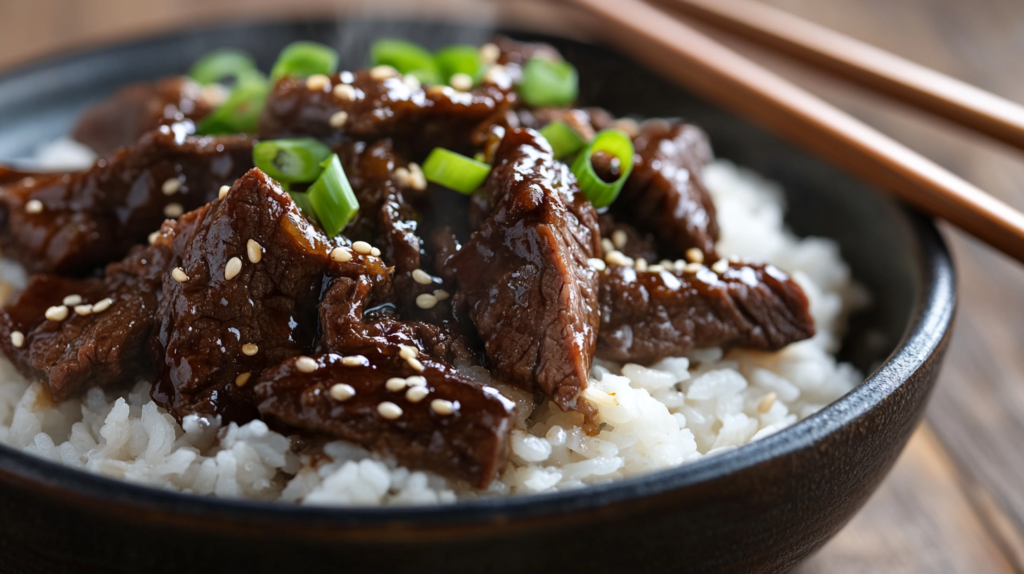
This soy-braised cut is packed with umami flavors and melts in your mouth. It’s perfect with rice or noodles!
Ingredients:
- 1 lb beef tendon, cleaned and cut into pieces
- 2 tbsp oil
- 4 cloves garlic, minced
- 1-inch ginger, sliced
- 3 tbsp soy sauce
- 2 tbsp oyster sauce
- 1 tbsp sugar
- 2 star anise
- 1 cinnamon stick
- 1 cup beef broth
- 1/2 cup water
- Green onions for garnish
Instructions:
- Heat oil in a pot and sauté garlic and ginger until fragrant.
- Add the meat and sear for 2–3 minutes.
- Pour in soy sauce, oyster sauce, sugar, star anise, and cinnamon stick.
- Add beef broth and water, then bring to a boil.
- Lower heat and simmer for 3–4 hours until the tendon is soft and gelatinous. (For faster cooking, use a pressure cooker for 45 minutes.)
- Garnish with green onions and serve hot!
Tip: Serve over steamed jasmine rice or egg noodles for a satisfying meal.
2. Soup (Vietnamese-Style)
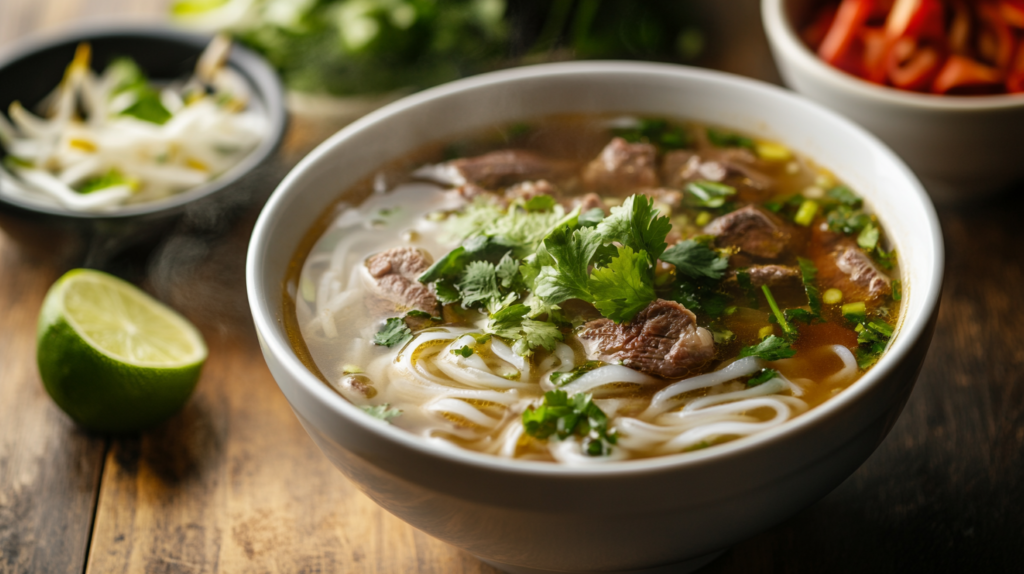
This comforting soup is inspired by Vietnamese pho and is packed with deep, rich flavors.
Ingredients:
- 1 lb beef tendon, cleaned
- 6 cups beef broth
- 1 onion, halved
- 1-inch ginger, sliced
- 2 cloves garlic, crushed
- 2 star anise
- 1 cinnamon stick
- 1 tbsp fish sauce
- 1 tsp salt
- Rice noodles (optional)
- Fresh cilantro and green onions for garnish
Instructions:
- Boil the connective tissue in water for 5 minutes to remove impurities, then drain.
- In a large pot, add beef broth, onion, ginger, garlic, star anise, and cinnamon stick.
- Add the beef tendon and simmer for 3–4 hours until soft. (Or pressure cook for 45 minutes.)
- Season with fish sauce and salt.
- Serve hot, with noodles or as a broth-based soup, garnished with cilantro and green onions.
Tip: Add thinly sliced beef or meatballs for a heartier meal.
3. Crispy Fried Variation
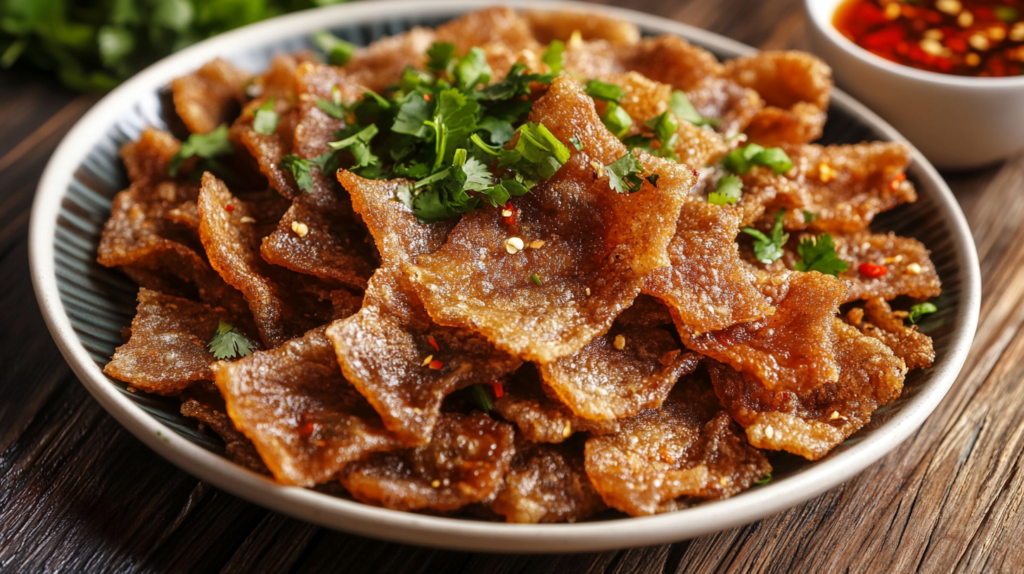
If you love crispy snacks, this deep-fried recipe is for you!
If you love crispy snacks, this deep-fried recipe is for you!
- 1 lb beef tendon, pre-cooked and chilled
- 1/2 cup cornstarch
- 1/2 tsp salt
- 1/2 tsp black pepper
- Oil for deep-frying
Instructions:
- Pre-boil it until tender (about 3 hours).
- Chill in the fridge for at least 2 hours, then slice into thin strips.
- Coat the slices in cornstarch, salt, and pepper.
- Heat oil to 375°F (190°C) and deep-fry until golden and crispy.
- Drain on paper towels and serve hot.
Tip: Enjoy with a dipping sauce like spicy mayo or soy sauce with chili!
Common Problems and Solutions When Cooking
Cooking this collagen-rich cut can be tricky, especially if you’re unfamiliar with its unique texture. Here are some common issues people face and how to fix them.
Why Low & Slow Works Best: One of the biggest mistakes people make when cooking this cut is using high heat for a short time. This results in tough, rubbery pieces that are difficult to chew. The best approach is slow-cooking at low temperatures so the connective tissue gradually softens, creating a smooth, gelatinous texture.
Flavor-Boosting Tips: Since this dish has a mild taste, it absorbs broth, sauces, and spices well. To enhance flavor, try marinating it overnight before cooking, or adding umami-rich ingredients like shiitake mushrooms, miso, or fermented bean paste during cooking.
My Dish Is Too Tough!
Why it happens:
- It hasn’t been cooked long enough.
- The heat was too high, making the outer layer tough before the inside softened.
How to fix it:
- Keep cooking it longer! Beef tendon needs at least 3–4 hours of slow simmering or 45–60 minutes in a pressure cooker to break down properly.
- Use low heat for simmering to allow the collagen to soften gradually.
Tip: If your tendon is still chewy, add 30–60 more minutes of cooking time.
My Dish Is Too Slimy!
Why it happens:
- The tendon wasn’t properly cleaned before cooking.
- The outer layer of connective tissue didn’t break down completely.
How to fix it:
- Always blanch the tendon in boiling water for 5 minutes before cooking to remove excess proteins and impurities.
- If the tendon is still slimy after cooking, rinse it under warm water before serving.
My Dish Is Falling Apart Too Much!
Why it happens:
- It was overcooked, causing it to become too soft.
- The tendon was cut into small pieces before cooking instead of after.
How to fix it:
- Cook tendon whole and slice it after cooking to maintain its shape.
- If using a pressure cooker, reduce the cooking time to 45 minutes instead of 60.
Tip: If you want firm yet tender tendon, cook it just until a fork can go through, but not so much that it falls apart.
How to Store and Reheat
Since this ingredient takes a long time to cook, it’s a good idea to make extra and store it for later. Here’s how to do it properly.
Vacuum-Sealing for Better Freezing: If you want to preserve this dish for longer, vacuum-sealing is the best option. It removes air, preventing freezer burn and maintaining texture and flavor. Simply place portions in vacuum-seal bags before freezing.
Best Storage Containers: When storing leftovers in the fridge, use glass containers instead of plastic. Glass helps retain moisture, prevents odor absorption, and is safer for reheating.
Meal-Prep Ideas with Leftovers: Leftovers can be repurposed into quick meals. Toss sliced pieces into stir-fries, noodle dishes, or rice bowls for added flavor and texture. You can also blend it into bone broths for extra nutrition.
Can You Freeze Cooked Beef Tendon?
Yes! This cut freezes well and can last up to 3 months in the freezer.
How to freeze:
- Let the cooked tendon cool completely.
- Store in an airtight container or freezer bag.
- Label with the date and freeze.
Tip: Freeze tendon with some of its broth to prevent it from drying out.
The Best Way to Reheat Beef Tendon Without Losing Texture
This slow-cooked collagen-rich meat can become too soft or rubbery if not reheated properly. Here’s the best method:
For soups and braised tendon:
- Reheat in a pot over low heat, adding a bit of broth or water.
- Stir occasionally and warm until just heated through (about 10 minutes).
For crispy fried beef tendon:
- Reheat in an air fryer at 350°F (175°C) for 3–5 minutes or in a pan with a little oil.
Tip: Avoid microwaving tendon, as it can become chewy and rubbery!
If you’ve never cooked with it before, now’s the perfect time to start. It’s an affordable, flavorful, and nutrient-packed ingredient that transforms beautifully when cooked properly.
If you’ve never cooked beef tendon before, now’s the perfect time to start. It’s an affordable, flavorful, and nutrient-packed ingredient that transforms beautifully when cooked properly. Whether you’re making braised beef tendon, a rich soup, or crispy fried snacks, this cut brings a unique texture and deep umami flavor to your meals.
Conclution: Why You Should Give Beef Tendon a Try:
High in collagen – Great for skin, joints, and overall health.
Low in fat but rich in protein – A great alternative to fatty meats.
Affordable and budget-friendly – A little goes a long way.
Absorbs flavors well – Perfect for soups, stews, and Asian dishes.
Freezer-friendly – Cook once and enjoy multiple meals.
Cooking requires patience, but the results are absolutely worth it. If you’re a fan of slow-cooked, melt-in-your-mouth dishes, this ingredient is a game-changer.
“Good food takes time, and beef tendon is a perfect example of how patience in the kitchen leads to extraordinary flavors.”
Happy cooking!
Frequently Asked Questions About Beef Tendon
1. Is beef tendon healthy to eat?
Yes! Beef tendon is high in collagen and protein while being low in fat, making it great for joint health, skin elasticity, and overall well-being. It’s also carb-free, making it ideal for keto and low-carb diets.
2. How long does it take to cook beef tendon?
Cooking times vary depending on the method:
- Slow simmering: 3–4 hours
- Pressure cooker: 45–60 minutes
- Slow cooker: 6–8 hours on low heat
The key is low and slow cooking to break down the tough connective tissue.
3. Can I cook beef tendon in an air fryer?
Not raw! Since beef tendon is very tough, it needs to be boiled or braised first. However, you can use an air fryer to crisp up pre-cooked beef tendon for a crunchy snack.
4. Does beef tendon have a strong taste?
No, beef tendon has a very mild flavor. It absorbs whatever seasoning or sauce you cook it in, making it perfect for soups, stews, and braised dishes.
5. Can I freeze cooked beef tendon?
Yes! Store it in an airtight container with some broth and freeze for up to 3 months. To reheat, simmer in broth or use a steamer for the best texture.
6. What dishes can I make with beef tendon?
Popular dishes include:
- Braised beef tendon (soy sauce-based or spicy)
- Beef tendon soup (like Vietnamese pho)
- Crispy fried beef tendon (deep-fried or air-fried)
- Beef tendon curry (Japanese or Thai style)
7. Where can I buy beef tendon?
You can find beef tendon at:
- Asian grocery stores (fresh or frozen)
- Local butchers (ask for it!)
- Online meat suppliers