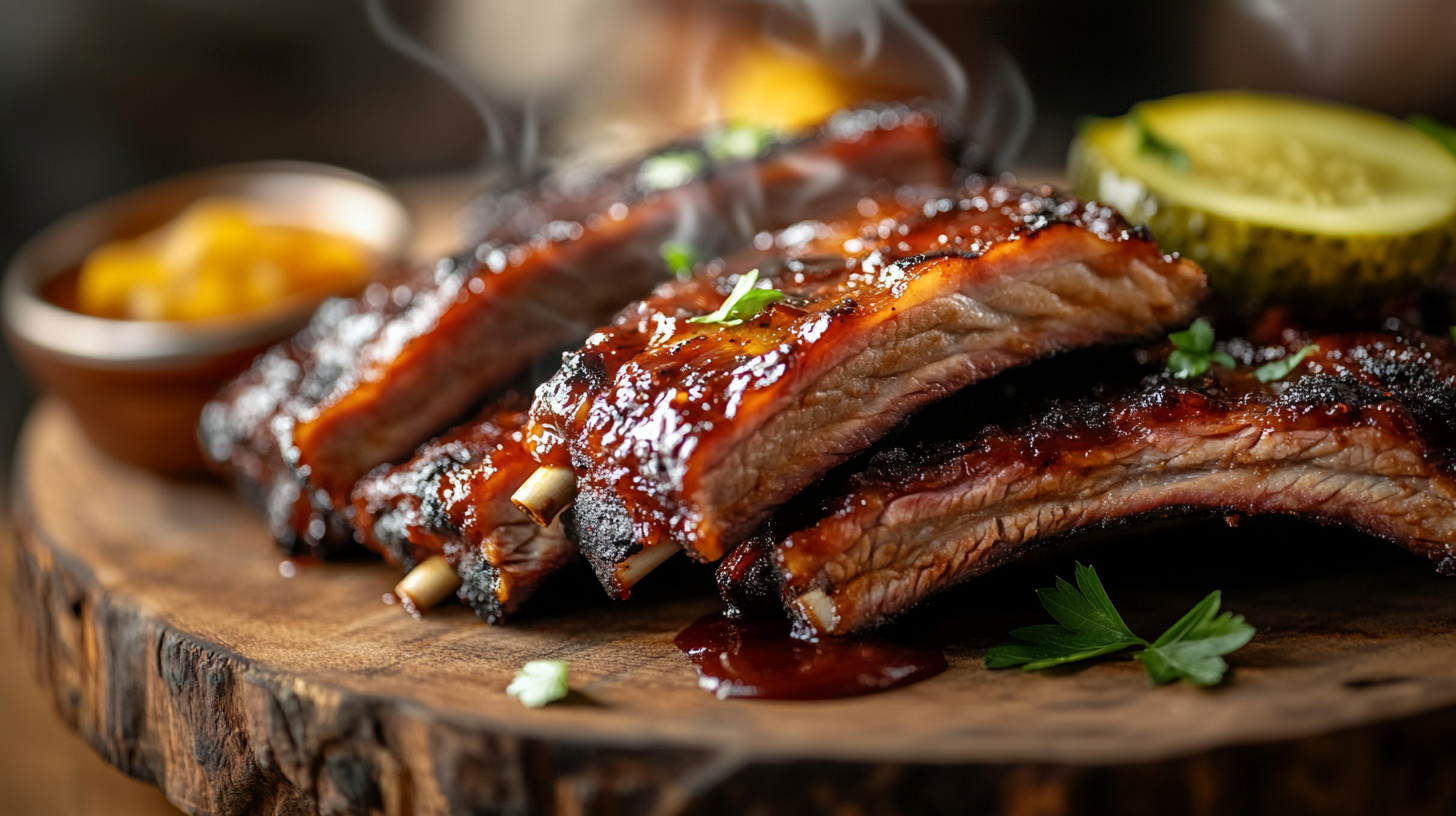

If you’re hunting for a smoked beef back ribs recipe that actually delivers that mouthwatering, smoky tenderness without hours of stress — you’re in the right place. I’ve tried countless versions, and this one finally hits all the marks. Whether you’re a backyard BBQ fanatic or a weekend grill warrior, this recipe will make your ribs the talk of the neighborhood. Let’s dive into everything you need to know to master the art of smoking beef back ribs to juicy, fall-off-the-bone perfection.
Plus, you don’t need to be a pro to pull it off. With the right tools, some tried-and-true technique, and the best cut of ribs you can find, this smoked beef back ribs recipe is easy to follow and hard to mess up. If you’re ready for deep flavor, killer bark, and seriously satisfying results, let’s fire it up.
Why This Smoked Beef Back Ribs Recipe Is a Game-Changer
So what makes this smoked beef back ribs recipe so special? Simple — it’s all about flavor, technique, and timing. We’re not just rubbing some spices on meat and throwing it in a smoker. We’re crafting layers of deep, smoky richness and caramelized crust that lock in the juices. This recipe isn’t rushed or overly complicated, and it doesn’t rely on alcohol or wine like some do — just clean, bold ingredients.
What sets these ribs apart is the low and slow cooking process combined with a simple, flavor-packed dry rub that enhances the meat without overpowering it. And if you’re into other smoky goodness, you might want to explore this roundup of 15 irresistible smoked beef recipes for your next BBQ adventure.
What Are Beef Back Ribs? Know Your Cut
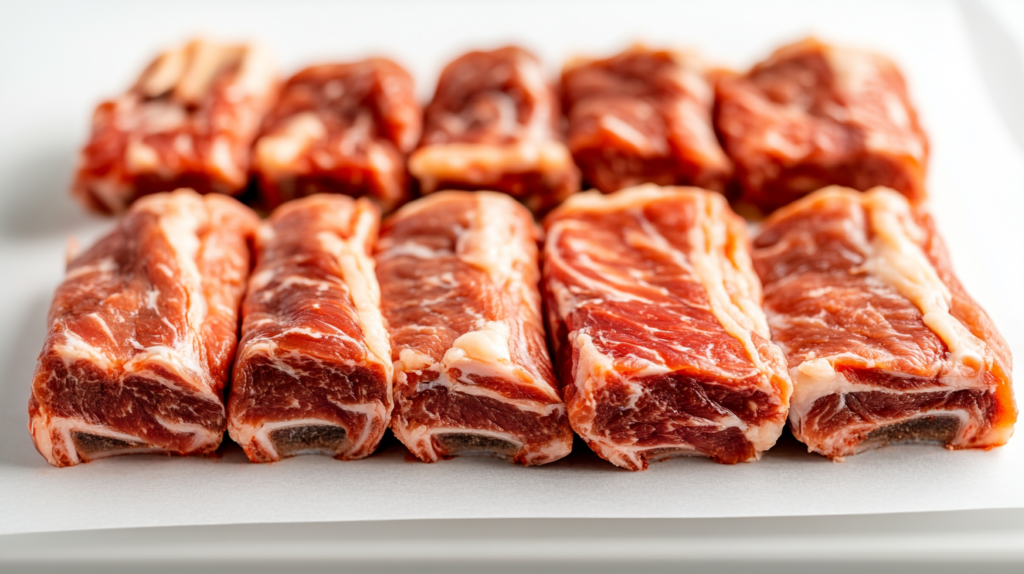
Before we get to the nitty-gritty of this smoked beef back ribs recipe, let’s clarify what beef back ribs actually are. These come from the same primal section as prime rib roast — the rib section. After the butcher removes the ribeye roast, the remaining bones are what we call “beef back ribs.” Unlike short ribs, which are meatier but tougher, back ribs are leaner with rich, deep flavor that’s perfect for smoking.
One major tip: always pick beef back ribs with the most meat possible still attached to the bones. Some racks can be all bone with barely any meat, and that’s just not worth the effort.
Essential Tools for Perfectly Smoked Beef Back Ribs
Now let’s talk tools. You don’t need a fancy smoker or a ton of expensive gear for this smoked beef back ribs recipe, but having the right essentials can make a world of difference:
- Smoker or grill with indirect heat setup (pellet smokers work great)
- Meat thermometer to nail internal temp
- Sharp knife for trimming
- Spray bottle for apple cider vinegar or broth spritz
- Foil or butcher paper (for wrapping)
- Wood chunks or chips (we’ll talk about flavor next)
You can smoke beef back ribs on a charcoal grill too, using a two-zone fire setup. The key is consistency — keeping the temp steady throughout the cook.
Ingredients for Smoked Beef Back Ribs Recipe
When it comes to this smoked beef back ribs recipe, simplicity wins. You don’t need dozens of spices or a fancy marinade — just quality ingredients that enhance the beef’s natural richness. Here’s what you’ll need:
- 1 rack of beef back ribs (3-4 pounds, meaty as possible)
- 2 tbsp kosher salt
- 1 tbsp black pepper
- 1 tbsp garlic powder
- 1 tbsp onion powder
- 1 tbsp smoked paprika
- 1 tsp ground mustard
- 1 tsp chili powder
- 1/2 tsp cayenne pepper (optional, for heat)
- 1/2 cup beef broth or apple cider vinegar (for spritzing)
Key Seasonings and Rub Options
For this smoked beef back ribs recipe, the dry rub is critical. It creates that iconic bark — the savory crust that ribs are famous for. If you want to switch it up, try adding brown sugar for a touch of sweetness or ground cumin for a smoky undertone.
Looking for more ways to experiment with beef flavor profiles? You might love this juicy beef chuck riblets guide or even dive into the world of beef brisket injection recipes for next-level BBQ.
Choosing the Right Wood for Smoking Ribs
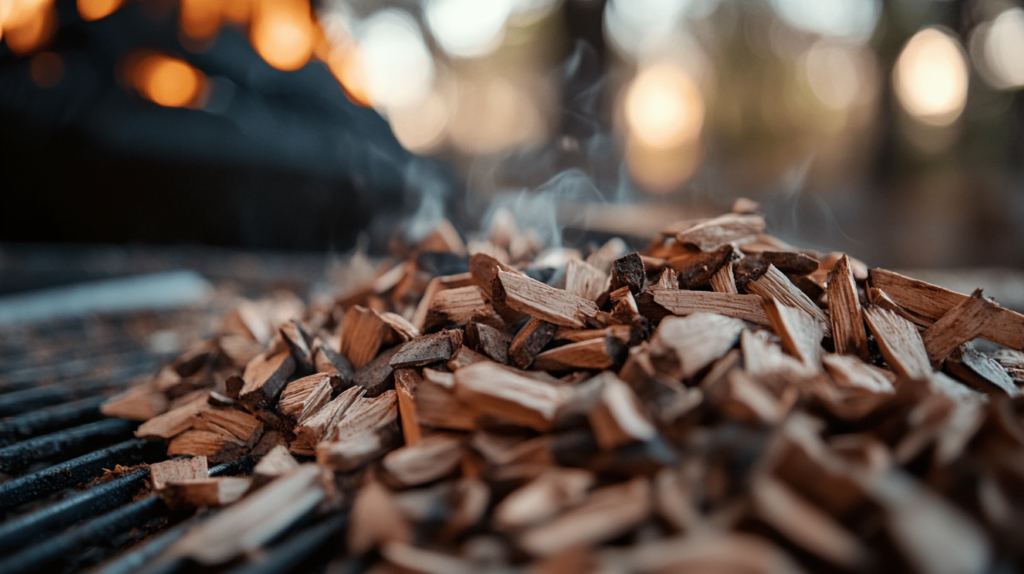
The type of wood you use will seriously impact your smoked beef back ribs recipe. Here are a few good choices:
- Oak: Strong and balanced — a safe go-to.
- Hickory: Bold and hearty — classic beef wood.
- Cherry or apple: Mild and slightly sweet — great for color.
- Mesquite: Super intense — use sparingly.
Mixing woods can also create complex flavors, so don’t be afraid to experiment!
Step-by-Step Smoked Beef Back Ribs Recipe
This is where the magic happens. Follow this smoked beef back ribs recipe step-by-step for foolproof results.
Prepping the Ribs Like a Pitmaster
- Remove the membrane on the bone side — it’s tough and doesn’t render.
- Trim excess fat, but leave a little for flavor.
- Pat dry, then rub with a bit of oil to help the spices stick.
- Apply dry rub generously, covering all sides.
- Let the ribs rest for at least 30 minutes (or refrigerate overnight).
The Smoking Process: Low and Slow Perfection
- Preheat your smoker to 250°F (121°C).
- Add your chosen wood chunks or chips.
- Place ribs bone side down on the grill grates.
- Smoke for 3 hours, then start spritzing every 30 minutes.
- After 4 hours, wrap the ribs in foil or butcher paper and continue smoking for 2 more hours.
- Unwrap and return to smoker for a final 30-60 minutes to firm up the bark.
How to Know When Beef Back Ribs Are Done
You’re looking for an internal temp of 200–205°F and ribs that bend but don’t break. The meat should pull back from the bones and feel tender when poked with a toothpick.
Troubleshooting Your Smoked Beef Back Ribs Recipe
Smoking ribs can feel like a dance with fire — literally. Even seasoned pitmasters run into a few hiccups. Here’s how to troubleshoot common issues with your smoked beef back ribs recipe:
- Dry ribs? You likely overcooked or didn’t spritz enough. Keep a close eye on internal temp and spray every 30–45 minutes.
- Tough texture? You probably needed more time wrapped or didn’t hit that 200°F mark. Let them go longer and check with a toothpick test.
- No bark forming? Either the rub didn’t have enough sugar or the ribs were too wet going in. Pat dry next time and keep your rub balanced.
- Too smoky or bitter? That could be from over-smoking or using resin-heavy woods. Stick with oak, hickory, or cherry and ventilate your smoker well.
Trust the process and remember: even if it’s not perfect, it’ll still be delicious.
Tips for Juicy, Tender Smoked Beef Back Ribs Every Time
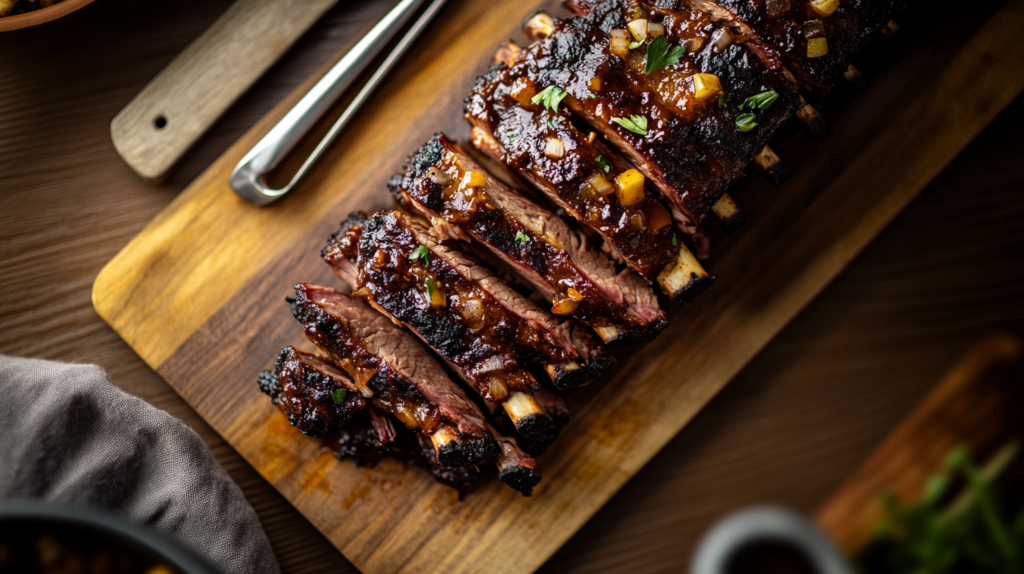
Want to take your smoked beef back ribs recipe from good to legendary? These tips make a massive difference:
- Always remove the membrane. It’s a deal-breaker for tenderness.
- Let the rub rest. Give your ribs at least 30 minutes to soak in the seasoning before smoking.
- Use a water pan. It adds moisture to the smoking chamber and helps prevent dry ribs.
- Wrap at the right time. When the bark is set but not crusty — usually after 3–4 hours.
- Rest before slicing. Give your ribs 20 minutes wrapped in foil after smoking to redistribute juices.
Combine these with quality meat and you’ll have a smoked beef back ribs recipe worth repeating every weekend.
Variations: Make This Smoked Beef Back Ribs Recipe Your Own
One of the best things about this smoked beef back ribs recipe? It’s endlessly customizable.
- Sweet Heat Ribs: Add brown sugar and cayenne to your rub.
- Tex-Mex Twist: Use cumin, smoked paprika, and chili powder for bold southwest flavor.
- Garlic Butter Glazed: Melt garlic butter and brush it over the ribs during the last 30 minutes of cooking.
- Asian-Inspired: Swap your rub for a mix of soy sauce, garlic, ginger, and sesame oil (skip during smoke, brush at the end).
If you love riffs on beef, check out our beef sausage recipes or this incredible beef jerky recipe roundup for snackable options.
What to Serve with Smoked Beef Back Ribs
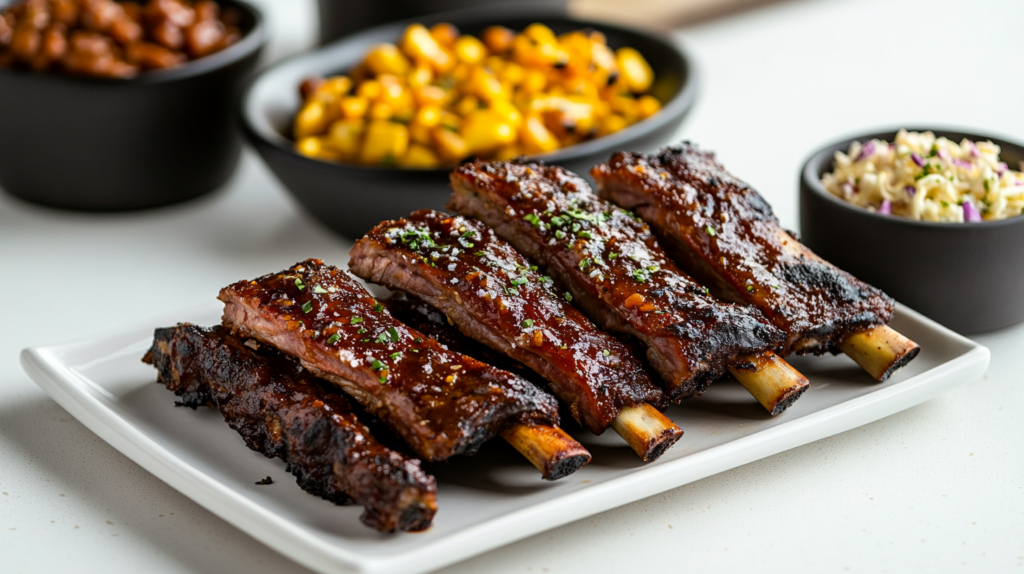
Beef ribs are bold — so they need side dishes that can keep up. Here are my favorite pairings for this smoked beef back ribs recipe:
- Grilled corn on the cob
- Creamy coleslaw (adds cool contrast)
- Smoked mac and cheese
- BBQ baked beans
- Crispy potato wedges
- Pickles or pickled onions (acid cuts the richness)
Want more side dish inspiration? Our no-cook breakfast potluck ideas work surprisingly well as BBQ sides too.
Storage and Reheating Tips
Got leftovers from your smoked beef back ribs recipe? Lucky you — here’s how to store them right:
- Fridge: Wrap tightly in foil or place in an airtight container. Good for up to 4 days.
- Freezer: Wrap in foil, then place in a ziplock bag. Freeze up to 3 months.
Reheating Tips
- Oven: Preheat to 300°F. Wrap ribs in foil and heat for 20 minutes.
- Grill: Use indirect heat and wrap in foil. Heat for 15–20 minutes.
- Avoid microwave unless desperate — it can zap the moisture.
Smoked Beef Back Ribs Recipe
A juicy, smoky, fall-off-the-bone smoked beef back ribs recipe made for BBQ lovers who want results without the fuss.
Prep Time: 20 mins
Cook Time: 6.5 hours
Total Time: 6 hours 50 mins
Servings: 4–6 people
Ingredients
- 1 rack beef back ribs (3–4 lbs)
- 2 tbsp kosher salt
- 1 tbsp black pepper
- 1 tbsp garlic powder
- 1 tbsp onion powder
- 1 tbsp smoked paprika
- 1 tsp ground mustard
- 1 tsp chili powder
- ½ tsp cayenne (optional)
- ½ cup apple cider vinegar or broth (for spritzing)
Instructions
- Remove the membrane from the ribs and trim excess fat.
- Pat ribs dry, rub lightly with oil, and apply dry rub evenly.
- Let the ribs rest at room temperature for 30–60 minutes.
- Preheat smoker to 250°F with your chosen wood.
- Smoke unwrapped for 3–4 hours, spritzing every 30–45 minutes.
- Wrap in foil or butcher paper and smoke for 2 more hours.
- Unwrap and finish for another 30–60 minutes.
- Rest for 20 minutes before slicing and serving.
Equipment
- Smoker or grill
- Meat thermometer
- Spray bottle
- Foil or butcher paper
Notes
Adjust the rub and wood to match your flavor preferences. Don’t skip the resting step!
Frequently Asked Questions About Smoked Beef Back Ribs Recipe
1. How long does it take to smoke beef back ribs at 250°F?
For this smoked beef back ribs recipe, the sweet spot is 6 to 7 hours at 250°F. That includes a few phases: an initial smoke session, wrapping to tenderize, and unwrapping to crisp the bark. Keep a meat thermometer handy to track internal temperature — aim for 200–205°F for that juicy fall-apart texture.
2. Do you need to wrap beef back ribs when smoking?
Yes — and here’s why. Wrapping is a key step in any smoked beef back ribs recipe. It locks in moisture and tenderizes the meat. Foil speeds things up, while butcher paper lets a bit more smoke through. Just remember to unwrap during the final hour to develop that irresistible bark.
3. What’s the best wood for smoking beef back ribs?
The best woods for this smoked beef back ribs recipe are oak and hickory. Both bring strong, balanced flavors that pair beautifully with beef. Want a sweeter or fruitier twist? Try adding cherry or apple wood to mellow things out. Avoid overly sappy woods like pine — they’ll ruin the flavor.
4. Should I remove the membrane from beef back ribs?
Absolutely. The membrane on the bone side is tough and chewy, and it prevents seasoning and smoke from penetrating properly. Every smoked beef back ribs recipe worth its salt includes this step. Use a butter knife and paper towel to grip and pull it off easily.
5. Can I use a gas grill for smoked beef back ribs?
Yes, you can still enjoy this smoked beef back ribs recipe even without a traditional smoker. Set up your gas grill for indirect heat, add a smoker box or foil pouch filled with wood chips, and keep your temperature steady at 250°F. It’s a bit more hands-on, but totally doable!
6. How long does it take to smoke beef back ribs?
On average, this smoked beef back ribs recipe takes 6 to 7 hours to get perfect results. The exact time depends on the size of the ribs and your smoker’s consistency. Use the “bend test” and an internal temp of 200–205°F to know they’re done — not just the clock.
7. Does the 3:2:1 method work for beef ribs?
The classic 3:2:1 method (3 hours smoke, 2 hours wrapped, 1 hour unwrapped) is better suited for pork ribs. For beef ribs, this smoked beef back ribs recipe leans more toward a 3:2:1 style, but you might need to adjust the final unwrapped phase depending on how firm or tender you want your bark.
8. How long does it take to smoke back ribs?
Whether you’re using pork or beef, smoked back ribs generally take 6 hours or more at low temperatures (225–250°F). For beef specifically, this smoked beef back ribs recipe lands in that 6 to 7-hour window for optimal tenderness and bark development.
9. What is the 3:2:1 rule for smoking ribs?
The 3:2:1 rule is a structured method used mainly in pork rib recipes. It breaks down as 3 hours unwrapped smoking, 2 hours wrapped, and 1 hour unwrapped to finish. While it can be adapted slightly for a smoked beef back ribs recipe, beef often needs a bit more time and flexibility, especially for thicker cuts.
Conclusion
There’s just something unforgettable about a well-executed smoked beef back ribs recipe. From the satisfying bark to the smoky tenderness that pulls clean off the bone — this dish hits every savory note. Whether you’re a weekend warrior firing up the grill or experimenting with your first smoker, mastering beef back ribs is a milestone worth celebrating.
We’ve covered everything from selecting the best cut, seasoning with purpose, and using the right wood, to low-and-slow techniques that bring out beef’s deepest flavors. The beauty of this smoked beef back ribs recipe is its adaptability — you can make it spicier, smokier, or sweeter based on your personal taste.
If you’re craving more meaty magic, don’t miss out on our beef sausage meat guide or this ultimate smoked beef brisket technique. And for even more BBQ bliss, bookmark our 15 smoked beef recipes collection.
Happy smoking, and keep those ribs juicy!