

The Saturday That Changed My Biscuit Life
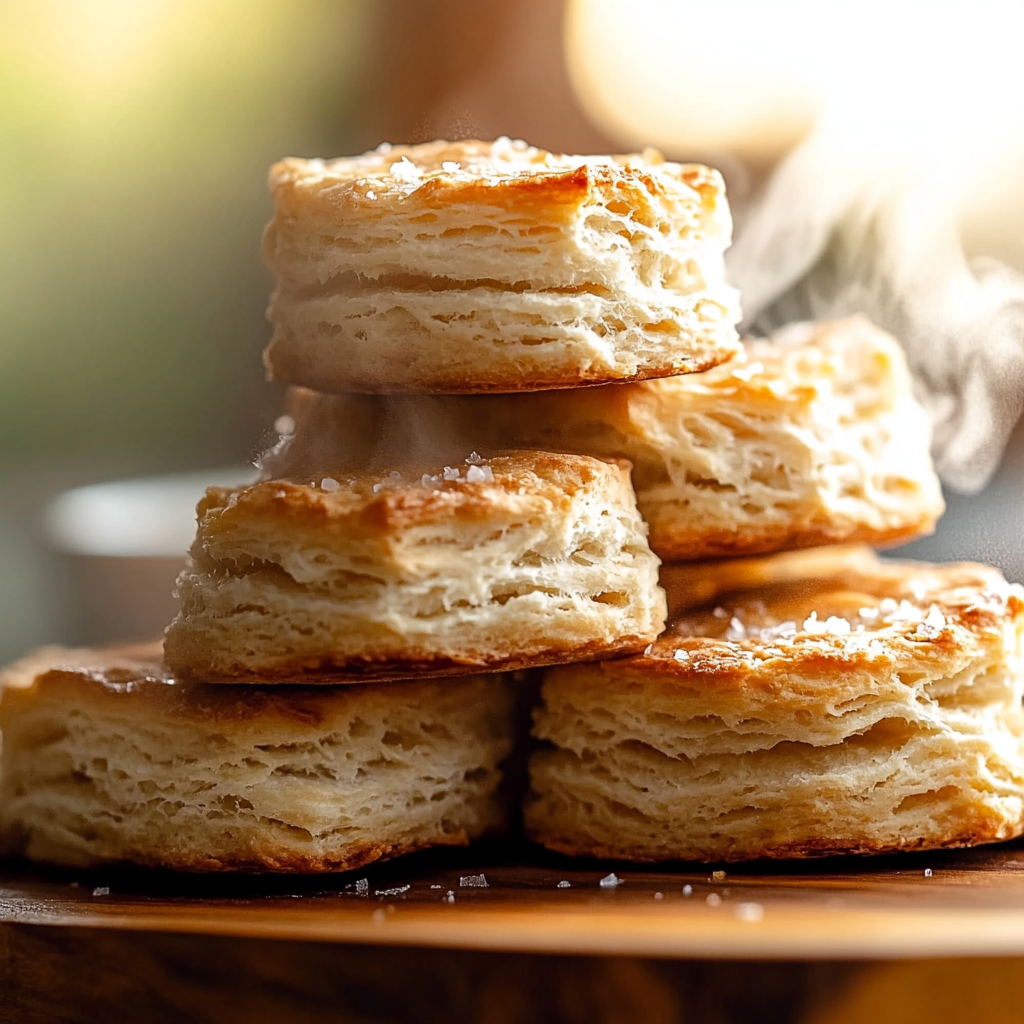
I was twelve when I bit into my first Bojangles biscuit. It was on the way to a flea market with my aunt, who swore their sausage biscuit could cure heartbreak or hangovers — whichever came first. She handed it to me like it was sacred. I remember the way the edges flaked apart with the lightest nudge, how the steam made my glasses fog up, and that buttery saltiness that seemed to hug my tastebuds for hours. I didn’t even know what Bojangles was before that bite. But after? It became a flavor memory I chased for years.
Back home, I searched everywhere for a Bojangles biscuit recipe. At first, I didn’t even know what I was looking for. I tried self-rising flour. I overmixed. I underbaked. I even resorted to canned dough once, which felt like a personal betrayal. You ever taste defeat in biscuit form? I have.
That all changed one Saturday when I finally cracked the code. And let me tell you — it wasn’t from some secret chef’s whisper. It came from trial, error, and a butter grater I didn’t know I needed. I was elbow-deep in dough, muttering to myself about hydration percentages (who even am I?), when it happened — the layers puffed up. The smell? Right. The bite? Even better.
So why this Bojangles biscuit recipe? Because it’s the kind that makes you close your eyes after the first bite. It’s warm comfort, layered nostalgia, and just messy enough to feel homemade. It’s not just about nailing the structure — it’s about recreating that moment. You know the one. Grease-stained napkin, car seat crumbs, and all.
What Makes Bojangles Biscuits So Addictive?
Let’s get real — if you’ve ever had a real Bojangles biscuit, you know it’s not just a biscuit. It’s a flaky, salty, buttery miracle with attitude. Not too sweet, never too bland, and definitely not dry. That golden, craggy top practically begs you to tear it open with your hands.
Most biscuits go soft or dense the minute they cool. But Bojangles? Their biscuits hold on to that edge — that subtle crunch when warm, followed by the pillowy inside that somehow stays soft for hours. The kind you want to recreate on a rainy weekend morning — which is exactly why this Bojangles biscuit recipe exists in my kitchen rotation.
Craving something hearty with those biscuits? Try them with these smoked beef back ribs or this soul-hugging Hawaiian beef stew. Trust me — it’s worth the extra napkins.
My First Biscuit Fail (And What It Taught Me)
Let me set the scene: I was standing barefoot in my mom’s kitchen, armed with a printed-out Bojangles biscuit recipe from some random forum. I’d convinced myself I was about to unlock Southern magic with a mixing bowl and a dream. Spoiler alert — I wasn’t.
I used all-purpose flour, baking powder that was probably expired, and melted butter because I thought, “Eh, same thing, right?” It wasn’t. The dough came out like paste, and the final biscuits looked like pale hockey pucks with the emotional density of wet drywall.
And still — I ate two. Out of spite. And maybe a little hope.
That fail didn’t just crush my confidence — it made me doubt the whole Bojangles biscuit recipe chase. Maybe it was a fast-food illusion. Maybe their biscuits couldn’t be replicated at home. Maybe I wasn’t meant to bake. You know that voice?
But biscuits — like life — are weirdly forgiving if you show up again. That second attempt? Still bad. But fluffier. The third? Closer. I started learning the tiny things that matter: how cold your butter is, how little your hands should touch the dough, and how a preheated oven can make or break the rise. That’s when I realized — this wasn’t just about food. It was about learning to mess up and still keep baking.
Now, here’s a hot take: no one tells you how personal biscuit-making is. You think a Bojangles biscuit recipe is just about flour and fat? Nah. It’s rhythm. Feel. It’s remembering to breathe when the dough fights back.
And I learned to stop chasing perfection. I wanted that flavor, yes — but I also wanted to feel like the kitchen wasn’t judging me. That’s what this Bojangles biscuit recipe gives me now. A way to remember those messy beginnings — but with butter flakes and golden tops instead of emotional trauma.
Speaking of flaky golden things, biscuits make a killer foundation for loaded brunch spreads. If you’re thinking meatier mains, they pair ridiculously well with this beef chuck riblets recipe — juicy, smoky, and unapologetically rich. Basically, a biscuit’s best friend.
So yeah, the first round was a bust. But it also cracked something open. Not just the layers — but the joy in the trying. That’s why I’ll never delete the photo of that first fail. Because it’s part of the story this Bojangles biscuit recipe now tells.
Cracking the Code: Reverse-Engineering That Flaky Layer
You ever obsess over something totally unnecessary? Like watching a biscuit peel apart into layers like it’s shedding its secrets? That was me. Fully deep-diving into biscuit anatomy like a weird, flour-covered detective. I didn’t want a biscuit. I wanted the biscuit — the one from the drive-thru that haunted my dreams. So I dissected the Bojangles biscuit recipe rumor mill.
First theory I tested? Buttermilk. Not milk, not cream — it had to be buttermilk. Tangy and acidic, it reacts with baking soda like a little science fair in your oven. That’s part one of the Bojangles biscuit recipe magic. But here’s where it got weird: I chilled every single ingredient. Even the flour. Even the mixing bowl.
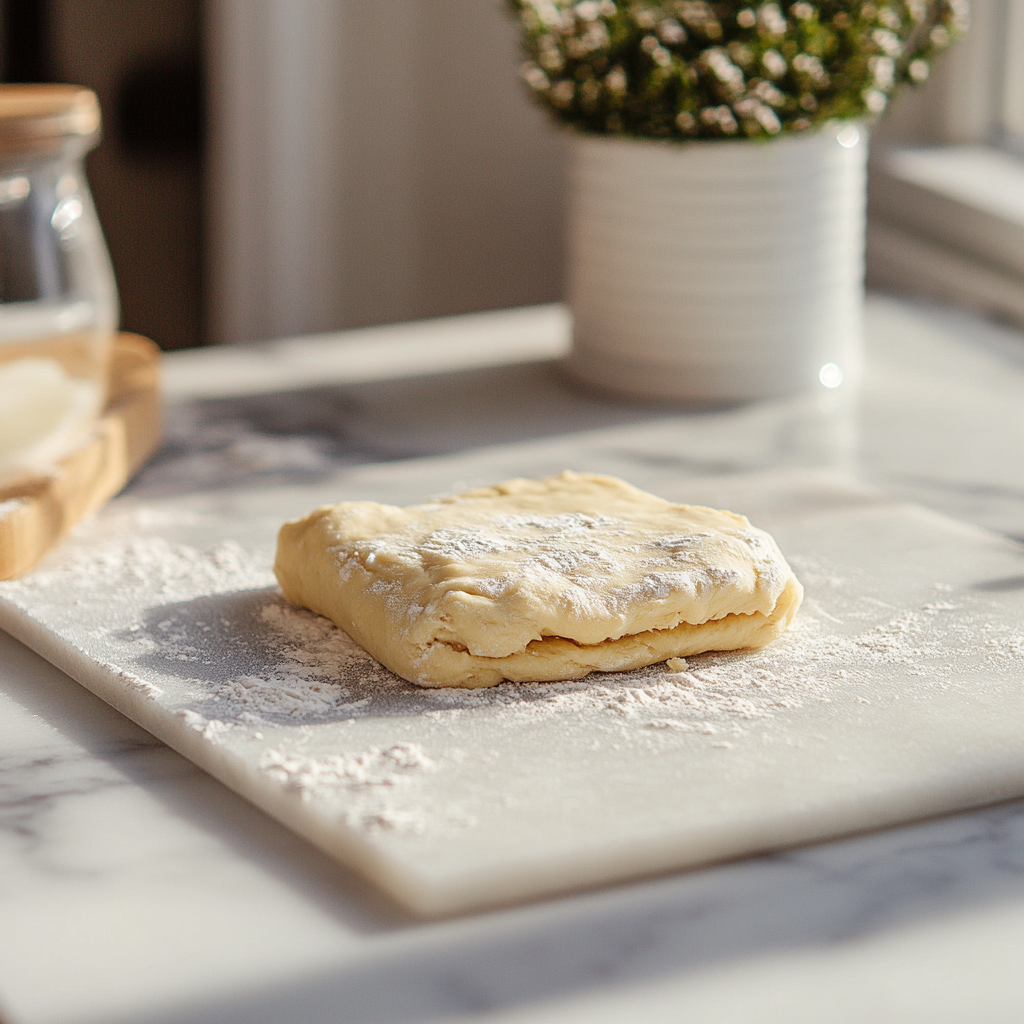
Then came the layering epiphany. I didn’t just mix and drop dough blobs. I folded the dough like puff pastry. Stack, turn, press. Again. Again. Not perfect folds — we’re not making croissants here. Just enough to build tiny pockets where butter could explode into steam and do its flaky thing.
Here’s a twist no one told me about: resting the dough. I don’t mean proofing it like bread. I mean letting it chill in the freezer for 10–15 minutes before baking. That little pause? Game-changer. Suddenly, the biscuits rose tall, held their structure, and developed those dramatic, crackly sides that make people think you’ve trained in biscuit school.
By my fifth batch, I was dancing in my socks while pulling trays out of the oven. The smell? Absolute Southern comfort. And when I finally nailed the golden sheen on top — brushed with a thin layer of melted butter after baking — I knew the Bojangles biscuit recipe was mine. Or at least as close as a home cook with a grudge and a box grater could get.
And yeah, I took notes. I scribbled butter measurements on envelopes. Measured flour on a kitchen scale I found in a thrift store. This wasn’t fancy chef stuff. It was persistence, hunger, and just enough spite to power through flat biscuits.
Let’s be real — I didn’t reinvent the wheel. But I did figure out how to make it flakier. And every time I pull these biscuits from the oven now, it feels like a tiny personal win.
If you’re going big with dinner tonight, these also make an epic base for something bold like a beef suet-infused gravy — rich, deep, and built to cling to biscuit layers like they’re soulmates.
Let’s Talk About Buttermilk
If there’s a single character in this Bojangles biscuit recipe story that deserves a solo, it’s buttermilk. I know — it’s tangy, weird-smelling, and has a slightly judgmental vibe in the fridge. But listen: buttermilk is everything when it comes to that flaky, tender crumb we’re chasing.
I used to skip it. I thought a splash of milk with lemon juice was close enough. It’s not. Real buttermilk is thicker, funkier, and more acidic — and that acidity? That’s what makes your baking soda do something. When you’re trying to get those tall, craggy sides that Bojangles biscuits flaunt like it’s nothing, that reaction is what lifts the dough and tenderizes it at the same time.
Buttermilk also brings flavor. Not in-your-face flavor. More like… quiet richness. Like it knows it’s the boss and doesn’t have to shout. The tang balances out the fat, especially in a Bojangles biscuit recipe that uses real butter or shortening (we’ll argue that in a sec). Without buttermilk, you’re left with flat-tasting flour bombs. With it? Magic. That deep, slightly salty interior with just enough bounce to keep you going back for another bite.
And here’s something I learned the stubborn way: don’t overdo it. A little too much buttermilk and the dough gets wet, sticky, and impossible to handle. You start adding flour, and poof — you’ve killed the texture. The right balance gives you shaggy, not soggy.
I like mine chilled — fridge-cold. Some folks freeze it in cubes and blitz it with flour for even cooler dough. That’s not me. I’m more of a pour-it-straight-from-the-carton cook. Imperfect. Relatable. Possibly in pajamas.
You know what’s wild? The more I baked, the more I realized the Bojangles biscuit recipe doesn’t work without this one ingredient. You can swap fats. You can change your flour game. But buttermilk? Non-negotiable. It’s the soul of the biscuit.
While we’re on soulful stuff — if you’ve got leftovers and want to build a breakfast sandwich worth remembering, try slicing one open and stuffing it with these chicken chop cutlets. Crispy on the outside, juicy inside, and ridiculously good under biscuit layers.
So yeah, next time you’re tempted to sub the real stuff — don’t. Your biscuits (and probably your ancestors) deserve better.
Flour Matters (Yes, It Really Does)
Here’s a confession: I didn’t think flour mattered. For years, I just grabbed whatever bag was on sale and hoped for the best. Big mistake. Turns out, in a Bojangles biscuit recipe, flour isn’t just background noise — it’s the freaking foundation. And if you mess it up? Yeah, everything collapses like a bad reality show twist.
Self-rising flour is the classic go-to. I ignored that fact for too long, thinking I could just DIY it with all-purpose, baking powder, and salt. Which… technically works, but never felt quite right. The texture was off. The crumb too dense. It was like dressing up a cat and pretending it’s a dog — the illusion doesn’t hold.
The beauty of self-rising flour in this Bojangles biscuit recipe is its consistency. It’s got just the right protein content to keep your biscuits tender but not crumbly. Too much protein (think bread flour) and you’re building hockey pucks. Too little (cake flour), and you’ve got soggy sadness. This flour? It’s the Goldilocks zone.
Want to level it up? Sift it. Yeah, I know. It feels unnecessary. But trust me — sifting adds air, and air is what gives you lift. And when you’re folding your dough into layers, that tiny bit of extra lift turns into big, beautiful flake stacks. Science? Sort of. Magic? Also yes.
One more thing: measure by weight if you can. A cup of flour can vary wildly depending on how you scoop. If you’re serious about locking in your Bojangles biscuit recipe, grab a cheap kitchen scale. Your future biscuits will thank you.
I get it — flour isn’t sexy. It doesn’t sizzle or drip or sparkle on Instagram. But it holds everything together. Literally. It’s the quiet partner that doesn’t ask for credit, but makes you look good every single time.
And speaking of looking good — if you’re trying to impress at brunch, serve these biscuits with a side of chicken bow tie pasta. The soft carb-on-carb action? Underrated. Delicious. Weirdly perfect.
So yeah, flour matters. Way more than I ever wanted to admit. And now I treat that dusty white bag with a little more respect. Because without it, there is no Bojangles biscuit recipe — and that, my friend, is not a world I want to live in.
Step-By-Step Bojangles Biscuit Recipe (Finally!)
This is the Bojangles biscuit recipe I reach for when I want buttery layers and soft centers without the drive-thru line. It’s not an exact clone — it’s better, because it’s yours. Slightly imperfect. Hug-your-soul good. And honestly? That’s the goal.
Recipe: Bojangles Biscuit Copycat (Flaky & Buttery)
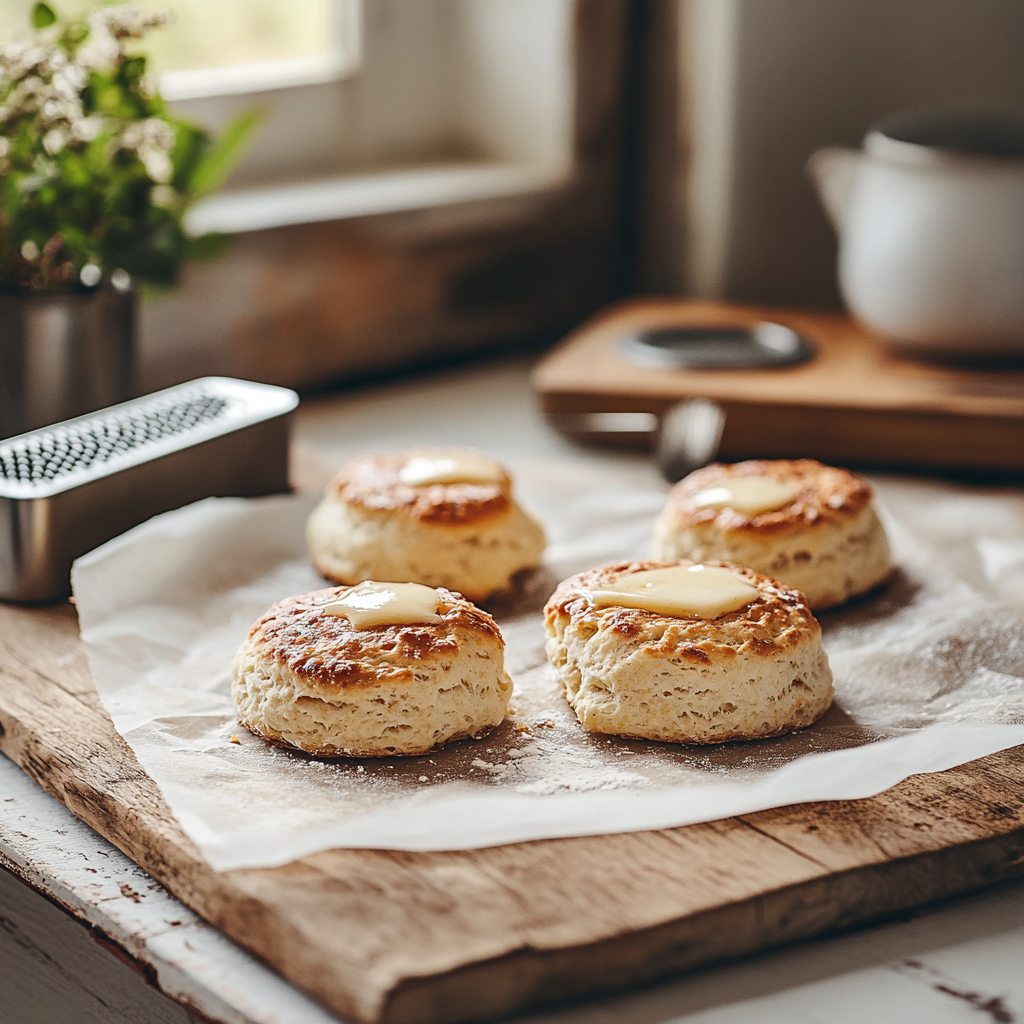
A homemade take on the iconic biscuit — tall, flaky, and full of that Southern flavor we dream about. Best served warm, with butter melting into every craggy crevice.
Prep Time: 15 minutes
Cook Time: 14–16 minutes
Total Time: 30 minutes
Servings: 8–10 biscuits
Ingredients
- 2 cups self-rising flour (White Lily recommended, if available)
- 1/2 cup (1 stick) unsalted butter, frozen and grated
- 3/4 to 1 cup full-fat buttermilk, cold
- 1/2 teaspoon salt (optional if using salted butter)
- Extra melted butter for brushing
Instructions
- Preheat your oven to 450°F. Line a baking sheet with parchment.
- Freeze your grated butter for at least 5 minutes while prepping other ingredients.
- In a large bowl, whisk together flour and salt (if using).
- Add frozen grated butter to flour. Gently toss to coat — don’t overmix.
- Pour in cold buttermilk, starting with 3/4 cup. Stir gently until dough comes together. Add more buttermilk only if dough feels dry.
- Turn dough onto floured surface. Pat into a rectangle. Fold in thirds like a letter. Rotate 90 degrees and repeat once more.
- Pat to 1-inch thickness. Use a floured biscuit cutter or glass to cut biscuits. Don’t twist!
- Place biscuits on baking sheet, just barely touching for soft sides.
- Bake for 14–16 minutes, until tops are golden brown.
- Brush with melted butter right out of the oven.
Equipment
- Box grater
- Pastry brush
- Biscuit cutter or drinking glass
- Baking sheet and parchment
Notes
- Self-rising flour is key. Don’t substitute without adjusting leavening.
- Want a crispier top? Brush biscuits before baking as well.
- Can’t find buttermilk? 1 cup milk + 1 tablespoon vinegar is passable, but not perfect.
- Freeze leftover biscuits, then reheat in a toaster oven to bring back that fresh-baked feel.
Variations
- Add shredded cheddar and chives to make cheddar biscuits.
- Swap half the butter for beef suet for a deeper flavor (see this suet guide).
- Brush with honey butter for a sweeter finish.
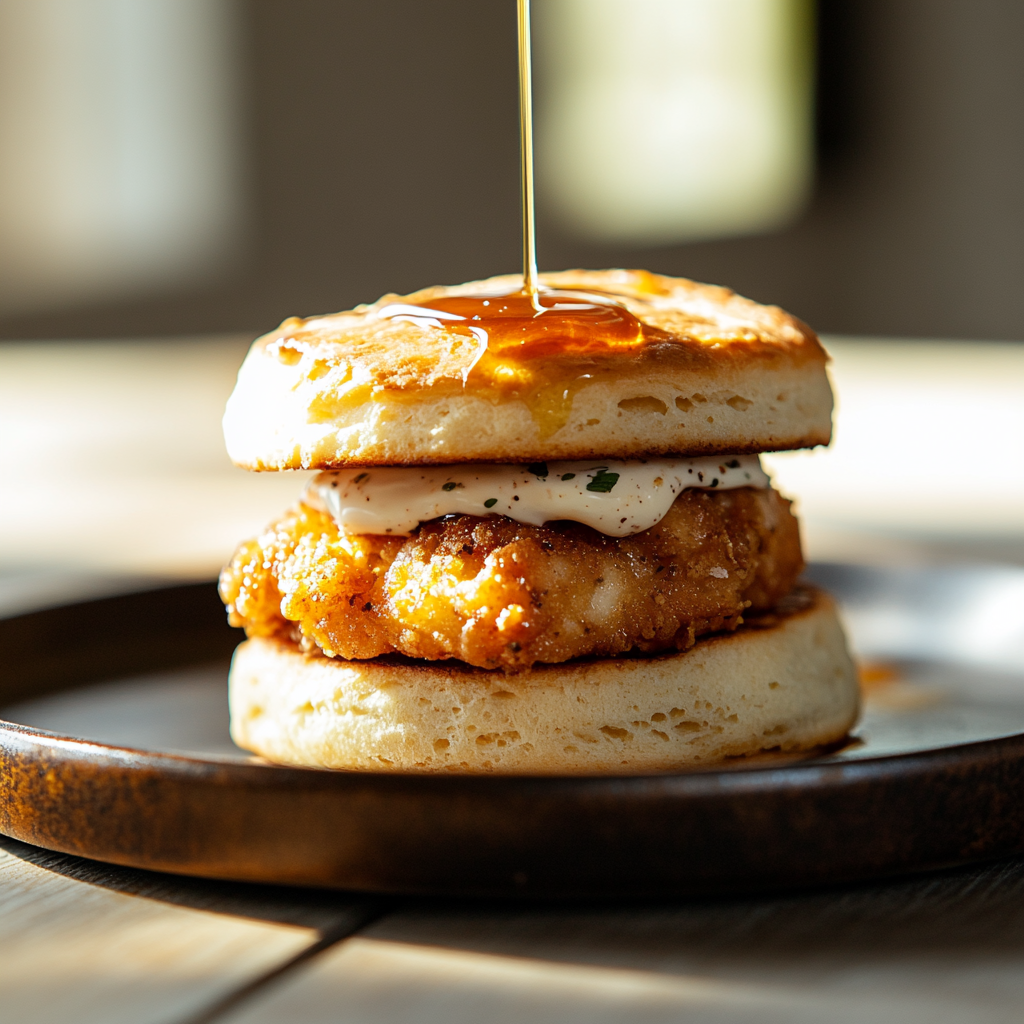
- Turn into breakfast sandwiches with grilled chicken or chicken minis).
Storage Tips
- Store cooled biscuits in an airtight container at room temperature for up to 2 days.
- For longer storage, freeze individually wrapped biscuits for up to 2 months.
- Reheat in oven or toaster oven at 325°F until warmed through.
Frequently Asked Questions
Can I use all-purpose flour instead of self-rising flour in the Bojangles biscuit recipe?
Yes, you can substitute all-purpose flour for self-rising flour, but you’ll need to make adjustments. For every cup of self-rising flour, use one cup of all-purpose flour plus 1½ teaspoons of baking powder and ¼ teaspoon of salt. This ensures your biscuits will rise properly and have the right flavor.
Why is buttermilk preferred over regular milk in this recipe?
Buttermilk’s acidity reacts with the baking powder, producing carbon dioxide gas that helps the biscuits rise and become fluffy. Additionally, buttermilk imparts a subtle tangy flavor and tender texture that regular milk can’t replicate.
How can I ensure my biscuits have flaky layers?
To achieve flaky layers, handle the dough gently and minimally. Incorporate cold butter into the flour until it resembles small peas, then fold the dough over itself a few times before rolling it out. This folding creates distinct layers that puff up during baking.
Is it necessary to chill the dough before baking?
Yes, chilling the dough helps solidify the fat (butter or shortening), which contributes to the flakiness of the biscuits. Cold fat creates steam pockets during baking, leading to a better rise and layered texture.
Can I prepare the biscuit dough in advance?
It’s best to bake the biscuits immediately after preparing the dough for optimal rise and texture. However, you can freeze unbaked, cut biscuits on a baking sheet, then transfer them to a freezer bag. Bake from frozen, adding a few extra minutes to the baking time.
How do I store leftover baked biscuits?
Store cooled biscuits in an airtight container at room temperature for up to two days. For longer storage, wrap them individually and freeze for up to two months. Reheat in a 325°F oven until warmed through to restore their original texture.
What can I serve with Bojangles-style biscuits?
These biscuits pair wonderfully with various fillings and sides. Consider serving them with fried chicken, sausage gravy, or simply with butter and honey. They also make excellent breakfast sandwiches with eggs and cheese.
What is the secret to Bojangles biscuits?
The magic lies in their layering technique and the chill factor. Bojangles uses cold fat (usually shortening or butter) and folds the dough to create steam pockets, which lead to those signature flaky layers. The real secret? Minimal handling and high-heat baking that makes the biscuits puff dramatically and hold their shape.
What kind of flour do Bojangles use?
Bojangles is rumored to use soft winter wheat flour, which has a lower protein content. This helps produce tender biscuits that are light, not chewy. For home cooks trying to replicate the Bojangles biscuit recipe, self-rising flour like White Lily is the gold standard — it mimics that soft Southern texture perfectly.
What is Bojangles sausage biscuit made of?
The original features their classic buttermilk biscuit, split and filled with a seasoned pork sausage patty. For a pork-free twist, you can use a chicken sausage or even a plant-based option between two homemade biscuits using the Bojangles biscuit recipe. The rich, buttery layers still steal the show.
Are Bojangles biscuits good?
Yes — and dangerously so. Bojangles biscuits are beloved for their slightly crisp tops, flaky interiors, and buttery, salty balance. They’re the kind of biscuit that doesn’t need jam, gravy, or filler to be satisfying. And when you make them at home using a solid Bojangles biscuit recipe, they’re even better — because they come with pride (and seconds).
Conclusion: From Drive-Thru Cravings to Dough-Covered Confidence
I didn’t grow up making biscuits. I grew up eating them in the backseat of a car, balancing foil-wrapped wonders on my knees. But somewhere between those childhood breakfasts and my adult kitchen failures, I learned how to chase flavor — and more importantly, how to trust my own hands.
This Bojangles biscuit recipe isn’t perfect because it’s a copycat. It’s perfect because it’s real. It came from burned bottoms, flour-dusted counters, and the quiet joy of watching steam rise from a golden, buttery top.
So whether you’re whipping up a batch for brunch, building a sandwich worthy of applause, or just need a win in the middle of a rough week — these biscuits are here for you. Messy, flaky, comforting, and undeniably worth it.
Make them once. Then make them again better. That’s the magic.